Huang Lian
Huang Lian is a prominent herb in Traditional Chinese Medicine (TCM), recognized for its potent properties and diverse applications. This article explores its botanical characteristics, historical uses, and important safety considerations.
Key Takeaways
- Huang Lian is derived from the rhizome of several Coptis species, primarily Coptis chinensis, and is known for its bitter taste.
- In Traditional Chinese Medicine, it is highly valued for its ability to clear heat, dry dampness, and detoxify the body.
- Its traditional uses include addressing gastrointestinal issues, inflammatory conditions, and supporting metabolic health.
- Potential side effects may include gastrointestinal upset, and it should be used with caution, especially during pregnancy or in individuals with specific health conditions.
- Always consult a qualified healthcare professional before using Huang Lian, particularly if taking other medications, to ensure safe and appropriate use.
What is Huang Lian: Plant Identification and Characteristics
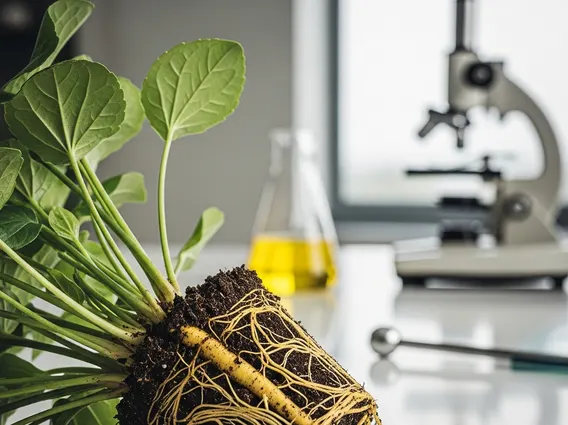
Huang Lian refers to the dried rhizome of several plant species belonging to the genus Coptis, most notably Coptis chinensis, but also including Coptis teeta and Coptis japonica. This perennial herb is native to mountainous regions of China, India, and other parts of East Asia, typically thriving in damp, shady environments. The plant features small, yellow flowers and deeply lobed or compound leaves.
The medicinally significant part of Huang Lian is its rhizome—a horizontal underground stem. These rhizomes are often gnarled, yellowish-brown on the exterior, and distinctly bright yellow internally. This vibrant yellow color is due to the high concentration of isoquinoline alkaloids, primarily berberine, which is responsible for the herb’s characteristic bitter taste and many of its pharmacological actions. Accurate Huang Lian plant identification and uses are crucial in TCM to ensure the correct species is harvested and prepared, thereby achieving the intended therapeutic effects.
Traditional Chinese Medicine Uses and Benefits of Huang Lian
In Traditional Chinese Medicine (TCM), Huang Lian is classified as a “clear heat and dry dampness” herb, recognized for its intensely bitter taste and cold energetic nature. Its primary actions are to clear heat, dry dampness, purge fire, and detoxify. The herb is frequently employed to address conditions characterized by “damp-heat” patterns, which can manifest in various organ systems throughout the body.
The Huang Lian traditional Chinese medicine benefits are extensive, making it a versatile herb in clinical practice. It is commonly utilized for:
- Gastrointestinal Support: Addressing conditions such as acute gastroenteritis, diarrhea, and dysentery, which are often attributed to damp-heat accumulation in the digestive system. Berberine, a key component, has demonstrated antimicrobial properties against various pathogens, including bacteria and protozoa, supporting its traditional use.
- Anti-inflammatory Effects: Used to alleviate inflammation, particularly in conditions affecting the skin, eyes, or mucous membranes, such as conjunctivitis or certain skin eruptions.
- Metabolic Health: Emerging research suggests potential benefits in supporting metabolic function, including effects on lipid metabolism and blood glucose regulation, making it a subject of interest for conditions like type 2 diabetes.
Historically, TCM practitioners have relied on Huang Lian to treat a wide array of ailments, leveraging its potent properties to restore balance within the body according to TCM principles. It is often combined with other herbs to enhance its effects or mitigate potential side effects.
Huang Lian Side Effects and Precautions
While Huang Lian offers significant therapeutic potential, it is important to be aware of its potential Huang Lian side effects and precautions. Due to its cold and bitter nature, prolonged or excessive use can lead to adverse reactions, particularly affecting the digestive system. Common side effects may include:
- Nausea
- Vomiting
- Abdominal pain or discomfort
- Diarrhea (if used inappropriately or in excess)
Individuals with “cold” or “deficient” constitutions, characterized by symptoms like cold limbs, pale complexion, or chronic digestive weakness, should use Huang Lian with extreme caution or avoid it altogether, as its cold nature could exacerbate these conditions. Pregnant or breastfeeding women are generally advised against using Huang Lian due to insufficient safety data and the potential for adverse effects on the fetus or infant. Similarly, individuals with liver disease or those taking medications that affect liver enzymes should exercise caution, as Huang Lian may interact with certain drugs, including anticoagulants, antidiabetics, and blood pressure medications.
It is crucial to consult a qualified healthcare professional or a licensed TCM practitioner before incorporating Huang Lian into any health regimen, especially if you have pre-existing medical conditions or are taking other medications. They can provide personalized guidance on appropriate dosage and duration of use, ensuring safe and effective application.
Disclaimer: The information provided in this article is for educational purposes only and is not intended as medical advice. Always consult with a qualified healthcare professional before making any decisions about your health or treatment. This information does not replace professional medical advice, diagnosis, or treatment.