HU1418 Interleukin 2 Fusion Protein
HU1418 Interleukin 2 Fusion Protein represents a novel approach in therapeutic development, particularly within oncology. This engineered protein aims to harness the body’s immune system to combat various diseases.

Key Takeaways
- HU1418 Interleukin 2 Fusion Protein is a specially designed protein combining Interleukin-2 with another component.
- It is being investigated for its potential to modulate immune responses, primarily in cancer treatment.
- The mechanism involves targeted delivery of IL-2 to specific cells, enhancing anti-tumor immunity.
- Current research focuses on its efficacy, safety, and optimal application in clinical settings.
What is HU1418 Interleukin 2 (IL-2) Fusion Protein?
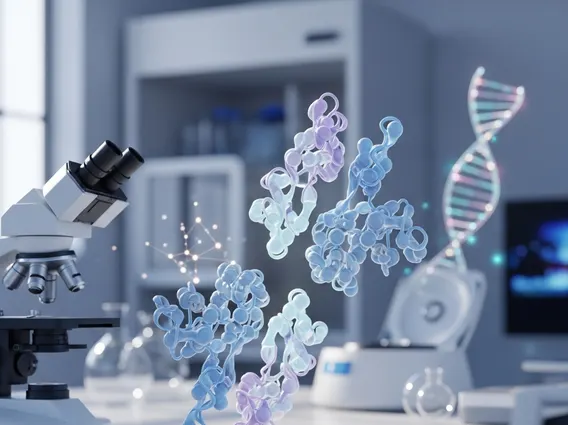
HU1418 Interleukin 2 fusion protein is a sophisticated biological construct designed to enhance specific immune responses. It combines the potent immune-stimulating cytokine, Interleukin-2 (IL-2), with another protein component, often an antibody fragment or a targeting moiety. This fusion aims to direct the therapeutic effects of IL-2 more precisely to target cells or tissues, thereby reducing systemic toxicity often associated with conventional IL-2 therapies while maximizing its therapeutic impact. The design of HU1418 allows for a more controlled activation of immune cells, particularly T-cells and natural killer (NK) cells, which are crucial in recognizing and eliminating diseased cells.
This innovative protein is developed to overcome limitations of traditional cytokine administration. By fusing IL-2 to a carrier, the goal is to improve its pharmacokinetic profile, enhance its stability, and guide it to specific sites within the body where its immune-modulating effects are most needed. This targeted delivery is particularly relevant in oncology, where precise immune activation against tumor cells is desired without causing widespread inflammation or autoimmune reactions in healthy tissues. Understanding HU1418 IL-2 fusion protein involves recognizing its dual nature: a potent immune stimulator combined with a precise delivery system.
Mechanism of Action for HU1418 Interleukin 2 Fusion Protein
The HU1418 fusion protein mechanism of action centers on the targeted delivery and activation of Interleukin-2’s biological functions. Interleukin-2 is a cytokine that plays a critical role in the proliferation, differentiation, and survival of T lymphocytes, particularly cytotoxic T cells, and natural killer cells. In its fused form, HU1418 is engineered to bind specifically to receptors or antigens present on target cells, such as those found on tumor cells or in the tumor microenvironment. This targeted binding ensures that the IL-2 component is concentrated at the desired site, leading to localized immune cell activation.
Once delivered, the IL-2 component of the fusion protein binds to IL-2 receptors on nearby immune cells. This binding triggers a cascade of intracellular signaling pathways that promote the expansion and activation of effector immune cells, including CD8+ T cells and NK cells. These activated cells are then better equipped to identify and destroy cancerous cells. The precise targeting aims to:
- Increase the local concentration of IL-2 at the disease site.
- Reduce systemic exposure to IL-2, mitigating common side effects like vascular leak syndrome.
- Enhance the anti-tumor immune response by selectively activating immune cells where they are most needed.
This mechanism seeks to optimize the therapeutic window of IL-2, making it a more effective and safer treatment option.
Current Research on HU1418 Interleukin 2 Fusion Protein
Interleukin 2 fusion protein research involving HU1418 is actively exploring its potential in various clinical applications, primarily within oncology. Preclinical studies have demonstrated promising results, showing enhanced anti-tumor activity and improved safety profiles compared to recombinant IL-2 alone. These studies often focus on solid tumors, where the targeted delivery mechanism could offer significant advantages. Researchers are investigating different tumor types and combinations with other immunotherapies or conventional treatments to maximize efficacy.
Clinical trials are underway to evaluate the safety, tolerability, and preliminary efficacy of HU1418 Interleukin 2 Fusion Protein in human patients. These trials typically involve dose-escalation phases to determine the optimal therapeutic dose and subsequent expansion cohorts to assess its activity in specific cancer indications. For instance, early-phase trials might focus on patients with advanced melanoma or renal cell carcinoma, conditions where IL-2 has shown some efficacy previously. The goal is to gather robust data that supports its potential as a novel immunotherapeutic agent. The ongoing research also includes optimizing the design of fusion proteins, exploring different targeting moieties, and understanding the long-term immunological effects to ensure sustained anti-tumor responses.