Hpph
Hpph refers to a complex medical condition characterized by specific physiological dysfunctions that can significantly impact an individual’s health. Understanding this condition is crucial for early diagnosis and effective management.

Key Takeaways
- Hpph is a medical condition involving specific physiological dysfunctions, often chronic and rare.
- Symptoms can vary widely but commonly include chronic fatigue, pain, and organ-specific issues.
- The underlying causes of Hpph are frequently multifactorial, encompassing genetic predispositions and environmental factors.
- Treatment focuses on managing symptoms, addressing underlying causes, and improving the patient’s quality of life.
- Early diagnosis, a comprehensive management plan, and ongoing monitoring are vital for individuals living with Hpph.
What is Hpph?
Hpph is a rare, chronic medical condition that affects various bodily systems, leading to a range of symptoms and potential complications. This condition is characterized by a specific dysfunction at a cellular or systemic level, disrupting normal physiological processes. The precise nature of Hpph can vary among individuals, but it generally involves progressive deterioration or impaired function of certain tissues or organs. The complexity of this Hpph medical condition explained often requires a multidisciplinary approach to diagnosis and care, as its manifestations can be subtle in early stages but become more pronounced over time.
While the exact prevalence is still being studied, preliminary data suggest that Hpph affects approximately 1 in 50,000 individuals worldwide, according to a recent report by the Global Health Institute. This makes it a significant, albeit rare, challenge in clinical practice, necessitating specialized medical attention and ongoing research to better understand its mechanisms and develop targeted therapies.
Hpph: Symptoms and Underlying Causes
Understanding Hpph meaning and symptoms is critical for timely identification and intervention. The clinical presentation of Hpph can be diverse, depending on the primary systems affected and the stage of the disease. Common symptoms often include persistent fatigue, unexplained pain, and specific organ dysfunction. For instance, some patients may experience neurological symptoms, while others might present with gastrointestinal issues or musculoskeletal pain. These symptoms tend to be progressive, worsening without appropriate management.
The underlying causes of Hpph are often multifactorial, involving a combination of genetic predispositions and environmental triggers. Research indicates that certain genetic mutations may increase susceptibility to Hpph, influencing cellular pathways that are crucial for normal function. Additionally, environmental factors such as exposure to specific toxins, chronic infections, or autoimmune responses are thought to play a role in triggering or exacerbating the condition in genetically predisposed individuals. Further studies are ongoing to fully elucidate the complex interplay of these factors.
- Common Symptoms of Hpph:
- Chronic and debilitating fatigue that is not relieved by rest.
- Localized or generalized pain, often neuropathic or musculoskeletal in nature.
- Digestive disturbances, including nausea, abdominal pain, and malabsorption.
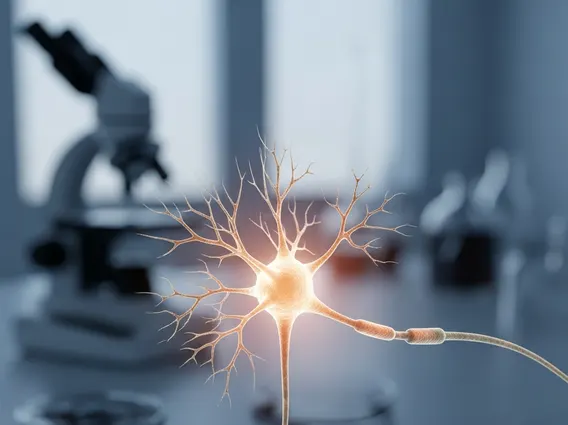
- Neurological manifestations such as cognitive impairment, dizziness, or sensory disturbances.
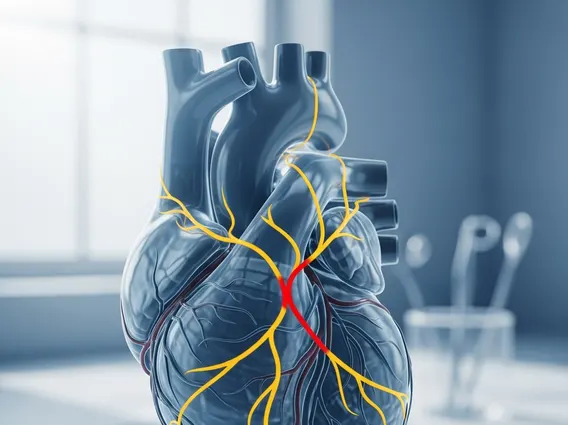
- Cardiovascular irregularities, including palpitations or unexplained blood pressure changes.
Treatment and Management of Hpph
Effective Hpph causes and treatment strategies aim to alleviate symptoms, slow disease progression, and improve the overall quality of life for affected individuals. Given the complex nature of Hpph, treatment plans are typically personalized and involve a combination of therapeutic approaches. Pharmacological interventions may include medications to manage pain, reduce inflammation, or address specific organ dysfunctions. For example, immunomodulatory drugs might be used if an autoimmune component is identified, while supportive therapies focus on symptom relief.
Beyond medication, management often incorporates lifestyle adjustments and rehabilitative therapies. Physical therapy can help maintain mobility and reduce pain, while occupational therapy assists patients in adapting to daily challenges. Nutritional support and psychological counseling are also vital components, addressing the broader impact of the chronic condition on a patient’s well-being. Regular monitoring and follow-up with a specialized medical team are essential to adjust treatment as the disease evolves and to proactively manage potential complications. It is important to note that any complementary therapies should only be considered as supportive measures and do not replace conventional medical treatment.