Hot Nodule
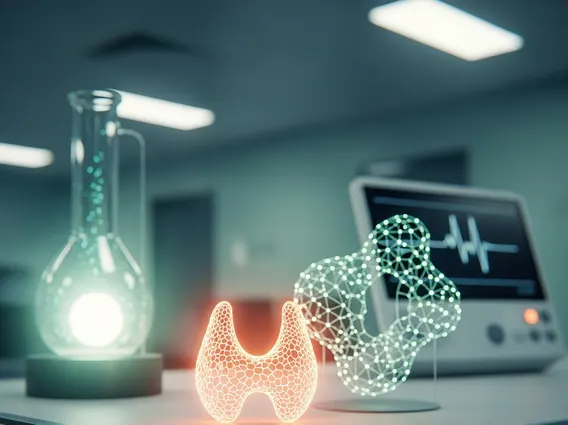
A Hot Nodule is a specific type of thyroid nodule that actively produces thyroid hormones, often leading to an overactive thyroid condition known as hyperthyroidism. Understanding this condition is crucial for proper diagnosis and management.
Key Takeaways
- Hot Nodules are thyroid growths that autonomously produce excess thyroid hormones.
- They are typically benign, but their overactivity can lead to hyperthyroidism.
- Symptoms often include weight loss, rapid heartbeat, and heat intolerance.
- Diagnosis involves blood tests and a radioactive iodine uptake scan.
- Treatment options include radioactive iodine therapy, anti-thyroid medications, or surgery.
What is a Hot Nodule?
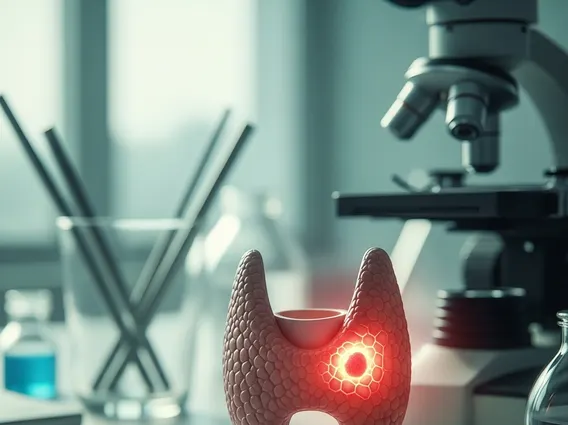
The term Hot Nodule refers to a thyroid nodule that is hyperfunctioning, meaning it produces an excessive amount of thyroid hormones independently of the body’s normal regulatory mechanisms. Unlike many other thyroid nodules, which are often “cold” (non-functioning) or “warm” (functioning normally), a hot nodule actively takes up radioactive iodine during a thyroid scan, indicating its overactivity. This autonomous function is what makes a thyroid hot nodule explained as a source of potential hyperthyroidism. While the presence of a hot nodule typically indicates a benign (non-cancerous) condition, its hormonal output can significantly impact a person’s health. According to the American Thyroid Association, thyroid nodules are very common, found in up to 67% of the population, with hot nodules representing a smaller, but clinically significant, subset.
Symptoms and Causes of Hot Nodules
The symptoms associated with hot nodules primarily stem from the excess production of thyroid hormones, leading to a state of hyperthyroidism. These manifestations can vary in severity depending on the level of hormonal overactivity. Common indicators include:
- Unexplained weight loss despite increased appetite.
- Rapid or irregular heartbeat (palpitations).
- Increased sweating and heat intolerance.
- Tremors, particularly in the hands.
- Nervousness, anxiety, and irritability.
- Fatigue and muscle weakness.
- Changes in menstrual patterns for women.
The primary cause of a hot nodule is the development of an autonomously functioning thyroid adenoma. This means that a cluster of thyroid cells within the nodule begins to grow and produce hormones without being regulated by the pituitary gland’s thyroid-stimulating hormone (TSH). The exact trigger for this autonomous growth is not always clear, but genetic factors and iodine intake may play a role in some cases.
Diagnosis and Treatment for Hot Nodules
The diagnosis and treatment of hot nodule conditions begin with a thorough medical history and physical examination, where a doctor may feel an enlarged thyroid gland or a specific nodule. Blood tests are crucial to measure levels of thyroid hormones (T3 and T4) and thyroid-stimulating hormone (TSH). In hyperthyroidism caused by a hot nodule, TSH levels are typically suppressed (low) while T3 and T4 levels are elevated.
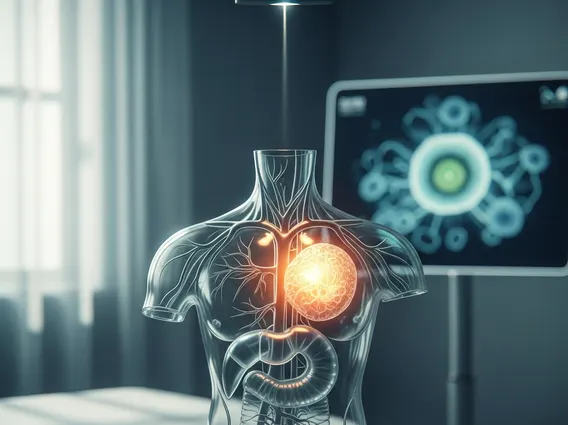
A definitive diagnostic tool is the radioactive iodine uptake (RAIU) scan, often combined with a thyroid scan. During this procedure, a small amount of radioactive iodine is administered, and its uptake by the thyroid gland is measured. A hot nodule will show increased uptake compared to the surrounding normal thyroid tissue, confirming its hyperfunctioning nature.
Treatment options aim to reduce the overproduction of thyroid hormones and manage symptoms:
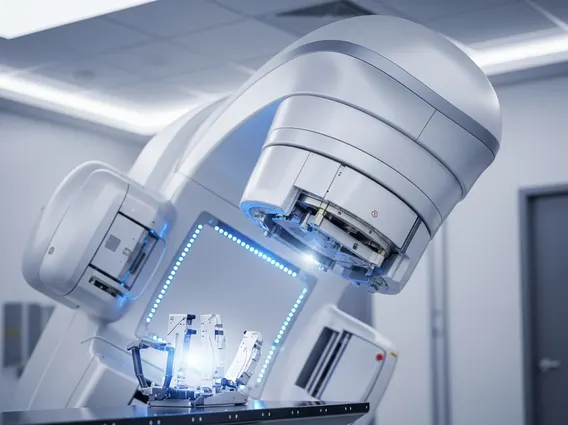
- Radioactive Iodine Therapy (RAI): This is a common and effective treatment. The patient takes a dose of radioactive iodine, which is absorbed by the overactive thyroid cells in the nodule. The radiation then destroys these cells, reducing hormone production.
- Anti-thyroid Medications: Drugs like methimazole can be used to block the thyroid gland’s ability to produce hormones, providing symptomatic relief. These are often used as a temporary measure or for patients who are not candidates for RAI or surgery.
- Surgery (Thyroidectomy): Surgical removal of the nodule or part of the thyroid gland is another option, particularly for very large nodules or when other treatments are not suitable.
The choice of treatment depends on factors such as nodule size, severity of hyperthyroidism, patient age, and overall health. Regular follow-up is essential to monitor thyroid hormone levels and ensure treatment effectiveness.