Hives
Hives, medically known as urticaria, are a common skin condition characterized by itchy, red, and raised welts on the skin. These welts can vary in size and appear anywhere on the body, often causing significant discomfort.
Key Takeaways
- Hives (urticaria) are itchy, red welts that can appear suddenly and vary in size.
- They are often triggered by allergic reactions, infections, stress, or physical stimuli.
- Acute hives typically resolve within six weeks, while chronic hives persist longer.
- Common remedies include antihistamines, cool compresses, and avoiding triggers.
- Consulting a healthcare professional is crucial for persistent or severe cases.
What Are Hives: Causes and Types
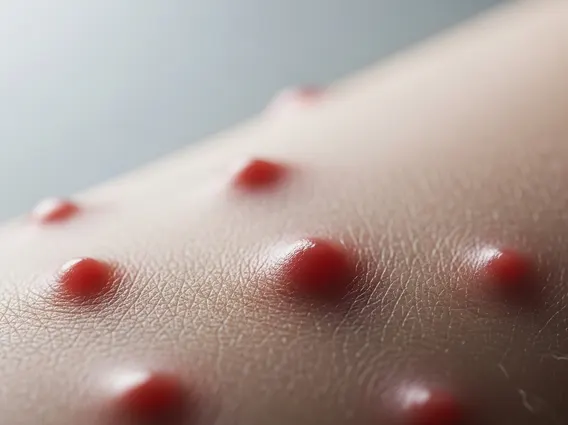
Hives refers to an outbreak of swollen, pale red bumps or plaques (wheals) on the skin that appear suddenly as a result of the body’s reaction to certain allergens or other triggers. These welts are often intensely itchy, but can also sting or burn. They can appear anywhere on the body, including the face, lips, tongue, throat, or ears. The condition is quite common; according to the American Academy of Dermatology, about 20% of people will experience hives at some point in their lives.
Understanding the underlying mechanisms of hives and their causes is crucial for effective management. Hives develop when mast cells in the skin release histamine and other chemicals, causing tiny blood vessels to leak fluid. This fluid accumulates in the skin, leading to swelling and the characteristic welts. Common causes include:
- Allergies: Foods (e.g., nuts, shellfish, eggs), medications (e.g., antibiotics, NSAIDs), insect stings, pollen, pet dander, or latex.
- Infections: Viral infections (like the common cold), bacterial infections, or fungal infections.
- Physical stimuli: Pressure, cold, heat, sun exposure, water, or exercise.
- Stress: Emotional stress can trigger or worsen hives.
- Autoimmune conditions: In some cases, the immune system mistakenly attacks healthy cells.
There are different types of hives explained based on their duration and triggers. Acute hives last less than six weeks and are often triggered by specific foods, medications, infections, or insect bites. Chronic hives persist for more than six weeks, sometimes for months or years, and their cause is often harder to identify, potentially being idiopathic (unknown), autoimmune, or related to underlying medical conditions. Physical hives (inducible urticaria) are triggered by physical factors like cold (cold urticaria), heat (cholinergic urticaria), pressure (dermographism), or sun exposure (solar urticaria).
Symptoms and Signs of Hives
The symptoms and signs of hives are typically distinct and can range from mild annoyance to significant discomfort. The primary characteristic is the appearance of wheals, which are raised, red, or skin-colored welts. These welts can appear anywhere on the body, vary in size from small spots to large patches, and are often intensely itchy, though they may also burn or sting. A notable feature is that they can change shape, disappear, and reappear within hours, and they typically blanch (turn white) when pressed in the center.
Another associated condition is angioedema, which involves swelling in deeper layers of the skin, often around the eyes, lips, genitals, or throat. While hives affect the superficial skin, angioedema causes more profound swelling and can be painful rather than itchy. In rare, severe cases, hives and angioedema can be part of an anaphylactic reaction, which is a medical emergency requiring immediate attention. Signs of anaphylaxis include difficulty breathing, dizziness, rapid pulse, and swelling of the tongue or throat.
Home Remedies for Hives Relief
While medical treatment often involves antihistamines or corticosteroids, several best home remedies for hives relief can help manage symptoms and provide comfort. These remedies focus on reducing itching and inflammation, as well as identifying and avoiding triggers.
Effective home remedies include:
- Cool Compresses: Applying a cool, damp cloth or taking a cool bath can help soothe itchy skin and reduce inflammation. It is advisable to avoid hot showers, as they can worsen itching.
- Loose, Lightweight Clothing: Wearing loose-fitting cotton clothing can prevent irritation to the skin and allow it to breathe, reducing friction that might exacerbate hives.
- Oatmeal Baths: Colloidal oatmeal has anti-inflammatory properties that can help relieve itching. Adding a cup of colloidal oatmeal to a lukewarm bath and soaking for 15-20 minutes can be beneficial.
- Avoid Triggers: Identifying and avoiding personal triggers, whether they are certain foods, medications, or physical stimuli, is paramount in preventing future outbreaks. Keeping a diary of potential triggers can be a helpful strategy.
- Aloe Vera: Applying pure aloe vera gel to the affected areas can provide a cooling sensation and help reduce inflammation due to its natural soothing properties.
It is important to note that while these home remedies can offer symptomatic relief, they do not replace professional medical advice or prescribed treatments, especially for chronic or severe cases of Hives. Always consult a healthcare provider for a proper diagnosis and treatment plan.