Histopathology
Histopathology is a fundamental branch of medical science dedicated to the microscopic examination of tissues to diagnose diseases. This field provides critical insights into the cellular and architectural changes indicative of various conditions, from infections to cancer.
Key Takeaways
- Histopathology involves the detailed microscopic study of tissue samples.
- It is crucial for accurately diagnosing diseases, assessing prognosis, and guiding treatment.
- The process typically includes biopsy, tissue processing, sectioning, staining, and expert analysis.
- Pathologists use histopathology to identify specific disease characteristics at a cellular level.
- This diagnostic tool is indispensable across numerous medical specialties, including oncology and infectious disease.
What is Histopathology?
Histopathology refers to the study of diseased tissues at a microscopic level. It is a cornerstone of diagnostic medicine, providing detailed insights into the structural and cellular changes caused by illness. The core process involves obtaining a tissue sample, typically through a biopsy or surgical excision, which is then meticulously prepared for examination. This preparation ensures that the delicate cellular architecture is preserved for accurate analysis.
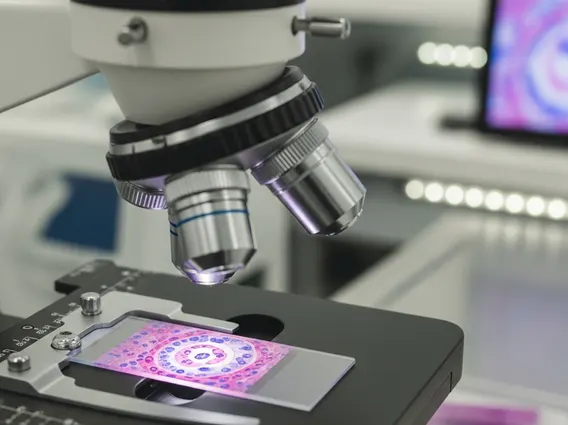
The process of histopathology explained involves several key steps. First, the tissue is fixed, often in formalin, to preserve its cellular structure and prevent degradation. This is followed by dehydration through alcohol baths and clearing agents, before embedding in paraffin wax to create a solid block. Thin sections, usually between 3 to 5 micrometers thick, are then cut from this block using a specialized instrument called a microtome. These sections are carefully mounted on glass slides and stained with various dyes, most commonly Hematoxylin and Eosin (H&E), to highlight different cellular components and tissue structures. A highly trained pathologist then examines these stained slides under a microscope to identify any abnormalities, cellular atypia, or architectural distortions indicative of disease.
The histopathology definition and meaning encompasses this entire workflow, from tissue acquisition to microscopic interpretation and reporting. It allows clinicians to understand the precise nature of a disease, differentiate between benign and malignant conditions, and determine the extent of tissue damage and disease progression. This detailed analysis is vital for confirming clinical suspicions, guiding therapeutic strategies, and predicting patient prognosis, making it an indispensable tool in modern healthcare.
Role of Histopathology in Medical Diagnosis
The role of histopathology in diagnosis is paramount across nearly all medical specialties. It provides definitive diagnoses that often cannot be achieved through imaging or clinical examination alone. In oncology, for instance, histopathology is indispensable for confirming the presence of cancer, determining its type, grade, and stage, and assessing surgical margins to ensure complete tumor removal. This information is critical for personalized treatment planning, including decisions about chemotherapy, radiation, or targeted therapies.
Beyond cancer, histopathology is vital in diagnosing a wide array of conditions. It offers crucial insights in areas such as:
- Infectious Diseases: Identifying pathogens (e.g., bacteria, fungi, viruses) and characterizing the host’s immune response within tissues.
- Inflammatory and Autoimmune Disorders: Characterizing specific patterns of inflammation, tissue damage, and immune cell infiltration.
- Renal and Liver Diseases: Assessing the extent of organ damage, identifying specific types of nephritis or hepatitis, and guiding treatment.
- Neurological Conditions: Diagnosing neurodegenerative diseases, tumors, and inflammatory conditions affecting the brain and spinal cord.
The precision offered by histopathology ensures that patients receive accurate diagnoses, leading to more effective and timely interventions. This diagnostic accuracy directly impacts patient outcomes and quality of life. As technology advances, histopathology continues to evolve, incorporating molecular techniques that further enhance its diagnostic capabilities and prognostic value, providing even more detailed information for patient care.