Hilar
In medical and anatomical contexts, the term Hilar refers to a specific indentation or depression on an organ, serving as the entry and exit point for vital structures such as blood vessels, nerves, and ducts. Understanding the hilar region is crucial for diagnosing and treating various conditions affecting organs like the lungs, kidneys, and spleen.
Key Takeaways
- The Hilar region is an anatomical indentation on an organ where structures like blood vessels and nerves enter or exit.
- It is commonly found in organs such as the lungs, kidneys, and spleen, facilitating their essential functions.
- The primary function of the hilar region is to serve as a gateway, enabling the efficient transport of substances critical for organ operation.
- Hilar lymph nodes are located within these regions and are vital for the immune system, often indicating disease presence.
- Clinical assessment of the hilar region and its associated lymph nodes is important for diagnosing conditions like infections, inflammation, and cancer.
Hilar: What It Is in Anatomy and Medicine
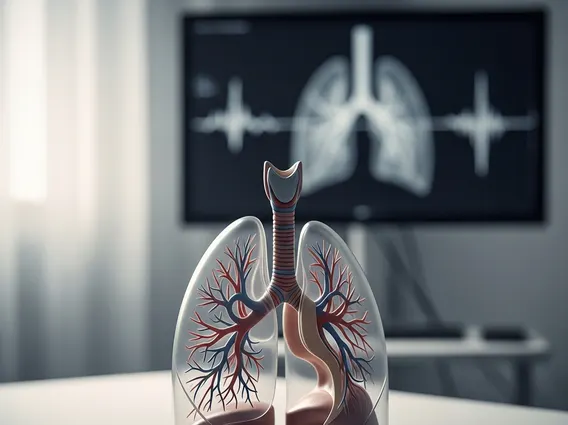
The term Hilar, in anatomy and medicine, defines a concave or depressed part of an organ, often referred to as its “root.” This specialized area acts as a crucial gateway where essential structures—such as blood vessels, nerves, lymphatics, and ducts—enter or exit the organ. The Hilar definition medical context emphasizes its role as a functional and structural nexus. For instance, in the lungs, the hilum is where the main bronchus, pulmonary arteries, and veins connect. Similarly, in the kidney, the renal hilum is the site where the renal artery, renal vein, and ureter converge.
Understanding what is Hilar in anatomy is fundamental for medical professionals. It provides a clear anatomical landmark for identifying the vascular and nervous supply of an organ, as well as its drainage systems. This precise localization is vital for surgical procedures, diagnostic imaging, and understanding the spread of diseases within the body.
Function of the Hilar Region
The hilar region function is primarily to facilitate the passage and connection of vital structures to and from an organ, ensuring its proper operation. This anatomical arrangement is critical for maintaining the organ’s physiological processes. For example, in the lungs, the hilum allows the bronchi to deliver air, while pulmonary arteries bring deoxygenated blood and pulmonary veins carry oxygenated blood away. In the kidneys, the hilum enables the renal artery to supply blood for filtration and the renal vein to return filtered blood, with the ureter transporting urine to the bladder.
The strategic positioning of the hilum ensures that these essential conduits are protected and efficiently organized. Without a distinct hilar region, the complex network of vessels and ducts would lack a centralized point of entry and exit, potentially compromising organ function. Key structures that typically traverse the hilar region include:
- Arteries (e.g., pulmonary arteries, renal arteries)
- Veins (e.g., pulmonary veins, renal veins)
- Nerves (autonomic innervation)
- Lymphatic vessels
- Ducts or bronchi (e.g., ureters, main bronchi)
Hilar Lymph Nodes: Location and Clinical Relevance
Hilar lymph nodes are a group of lymph nodes situated within the hilar region of various organs, most notably the lungs. These nodes play a crucial role in the body’s immune system, acting as filters for lymphatic fluid draining from the surrounding tissues. Their strategic location means they are often the first site to show signs of disease affecting the organ they drain, such as infections, inflammation, or malignancy.
The clinical relevance of Hilar lymph nodes explained lies in their diagnostic significance. Enlargement of these nodes, known as hilar lymphadenopathy, can be indicative of several conditions. For instance, in lung cancer, the presence of enlarged hilar lymph nodes often suggests regional metastasis, which significantly impacts staging and treatment decisions. Conditions like tuberculosis, sarcoidosis, and fungal infections can also cause hilar lymphadenopathy. According to the World Health Organization (WHO), lung cancer remains a leading cause of cancer deaths globally, and accurate assessment of lymph node involvement, including hilar nodes, is paramount for patient prognosis and management.
Radiological imaging techniques, such as CT scans and PET scans, are frequently used to visualize and assess the status of hilar lymph nodes. Biopsies may be performed to determine the underlying cause of enlargement, providing critical information for diagnosis and guiding appropriate medical or oncological interventions. Monitoring these nodes is an integral part of disease surveillance and treatment efficacy evaluation.