Herbal Medicine
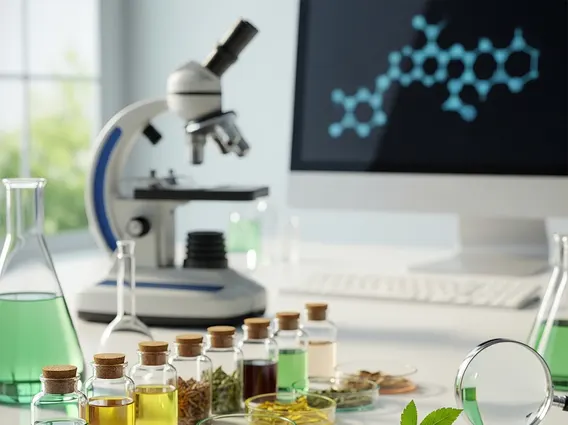
Herbal Medicine, also known as phytomedicine, is a traditional practice that utilizes plants and plant extracts for medicinal purposes. It encompasses a wide range of natural remedies derived from various parts of plants, including leaves, flowers, roots, and seeds, to promote health and treat illnesses.
Key Takeaways
- Herbal Medicine involves using plant-derived compounds for therapeutic benefits, rooted in ancient traditions.
- Common types include teas, tinctures, capsules, and topical preparations, each with specific applications.
- Herbal remedies are often sought for their natural origin and potential to support various health conditions.
- Important considerations include varying efficacy, potential drug interactions, and the necessity of professional guidance.
- While supportive, herbal treatments should not replace conventional medical care.
What is Herbal Medicine?
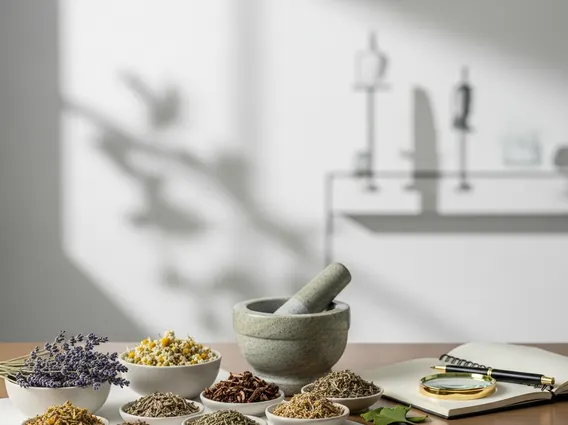
Herbal Medicine refers to the practice of using plants and plant-derived substances for therapeutic purposes. It is one of the oldest forms of healthcare, with roots in ancient civilizations across the globe, including China, India, and indigenous cultures. This practice involves extracting active compounds from various parts of plants, such as leaves, stems, flowers, roots, and seeds, to create remedies aimed at preventing or treating diseases. Unlike pharmaceutical drugs, which often isolate and synthesize specific compounds, herbal medicine typically utilizes the whole plant or a combination of plant parts, believing in the synergistic effect of its various constituents. The World Health Organization (WHO) estimates that 80% of the population in some Asian and African countries relies on traditional medicine, largely herbal, for primary healthcare.
Types of Herbal Remedies and Their Uses
The application of types of herbal medicine varies widely depending on the plant, the condition, and cultural traditions. These remedies can be prepared and administered in numerous forms, each optimizing the delivery and absorption of the plant’s active compounds. Common preparations include:
- Teas (Infusions/Decoctions): Steeping plant parts in hot water, often used for digestive issues, relaxation, or immune support (e.g., chamomile for sleep, ginger for nausea).
- Tinctures: Concentrated liquid extracts made by soaking herbs in alcohol or water-alcohol mixtures, offering potency and longer shelf life.
- Capsules/Tablets: Dried and powdered herbs encapsulated or pressed, providing convenient, standardized dosing.
- Topical Applications: Ointments, creams, or compresses applied directly to the skin for localized relief from pain, inflammation, or skin conditions (e.g., arnica for bruises, aloe vera for burns).
The herbal medicine uses and effects are diverse, from managing chronic conditions to addressing acute symptoms. For example, St. John’s Wort is traditionally used for mood support, echinacea for immune bolstering, turmeric for anti-inflammatory properties, and peppermint for digestive relief. Efficacy and safety can vary, with scientific evidence supporting some applications more robustly than others.
Benefits and Considerations of Herbal Treatments
The benefits of herbal remedies often cited include their natural origin, potential for fewer side effects compared to synthetic drugs, and a holistic approach to health. Many individuals turn to herbal treatments for chronic conditions or as a complementary approach to improve overall well-being. Some herbs possess well-documented properties, such as anti-inflammatory, antioxidant, or antimicrobial effects, contributing to their therapeutic value.
However, several important considerations exist. Regulation of herbal products varies significantly, and standardization of active ingredients is often lacking, leading to inconsistencies in potency and purity. There is also a risk of interactions between herbal remedies and conventional medications, which can either reduce drug effectiveness or increase side effects. For instance, St. John’s Wort can interfere with antidepressants, birth control pills, and blood thinners. Allergic reactions and other adverse effects are also possible. Therefore, consulting a qualified healthcare professional is essential before incorporating any herbal treatment, especially for individuals with pre-existing health conditions, those taking prescription medications, or pregnant/nursing women.
The information provided regarding herbal medicine is for educational purposes only and should not be considered a substitute for professional medical advice, diagnosis, or treatment. Always seek the advice of your physician or other qualified health provider with any questions you may have regarding a medical condition. Herbal remedies should be used under the guidance of a healthcare professional and are not intended to replace conventional medical treatment.