Herbal
Herbal medicine, often referred to as phytotherapy, involves the use of plants or plant extracts for medicinal purposes. This practice has been a cornerstone of healthcare across various cultures for thousands of years, offering a natural approach to wellness and treatment.
Key Takeaways
- Herbal medicine utilizes plant-derived materials to promote health and treat illnesses.
- It encompasses a wide array of remedies, from teas and tinctures to capsules and topical applications.
- Many cultures globally rely on herbal remedies for primary healthcare, highlighting their widespread use.
- Understanding the types of herbal plants and their appropriate uses is crucial for safety and efficacy.
- Always consult healthcare professionals before incorporating herbal treatments, especially alongside conventional medicine.
Defining Herbal Medicine: What is Herbal?
Herbal refers to the use of plants and plant-derived substances for therapeutic purposes. This ancient form of medicine harnesses the natural compounds found in various parts of plants, including leaves, flowers, roots, bark, and seeds, to support health and address specific ailments. Unlike isolated pharmaceutical drugs, herbal remedies often contain a complex mix of bioactive compounds that can work synergistically.
The practice of herbal medicine is deeply rooted in traditional healing systems worldwide. The World Health Organization (WHO) estimates that 80% of the world’s population relies on traditional medicine for primary health care, much of which involves herbal remedies. This widespread reliance underscores the cultural significance and perceived efficacy of plant-based treatments, even in modern times.
Exploring Types of Herbal Remedies and Their Benefits
Herbal medicine encompasses a diverse range of preparations and applications, each designed to deliver the beneficial properties of plants. Understanding these variations is key to appreciating their potential roles in health. The benefits of herbal medicine often stem from the natural compounds that possess anti-inflammatory, antioxidant, antimicrobial, and adaptogenic properties, among others.
What are Herbal Remedies?
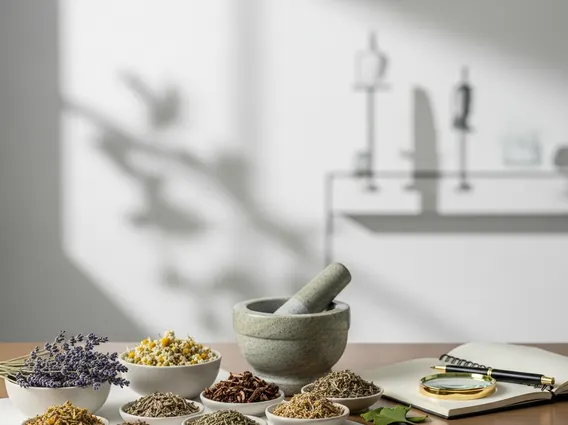
Herbal remedies are preparations made from plants that are used to treat or prevent illness and promote overall well-being. These can range from simple infusions to complex extracts. The preparation method often dictates the concentration and bioavailability of the active compounds. Common forms include:
- Teas and Infusions: Made by steeping fresh or dried herbs in hot water, ideal for gentle, daily support.
- Tinctures: Concentrated liquid extracts made by soaking herbs in alcohol or a glycerin solution, allowing for potent and easily absorbable doses.
- Capsules and Tablets: Dried and powdered herbs encapsulated for convenient, standardized dosing.
- Topical Applications: Ointments, creams, and poultices applied directly to the skin for localized relief.
The types of herbal plants used in remedies are vast and varied, each with unique therapeutic profiles. For instance, chamomile is known for its calming effects, while ginger is often used for digestive issues and anti-inflammatory properties. Turmeric, another popular herb, is recognized for its potent anti-inflammatory and antioxidant compounds. Echinacea is frequently utilized to support immune function, particularly during cold and flu season. These plants offer a spectrum of potential health advantages, contributing to the holistic approach of herbal medicine.
Practical Applications: How to Use Herbal Teas Safely
How to use herbal teas effectively and safely involves understanding the specific herb, proper preparation, and potential interactions. Herbal teas are one of the most accessible and gentle forms of herbal remedies, often used for relaxation, digestion, or mild symptomatic relief. To prepare an herbal tea, typically one to two teaspoons of dried herb (or a fresh equivalent) are steeped in a cup of hot water for 5-10 minutes, then strained.
Safety is paramount when using herbal teas. It is crucial to source herbs from reputable suppliers to ensure purity and avoid contamination. Always start with a lower dose to assess your body’s reaction. While many herbal teas are generally considered safe, some can interact with prescription medications, exacerbate existing health conditions, or cause allergic reactions. For example, St. John’s Wort tea can interfere with antidepressants and birth control pills. Pregnant or breastfeeding individuals, children, and those with chronic health conditions should exercise particular caution and consult a healthcare professional before consuming herbal teas.
This information is for supportive purposes only and does not replace professional medical advice or treatment. Always consult with a qualified healthcare provider before starting any new herbal regimen, especially if you have underlying health conditions or are taking other medications.