HER2 Positive
HER2 Positive refers to a specific characteristic found in some cancers, indicating an overexpression of the Human Epidermal Growth Factor Receptor 2 protein. This status is crucial for determining the most effective treatment strategies for affected individuals.

Key Takeaways
- HER2 Positive cancers overexpress the HER2 protein, leading to aggressive cell growth.
- This status is identified through specific tests like IHC and FISH, primarily in breast and gastric cancers.
- Understanding HER2 Positive status is vital for guiding personalized treatment plans.
- Targeted therapies specifically designed to block HER2 are key HER2 Positive treatment options.
- While HER2 Positive breast cancer symptoms are not unique, early diagnosis through testing is critical for improved outcomes.
What is HER2 Positive (Human Epidermal Growth Factor Receptor 2)?
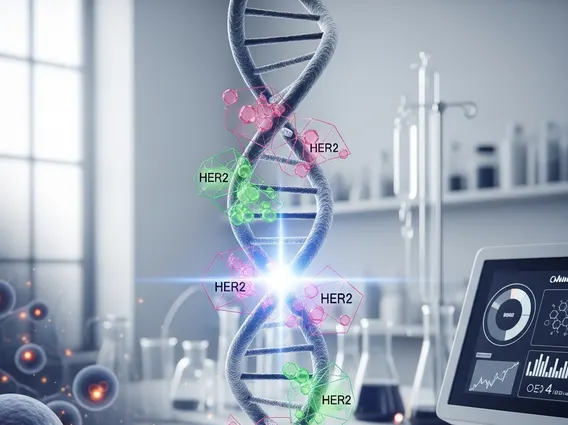
HER2 Positive (Human Epidermal Growth Factor Receptor 2) refers to a condition where cancer cells have an abnormally high number of HER2 proteins on their surface. HER2 is a gene that makes proteins called HER2 receptors, which are found on the outside of all breast cells and help control how a healthy breast cell grows, divides, and repairs itself. When a cancer is HER2 Positive, it means the HER2 gene is amplified, leading to an overproduction of these receptors. This overexpression drives the growth and division of cancer cells, often making the cancer more aggressive. This characteristic is particularly significant in cancer, notably breast cancer and some gastric cancers, as it influences disease progression and treatment responsiveness. Understanding HER2 Positive status is therefore a critical step in diagnosing and managing these specific types of malignancies.
Identifying HER2 Positive Status
Identifying HER2 Positive status is a crucial step in cancer diagnosis, especially for breast and gastric cancers, as it directly impacts treatment decisions. This status is determined through laboratory tests performed on tissue samples obtained during a biopsy or surgery. The most common methods include immunohistochemistry (IHC) and fluorescence in situ hybridization (FISH).
- Immunohistochemistry (IHC): This test measures the amount of HER2 protein on the surface of cancer cells. Results are typically scored from 0 to 3+. A score of 3+ indicates HER2 overexpression.
- Fluorescence In Situ Hybridization (FISH): If IHC results are equivocal (1+ or 2+), or sometimes as an initial test, FISH is used. This test looks for extra copies of the HER2 gene within the cancer cells. A positive FISH result confirms HER2 gene amplification.
These tests help clinicians classify the cancer, guiding them toward the most effective therapeutic strategies. It’s important to note that HER2 Positive breast cancer symptoms are generally not distinct from those of other breast cancer types; symptoms like a new lump, skin changes, or nipple discharge warrant medical evaluation, and only specific testing can reveal the HER2 status. According to the American Cancer Society, about 15% to 20% of breast cancers are HER2-positive.
HER2 Positive Treatment Options
The identification of HER2 Positive status has revolutionized the treatment landscape for these specific cancers, leading to the development of highly effective targeted therapies. These treatments specifically aim to block the HER2 protein or its signaling pathways, thereby inhibiting cancer cell growth and division.
Key HER2 Positive treatment options include:
- Monoclonal Antibodies: Drugs like trastuzumab (Herceptin) and pertuzumab (Perjeta) are designed to bind to the HER2 receptors on cancer cells, preventing them from receiving growth signals and marking them for destruction by the immune system.
- Antibody-Drug Conjugates (ADCs): Trastuzumab emtansine (Kadcyla) and trastuzumab deruxtecan (Enhertu) combine a HER2-targeting antibody with a potent chemotherapy drug. The antibody delivers the chemotherapy directly to HER2-positive cancer cells, minimizing damage to healthy cells.
- Tyrosine Kinase Inhibitors (TKIs): Small molecule drugs such as lapatinib (Tykerb), neratinib (Nerlynx), and tucatinib (Tukysa) work by blocking the signaling pathways inside the cancer cell that are activated by the HER2 receptor.
These targeted therapies are often used in combination with traditional chemotherapy, and sometimes with radiation therapy or surgery, depending on the stage and extent of the cancer. The choice of treatment regimen is highly individualized, based on the patient’s overall health, cancer stage, and specific HER2 test results. The advent of these targeted therapies has significantly improved outcomes for individuals with HER2 Positive cancers compared to historical treatments.