HER2 Neu
HER2 Neu is a crucial protein involved in cell growth and is particularly significant in certain types of cancer. Understanding its role is vital for diagnosis and targeted treatment strategies, especially in breast cancer.
Key Takeaways
- HER2 Neu is a protein that promotes cell growth, and its overexpression can lead to aggressive cancer forms, notably breast cancer.
- Approximately 15-20% of breast cancers are classified as HER2-positive, indicating higher levels of this protein.
- Testing for HER2 Neu status is essential for guiding treatment decisions, as specific targeted therapies are available.
- Treatment for HER2-positive cancers often involves drugs that block the HER2 protein, significantly improving patient outcomes.
What is HER2 Neu?
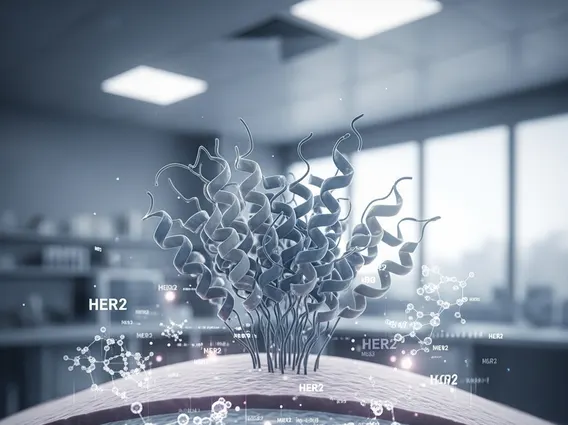
HER2 Neu refers to a gene that makes proteins called HER2 receptors, which are found on the surface of all breast cells. These receptors are involved in cell growth, division, and repair. In a healthy cell, HER2 receptors help control how the cell grows and divides. However, in some cancers, there are too many copies of the HER2 gene, leading to an overproduction of HER2 proteins. This overexpression causes cells to grow and divide uncontrollably, contributing to tumor development and progression. The presence of excessive HER2 Neu protein indicates a more aggressive form of cancer, often requiring specific therapeutic approaches.
HER2 Neu Positive Breast Cancer
When breast cancer cells have an abnormally high number of HER2 receptors, the cancer is classified as HER2 Neu positive breast cancer. This condition affects approximately 15-20% of all breast cancer cases, according to the American Cancer Society. Cancers that are HER2-positive tend to grow and spread more quickly than HER2-negative cancers. Historically, this diagnosis was associated with a poorer prognosis. However, significant advancements in targeted therapies have dramatically improved outcomes for patients with HER2 Neu positive breast cancer. These therapies specifically target the HER2 protein, blocking its signals and inhibiting cancer cell growth.
Testing and Treatment for HER2 Neu
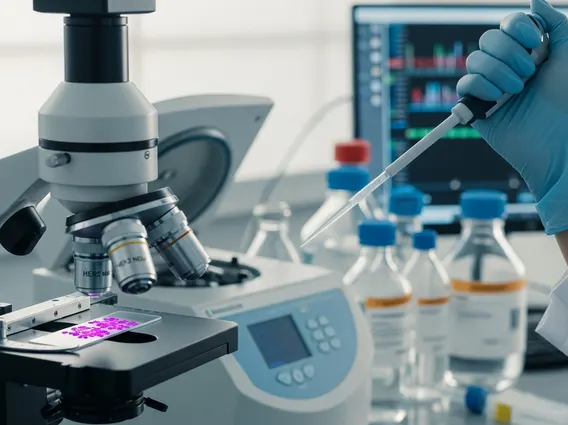
Accurate testing for HER2 Neu status is fundamental in determining the appropriate course of treatment. Several methods are used to assess HER2 levels in tumor tissue samples, typically obtained through a biopsy. These tests help oncologists understand the specific characteristics of the cancer and tailor therapy accordingly, ensuring patients receive the most effective interventions.
Common testing methods include:
- Immunohistochemistry (IHC): This test measures the amount of HER2 protein on the surface of cancer cells. Results are scored from 0 to 3+, with 3+ indicating HER2-positive status.
- Fluorescence In Situ Hybridization (FISH): If IHC results are ambiguous (1+ or 2+), FISH is often used. This test looks for extra copies of the HER2 gene within the cancer cells, confirming gene amplification.
- Dual-ISH (In Situ Hybridization): Similar to FISH, this test uses different probes to detect HER2 gene amplification, often providing clearer and more rapid results, aiding in timely treatment decisions.
Once HER2-positive status is confirmed, treatment strategies typically involve targeted therapies designed to block the HER2 protein. These treatments are often used in combination with chemotherapy, and sometimes hormone therapy, depending on other characteristics of the tumor. Examples of targeted therapies include monoclonal antibodies like trastuzumab and pertuzumab, and antibody-drug conjugates such as T-DM1. These drugs work by attaching to the HER2 receptors on cancer cells, preventing them from receiving growth signals and marking them for destruction by the immune system. While highly effective, these therapies can have side effects, which are carefully managed by the oncology team. The development of these specific treatments has revolutionized the management of HER2 Neu positive breast cancer, significantly improving survival rates and quality of life for patients and transforming a once aggressive diagnosis into a treatable condition with much better prognoses.