Hepatobiliary
The hepatobiliary system is a complex and vital network of organs responsible for crucial digestive and metabolic processes within the human body. Understanding its components and functions is fundamental to appreciating its role in maintaining overall health.
Key Takeaways
- The hepatobiliary system includes the liver, gallbladder, and bile ducts, which work in concert to produce, store, and transport bile.
- Its primary responsibilities involve aiding fat digestion, eliminating waste products, and detoxifying the body.
- Dysfunction can lead to various conditions, from gallstones and hepatitis to more severe liver diseases.
- Recognizing the symptoms of hepatobiliary disorders is key for early diagnosis and effective intervention.
- Maintaining a healthy lifestyle is crucial for supporting optimal hepatobiliary system function.
What is the Hepatobiliary System?
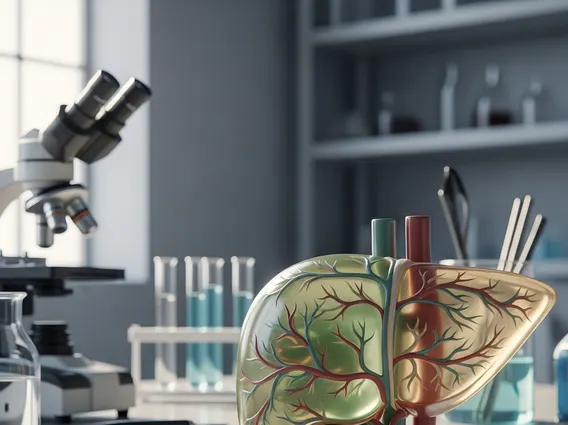
The hepatobiliary system refers to the interconnected organs that produce, store, and transport bile, a digestive fluid essential for breaking down fats. This intricate system comprises three main components: the liver, the gallbladder, and the bile ducts. The liver, the largest internal organ, continuously produces bile. The gallbladder, a small, pear-shaped organ nestled beneath the liver, stores and concentrates this bile. Finally, the bile ducts are a network of tubes that carry bile from the liver and gallbladder to the small intestine, specifically the duodenum, where it performs its digestive role. This system’s coordinated action is vital for proper bodily function.
Key Functions of the System
The primary hepatobiliary system function revolves around the production and management of bile, which is critical for several physiological processes. Bile acids emulsify dietary fats in the small intestine, making them easier for enzymes to digest and absorb. Beyond digestion, bile also serves as a crucial pathway for the body to excrete waste products, including bilirubin (a byproduct of red blood cell breakdown), excess cholesterol, and certain drugs and toxins. The liver, as the central organ, performs extensive metabolic functions, such as processing nutrients, synthesizing proteins, and detoxifying harmful substances, with its output directly influencing the entire system.
Hepatobiliary Diseases and Symptoms
A range of conditions can affect the hepatobiliary system, leading to various health complications. These common hepatobiliary diseases include gallstones (cholelithiasis), which are hardened deposits that can form in the gallbladder and block bile ducts; cholecystitis, an inflammation of the gallbladder; and various forms of hepatitis, which are inflammatory conditions of the liver often caused by viral infections (e.g., Hepatitis A, B, C), alcohol abuse, or autoimmune disorders. More severe conditions include cirrhosis, characterized by irreversible scarring of the liver, and liver cancer. According to the World Health Organization (WHO), viral hepatitis alone affected an estimated 354 million people globally with Hepatitis B or C in 2019, leading to 1.1 million deaths annually.
Recognizing the symptoms of hepatobiliary disorders is crucial for early diagnosis and treatment. These symptoms can vary depending on the specific condition but often include:
- Jaundice: Yellowing of the skin and eyes due to bilirubin buildup.
- Abdominal Pain: Often in the upper right quadrant, which can radiate to the back or shoulder.
- Nausea and Vomiting: Especially after consuming fatty foods.
- Dark Urine and Pale Stools: Indicating issues with bile flow.
- Fatigue and Weakness: General signs of systemic illness.
- Unexplained Weight Loss: A symptom that can accompany more serious conditions like cancer.
Prompt medical evaluation is essential if any of these symptoms are experienced, as timely intervention can significantly improve outcomes for many hepatobiliary conditions.