Hepatitis
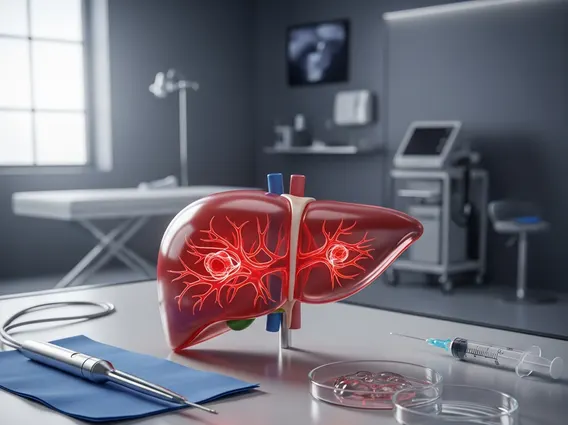
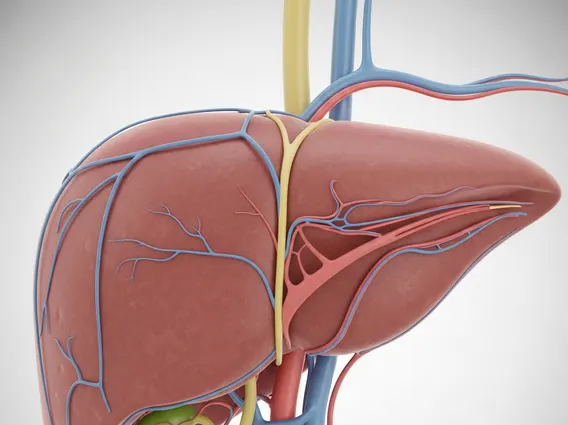
Hepatitis refers to an inflammation of the liver, a vital organ responsible for numerous bodily functions, including detoxification, protein synthesis, and nutrient metabolism. When the liver is inflamed, its ability to perform these essential tasks can be severely impaired, leading to a range of health complications.

Key Takeaways
- Hepatitis is an inflammation of the liver, most commonly caused by viral infections (Hepatitis A, B, C, D, E).
- Other causes include alcohol abuse, autoimmune diseases, and certain medications.
- Symptoms can range from mild or asymptomatic to severe, including fatigue, nausea, abdominal pain, and jaundice.
- Different types of hepatitis vary in their transmission methods, severity, and potential for chronic disease.
- Prevention strategies include vaccination for Hepatitis A and B, practicing good hygiene, and avoiding risky behaviors.
What is Hepatitis and Its Causes?
Hepatitis is a medical condition characterized by the inflammation of the liver. This inflammation can disrupt the liver’s crucial functions, which include filtering toxins from the blood, producing bile for digestion, and storing essential vitamins and minerals. The liver’s health is paramount to overall well-being, and its inflammation can have systemic effects on the body.
The causes of hepatitis are diverse, but viral infections are the most common culprits. There are five main types of viral hepatitis, identified as A, B, C, D, and E, each caused by a different virus. Beyond viral infections, other factors can also lead to liver inflammation:
- Alcoholic Hepatitis: Caused by excessive alcohol consumption, which damages liver cells.
- Autoimmune Hepatitis: Occurs when the body’s immune system mistakenly attacks liver cells.
- Drug-Induced Hepatitis: Can result from reactions to certain medications, toxins, or herbal supplements.
- Metabolic Hepatitis: Often associated with conditions like non-alcoholic fatty liver disease (NAFLD), linked to obesity and metabolic syndrome.
Globally, viral hepatitis remains a significant public health concern. According to the World Health Organization (WHO), an estimated 354 million people worldwide live with chronic hepatitis B or C, leading to 1.1 million deaths each year, primarily from cirrhosis and hepatocellular carcinoma.
Different Types of Hepatitis Explained
Understanding the different types of hepatitis is crucial due to their varying modes of transmission, severity, and long-term implications. The most common forms are viral, each with distinct characteristics:
| Type | Transmission | Severity/Chronicity | Vaccine Available |
|---|---|---|---|
| Hepatitis A (HAV) | Fecal-oral route (contaminated food/water) | Acute, self-limiting; does not become chronic | Yes |
| Hepatitis B (HBV) | Blood, semen, other body fluids (sexual contact, sharing needles, mother-to-child) | Can be acute or chronic; chronic infection can lead to cirrhosis and liver cancer | Yes |
| Hepatitis C (HCV) | Blood (sharing needles, transfusions before 1992) | Often chronic; can lead to cirrhosis and liver cancer | No (but highly effective treatments exist) |
| Hepatitis D (HDV) | Blood, semen, other body fluids (only occurs in people with HBV) | Can worsen HBV infection, leading to more severe liver disease | No (prevented by HBV vaccine) |
| Hepatitis E (HEV) | Fecal-oral route (contaminated water, undercooked meat) | Acute, self-limiting; chronic in immunocompromised individuals | Yes (not widely available) |
While viral forms are prevalent, non-viral types like alcoholic hepatitis and autoimmune hepatitis also present significant health challenges, requiring distinct diagnostic and management approaches.
Hepatitis Symptoms and Prevention Strategies
The manifestation of hepatitis symptoms and signs can vary widely depending on the type of hepatitis, the severity of the inflammation, and whether the infection is acute or chronic. Many individuals, particularly in the early stages of chronic hepatitis B or C, may experience no symptoms at all, making early detection challenging. When symptoms do appear, they can include:
- Fatigue and general malaise
- Nausea and vomiting
- Abdominal pain, particularly in the upper right quadrant
- Dark urine
- Pale or clay-colored stools
- Jaundice (yellowing of the skin and eyes)
- Loss of appetite
- Low-grade fever
Effective prevention strategies are critical to reduce the incidence and spread of hepatitis infection. These strategies are tailored to the specific type of hepatitis but generally focus on reducing exposure to the viruses and other causative agents:
For viral hepatitis, key prevention methods include:
- Vaccination: Vaccines are available for Hepatitis A and Hepatitis B, offering robust protection against these infections.
- Good Hygiene: Practicing thorough handwashing, especially after using the restroom and before preparing food, helps prevent the spread of Hepatitis A and E.
- Safe Practices: Avoiding the sharing of needles, syringes, or other drug paraphernalia is crucial for preventing Hepatitis B, C, and D. Practicing safe sex also reduces the risk of transmission for Hepatitis B and D.
- Safe Food and Water: Ensuring food is properly cooked and consuming safe, clean drinking water can prevent Hepatitis A and E.
- Screening: Regular screening for high-risk individuals can lead to early detection and treatment, preventing further transmission and progression of liver disease.
For non-viral hepatitis, prevention involves lifestyle modifications such as moderating alcohol consumption to prevent alcoholic hepatitis and managing underlying conditions that could lead to metabolic hepatitis.