Hepatic Portal Vein
The Hepatic Portal Vein is a crucial blood vessel in the human body, playing a vital role in the digestive system and liver function. Understanding its unique structure and purpose is fundamental to comprehending how nutrients are processed and toxins are filtered.
Key Takeaways
- The Hepatic Portal Vein transports nutrient-rich, deoxygenated blood from the gastrointestinal tract, spleen, and pancreas directly to the liver.
- It is distinct from other veins as it carries blood to a capillary bed (liver sinusoids) rather than directly to the heart.
- The liver processes absorbed nutrients, detoxifies harmful substances, and metabolizes drugs from the blood delivered by this vein.
- Disruptions to the Hepatic Portal Vein can lead to serious conditions like portal hypertension, impacting liver and overall health.
- Its unique anatomical arrangement ensures that substances absorbed from digestion are first screened and processed by the liver.
What is the Hepatic Portal Vein?
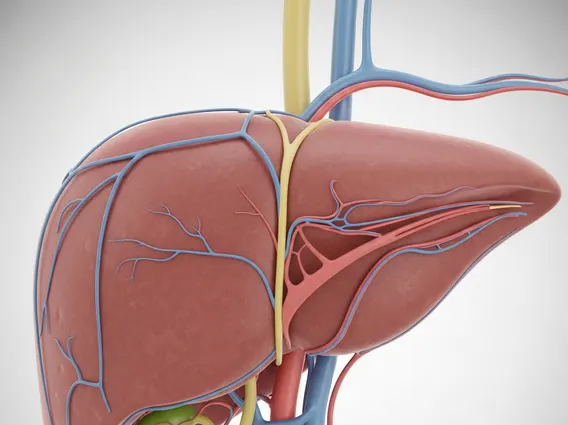
The Hepatic Portal Vein is a major blood vessel that collects blood from the gastrointestinal tract, spleen, and pancreas, delivering it directly to the liver. Unlike most veins that carry blood back to the heart, this specialized vein transports blood rich in absorbed nutrients and potential toxins from the digestive organs to the liver for processing. This unique circulatory pathway is known as the hepatic portal system.
Anatomy and Structure of the Hepatic Portal Vein
The hepatic portal vein anatomy reveals a complex network essential for its function. The Hepatic Portal Vein is formed by the confluence of several major veins:
- Superior Mesenteric Vein: Drains blood from the small intestine, ascending colon, and part of the transverse colon.
- Splenic Vein: Drains blood from the spleen, pancreas, and parts of the stomach.
- Inferior Mesenteric Vein: Drains blood from the descending colon, sigmoid colon, and rectum, typically joining the splenic vein before it merges with the superior mesenteric vein.
These veins merge behind the neck of the pancreas to form the main Hepatic Portal Vein, which then ascends posterior to the first part of the duodenum and enters the porta hepatis of the liver. Inside the liver, it branches extensively into smaller vessels, eventually emptying into the hepatic sinusoids, which are specialized capillaries where blood interacts directly with liver cells (hepatocytes).
Function and Significance of the Hepatic Portal System
The primary hepatic portal vein function is to ensure that substances absorbed from the digestive tract are first processed by the liver before entering the general circulation. This is crucial for several reasons:
- Nutrient Processing: After a meal, blood from the intestines is laden with absorbed carbohydrates, amino acids, vitamins, and minerals. The liver takes up these nutrients, metabolizes them, stores them, or releases them into systemic circulation as needed. For instance, excess glucose can be converted into glycogen for storage.
- Detoxification: The digestive tract can absorb harmful substances, toxins, and drugs. The liver acts as a primary detoxification organ, metabolizing and neutralizing these compounds, preventing them from reaching the rest of the body in high concentrations. This protective mechanism is a key aspect of the hepatic portal system explained.
- Drug Metabolism: Many orally administered drugs are absorbed into the portal system and undergo “first-pass metabolism” in the liver, significantly affecting their bioavailability.
Without the Hepatic Portal Vein, the body would be exposed to unprocessed substances directly from the gut, potentially leading to toxicity and inefficient nutrient utilization. Conditions affecting this system, such as portal hypertension (elevated blood pressure in the portal vein), can severely impair liver function and lead to serious complications like ascites, varices, and encephalopathy. According to the American Liver Foundation, portal hypertension is a common complication of advanced liver disease, particularly cirrhosis, affecting a significant portion of patients with these conditions.