Hepatic
The term Hepatic is fundamental in medicine, specifically referring to anything related to the liver. Understanding its meaning is crucial for comprehending various bodily functions and health conditions.
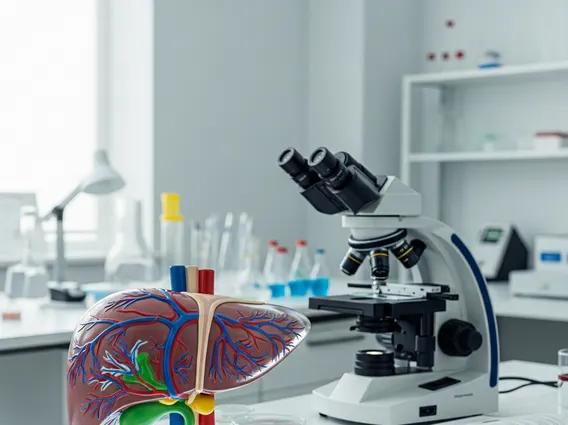
Key Takeaways
- Hepatic refers to anything pertaining to the liver, a vital organ for metabolism and detoxification.
- The liver is the central component of the hepatic system, performing critical functions like bile production and nutrient processing.
- Common hepatic diseases include hepatitis, cirrhosis, and fatty liver disease, often presenting with symptoms like jaundice and fatigue.
- Maintaining liver health through lifestyle choices is essential for overall well-being and preventing hepatic complications.
What is Hepatic and its Function?
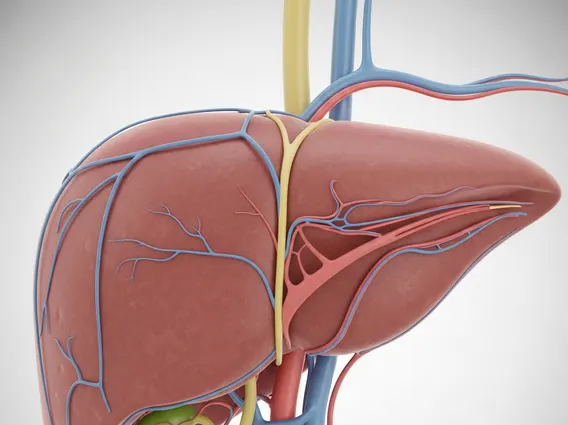
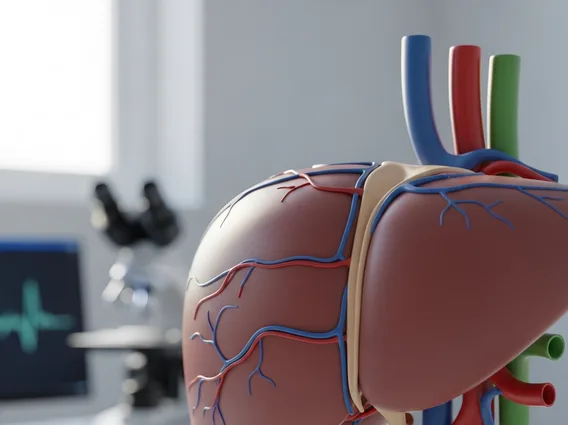
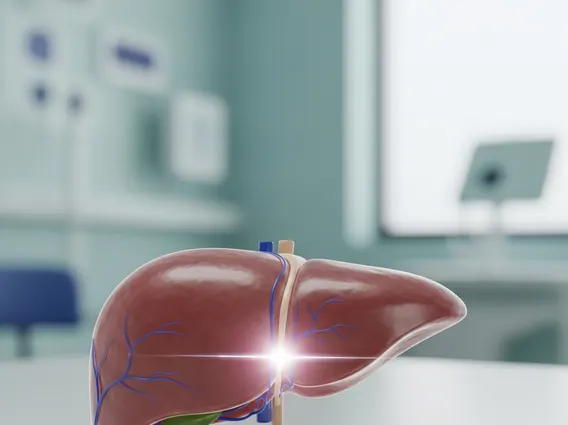
Hepatic refers to anything associated with the liver. This includes structures, processes, and conditions that involve this vital organ. The liver, a large, glandular organ located in the upper right quadrant of the abdomen, plays a central role in numerous metabolic functions essential for life.
The hepatic system explained encompasses the liver itself, its blood supply (hepatic artery and portal vein), bile ducts, and the intricate network of cells (hepatocytes) that carry out its diverse functions. These functions include detoxification of harmful substances, metabolism of drugs, synthesis of proteins (like albumin and clotting factors), production of bile for fat digestion, and storage of glycogen, vitamins, and minerals. For instance, the liver processes nutrients absorbed from the digestive tract before they reach the rest of the body, ensuring proper distribution and removal of waste products.
How Does the Liver Relate to Hepatic?
The liver is intrinsically linked to the term hepatic because it is the primary organ to which “hepatic” refers. Essentially, the liver is the core of the hepatic system. All functions, diseases, and anatomical structures described as hepatic are directly or indirectly related to the liver’s activity or health. For example, the hepatic portal vein carries nutrient-rich blood from the digestive organs to the liver for processing, highlighting a direct anatomical and functional relationship.
The liver’s role in maintaining homeostasis is unparalleled. It filters approximately 1.5 liters of blood per minute, making it a critical hub for processing and purifying substances within the body. According to the World Health Organization (WHO), liver diseases are a significant global health concern, underscoring the liver’s importance to overall human health and the broad impact of hepatic conditions. Its ability to regenerate also makes it unique among organs, though this capacity can be overwhelmed by chronic damage.
Common Hepatic Diseases and Symptoms
A range of conditions can affect the liver, leading to various common hepatic diseases and symptoms. These diseases can impair the liver’s ability to perform its vital functions, leading to systemic health issues. Early detection and intervention are crucial for managing these conditions effectively.
Some of the most prevalent hepatic diseases include:
- Hepatitis: Inflammation of the liver, often caused by viral infections (Hepatitis A, B, C, D, E), but also by alcohol abuse, certain medications, or autoimmune conditions.
- Cirrhosis: A late stage of scarring (fibrosis) in the liver caused by various liver diseases and conditions, such as hepatitis and chronic alcohol abuse. It can lead to liver failure.
- Fatty Liver Disease: Characterized by the accumulation of excess fat in liver cells. It can be alcoholic (AFLD) or non-alcoholic (NAFLD), with NAFLD being increasingly common due to obesity and metabolic syndrome.
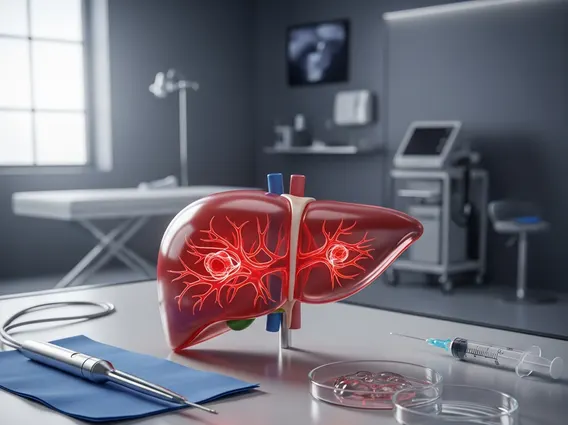
- Liver Cancer: Primary liver cancer (hepatocellular carcinoma) often develops in livers already damaged by chronic conditions like hepatitis or cirrhosis.
Symptoms of hepatic diseases can vary widely depending on the specific condition and its severity, but some common indicators include jaundice (yellowing of the skin and eyes), fatigue, dark urine, pale stools, abdominal pain and swelling, nausea, and unexplained weight loss. It is important to consult a healthcare professional if any of these symptoms are experienced, as early diagnosis can significantly improve outcomes.