Hepatic Arterial Infusion
Hepatic Arterial Infusion is a highly specialized treatment method designed to deliver chemotherapy directly to tumors within the liver, offering a targeted approach to managing liver-dominant cancers.
Key Takeaways
- Hepatic Arterial Infusion (HAI) is a regional chemotherapy technique for liver-confined cancers.
- It involves surgically implanting a pump and catheter to deliver drugs directly into the hepatic artery.
- This method maximizes drug concentration in liver tumors while minimizing systemic exposure and side effects.
- HAI can lead to improved tumor response, reduced toxicity, and potentially better quality of life for suitable patients.
What is Hepatic Arterial Infusion (HAI)?
Hepatic Arterial Infusion (HAI) is a specialized regional chemotherapy technique designed to deliver high concentrations of anti-cancer drugs directly to tumors within the liver. This method is primarily used for patients with liver-dominant colorectal cancer metastases or primary liver cancers that are confined to the liver. Unlike systemic chemotherapy, which circulates throughout the entire body, HAI targets the liver through the hepatic artery, which is the main blood supply for most liver tumors. This allows for a significantly higher dose of chemotherapy to reach the cancerous cells while limiting exposure to healthy tissues elsewhere in the body, thereby reducing systemic side effects. It represents a crucial treatment option for patients whose disease is primarily localized to the liver, aiming to control tumor growth and improve outcomes.
How Hepatic Arterial Infusion Works
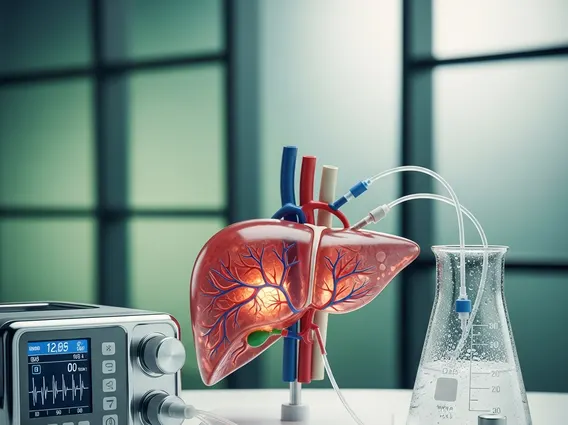
The mechanism of hepatic arterial infusion therapy explained involves a surgical procedure to implant a small, disc-shaped pump (often placed under the skin in the abdomen) connected to a catheter. This catheter is precisely threaded into the hepatic artery, which supplies blood to the liver and, crucially, to most liver tumors. Once implanted, chemotherapy drugs are periodically injected into the pump, which then continuously delivers the medication directly to the liver. The liver’s unique blood supply allows it to metabolize a significant portion of the chemotherapy drug on its “first pass” through the organ. This first-pass metabolism means that only a small fraction of the drug enters the general bloodstream, resulting in a highly localized effect. This direct delivery ensures that liver tumors receive a concentrated dose of chemotherapy, maximizing its cytotoxic effect on cancer cells while minimizing systemic exposure and associated side effects like nausea, hair loss, and fatigue, which are common with conventional intravenous chemotherapy.
Benefits of Hepatic Arterial Infusion Therapy
The benefits of hepatic arterial infusion therapy are significant, particularly for patients with unresectable liver tumors or those who have not responded to systemic chemotherapy. This targeted approach allows for a much higher concentration of chemotherapy drugs to reach the liver tumors—up to 200 to 400 times greater than systemic administration—leading to more effective tumor shrinkage and disease control.
Key advantages include:
- Enhanced Tumor Response: Direct delivery maximizes drug exposure to liver tumors, often resulting in higher response rates and tumor regression compared to systemic treatments.
- Reduced Systemic Toxicity: The liver’s first-pass metabolism of the drugs significantly limits their circulation throughout the rest of the body, leading to fewer and less severe systemic side effects, such as hair loss, fatigue, and bone marrow suppression.
- Improved Quality of Life: With fewer debilitating side effects, patients often experience a better quality of life during treatment, allowing them to maintain daily activities more effectively.
- Potential for Resectability: In some cases, HAI can shrink tumors sufficiently to make previously inoperable cancers amenable to surgical resection, offering a chance for curative intent.
- Extended Survival: For select patient populations, particularly those with liver-dominant colorectal metastases, HAI has been shown to improve overall survival rates.
These advantages make HAI a valuable option in multidisciplinary cancer care, especially when liver disease is the primary threat to a patient’s health.