Hepatectomy
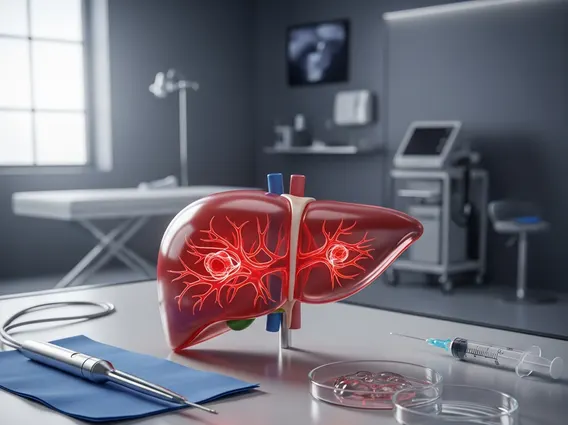
Hepatectomy is a significant surgical procedure involving the removal of part of the liver. This intervention is often necessary to treat various liver conditions, ranging from cancerous tumors to severe benign diseases, aiming to preserve healthy liver function.

Key Takeaways
- Hepatectomy is the surgical removal of a portion of the liver, performed for various medical conditions.
- Common reasons for hepatectomy include primary and metastatic liver cancers, as well as certain benign tumors and liver diseases.
- The hepatectomy procedure explanation involves precise surgical techniques, which can be open or minimally invasive.
- The hepatectomy recovery period varies but typically involves several weeks to months, with the liver demonstrating remarkable regenerative capabilities.
- Successful outcomes depend on careful patient selection, surgical expertise, and comprehensive post-operative care.
What is Hepatectomy?
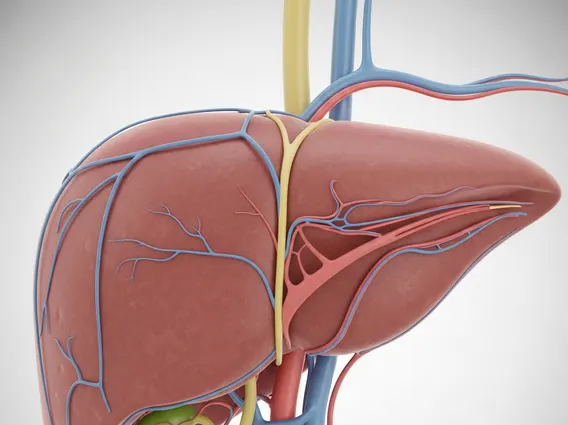
Hepatectomy refers to the surgical procedure involving the removal of all or part of the liver. This complex operation is performed by highly specialized surgeons and can range from the excision of a small segment (segmentectomy) to the removal of an entire lobe (lobectomy) or even more extensive portions. The liver’s unique ability to regenerate allows for significant portions to be removed while maintaining adequate function, provided the remaining liver tissue is healthy.
The decision to perform what is hepatectomy surgery is based on a thorough evaluation of the patient’s liver health, the nature and extent of the disease, and overall physical condition. Advances in surgical techniques and imaging have made hepatectomy a safer and more effective treatment option for many patients, significantly improving prognosis for various liver pathologies.
Reasons for Hepatectomy
There are several critical reasons for hepatectomy, primarily related to the presence of abnormal growths or damaged tissue within the liver that pose a threat to health. The most common indications involve cancerous conditions, but benign diseases can also necessitate surgical intervention.
Key reasons for considering a hepatectomy include:
- Primary Liver Cancers: Such as hepatocellular carcinoma (HCC), which is the most common type of primary liver cancer, and cholangiocarcinoma, a cancer of the bile ducts within the liver.
- Metastatic Liver Cancers: Cancers that originate in other parts of the body (e.g., colorectal cancer, neuroendocrine tumors) and spread to the liver. Hepatectomy can be curative in selected cases of liver metastases.
- Benign Liver Tumors: Non-cancerous growths like hepatic adenomas or focal nodular hyperplasia (FNH) that are large, symptomatic, or carry a risk of rupture or malignant transformation.
- Cysts and Abscesses: Large, symptomatic, or infected cysts, or severe liver abscesses that do not respond to medical management.
- Trauma: Severe liver injuries that result in significant bleeding or tissue damage that cannot be managed by less invasive means.
The specific reason for surgery dictates the extent of the hepatectomy and influences the overall treatment plan, often involving a multidisciplinary team approach.
Hepatectomy Procedure and Recovery
The hepatectomy procedure explanation involves several stages, beginning with general anesthesia. The surgeon makes an incision, which can be traditional open surgery (a large incision across the abdomen) or minimally invasive laparoscopic or robotic surgery (several small incisions). The choice of approach depends on the size and location of the liver lesion, as well as the patient’s overall health and the surgeon’s expertise. During the procedure, the blood supply to the portion of the liver to be removed is carefully controlled, and the affected liver tissue is precisely resected. The remaining liver is then meticulously inspected for bleeding, and the incision is closed.
Following the operation, patients are closely monitored in the intensive care unit before moving to a regular hospital room. The initial post-operative period focuses on pain management, fluid balance, and monitoring for potential complications such as bleeding or infection. The average hospital stay can range from 5 to 10 days, depending on the extent of the surgery and individual recovery.
The hepatectomy recovery period is a gradual process that typically spans several weeks to months. Patients can expect to experience fatigue, discomfort, and some activity restrictions during this time. The liver has a remarkable capacity to regenerate, often growing back to nearly its original size within a few months. Full recovery involves a progressive return to normal activities, guided by the medical team. Regular follow-up appointments are crucial to monitor liver function, assess recovery progress, and detect any recurrence of the underlying condition. Adherence to post-operative instructions, including dietary recommendations and activity limitations, is vital for optimal healing and long-term outcomes.