Heparin
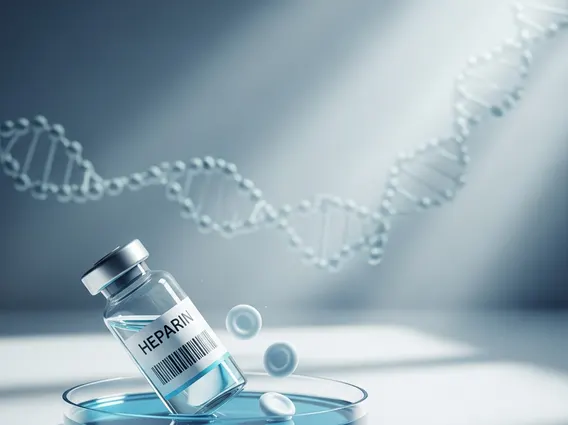
Heparin is a widely used anticoagulant medication that plays a crucial role in preventing and treating various thrombotic conditions. Understanding its function, applications, and potential risks is essential for both healthcare professionals and patients.
Key Takeaways
- Heparin is an anticoagulant medication used to prevent blood clot formation.
- It works by enhancing the activity of antithrombin, a natural inhibitor of clotting factors.
- Common uses include preventing deep vein thrombosis, pulmonary embolism, and during medical procedures like dialysis.
- Major side effects can include bleeding and heparin-induced thrombocytopenia (HIT).
- Careful monitoring and dosage adjustments are necessary due to its narrow therapeutic window.
What is Heparin?
Heparin is an anticoagulant, often referred to as a blood thinner, that prevents the formation of blood clots. It does not dissolve existing clots but stops them from growing larger and prevents new ones from forming. This medication is derived from animal tissues and has been a cornerstone in thrombotic therapy for decades. As part of comprehensive heparin drug information, it’s important to note that heparin is typically administered intravenously or subcutaneously, as it is not absorbed orally.
Heparin Uses and Mechanism of Action
Understanding what is heparin used for involves recognizing its critical role in various clinical settings. Heparin is primarily used to prevent and treat conditions where blood clots pose a significant health risk. Its applications range from acute medical emergencies to long-term prophylactic measures.
Common uses for Heparin include:
- Preventing and treating deep vein thrombosis (DVT) and pulmonary embolism (PE).
- Preventing clot formation during and after surgical procedures, particularly orthopedic surgeries.
- Maintaining patency of intravenous catheters and during procedures like hemodialysis and cardiopulmonary bypass.
- Treating unstable angina and myocardial infarction to prevent further clot formation in coronary arteries.
The heparin mechanism of action involves its interaction with antithrombin, a natural anticoagulant protein in the body. Heparin binds to antithrombin, significantly increasing its ability to inactivate several clotting factors, most notably thrombin (Factor IIa) and Factor Xa. This accelerated inactivation prevents the conversion of fibrinogen to fibrin, which is a key component in the formation of a stable blood clot. The rapid onset of action makes heparin particularly useful in acute situations requiring immediate anticoagulation.
Side Effects and Precautions for Heparin
While highly effective, heparin side effects and precautions require careful consideration to ensure patient safety. The most common and significant side effect of heparin is bleeding, which can range from minor bruising to severe, life-threatening hemorrhages. The risk of bleeding increases with higher doses, prolonged use, and in patients with pre-existing bleeding disorders or those taking other medications that affect blood clotting.
Other important precautions and potential side effects include:
- Heparin-Induced Thrombocytopenia (HIT): A serious, immune-mediated complication where heparin causes a significant drop in platelet count and paradoxically increases the risk of new clot formation.
- Osteoporosis: Long-term use of unfractionated heparin can lead to bone density loss.
- Hypersensitivity Reactions: Allergic reactions, though rare, can occur.
- Hyperkalemia: Heparin can suppress aldosterone secretion, leading to elevated potassium levels in some patients.
Due to these risks, patients receiving heparin require close monitoring, including regular blood tests to assess clotting times (such as aPTT for unfractionated heparin) and platelet counts. Dosage adjustments are frequently necessary to maintain therapeutic levels while minimizing the risk of adverse events.