Hemp
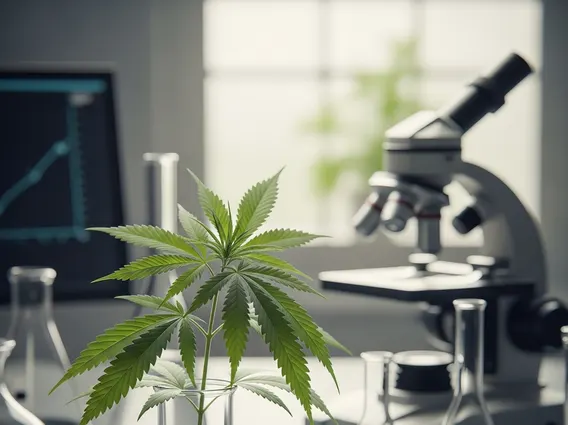
Hemp refers to varieties of the Cannabis sativa plant that are specifically cultivated for industrial and medicinal purposes, distinguishing them from other cannabis plants by their low tetrahydrocannabinol (THC) content. This versatile plant has a rich history of human use, dating back thousands of years.
Key Takeaways
- Hemp is a variety of Cannabis sativa with minimal THC, primarily used for industrial and health applications.
- It is cultivated for its fibers, seeds, and oils, offering a wide range of products from textiles to nutritional supplements.
- The plant’s nutritional profile includes essential fatty acids, proteins, and minerals, contributing to various health benefits.
- A key distinction lies in its low THC content (typically below 0.3%), which differentiates it legally and functionally from marijuana.
- Emerging research continues to explore the full potential of hemp in various sectors, including medicine and sustainable industry.
What is Hemp? Facts and Information
Hemp is a botanical class of Cannabis sativa cultivars grown specifically for industrial or medicinal use. It is one of the fastest-growing plants on Earth and was one of the first plants to be spun into usable fiber 10,000 years ago. Unlike marijuana, hemp contains very low levels of tetrahydrocannabinol (THC), the psychoactive compound found in cannabis. By definition in many countries, including the United States, industrial hemp must contain no more than 0.3% THC on a dry weight basis. This low THC content ensures that hemp products do not produce intoxicating effects.
The plant is characterized by its tall, sturdy stalks and dense foliage, making it suitable for a wide array of applications. The cultivation of hemp is environmentally friendly, requiring less water and pesticides compared to many other crops. For instance, according to the European Industrial Hemp Association, hemp cultivation can improve soil health and sequester carbon dioxide from the atmosphere, contributing to sustainable agricultural practices. These hemp plant facts and information highlight its ecological benefits and historical significance as a renewable resource.
Uses and Health Benefits of Hemp
The versatility of hemp extends to numerous applications across various industries, from textiles and construction materials to food and health products. The plant is used for its different components—fibers, seeds, and flowers—each offering unique properties:
- Fibers: Known for their strength and durability, hemp fibers are used in textiles (clothing, canvas), ropes, paper, and building materials (e.g., hempcrete).
- Seeds: Often consumed as a nutritional food source (hemp hearts), pressed for oil (hemp seed oil), or processed into protein powders.
- Flowers and Leaves: Primarily used for extracting cannabinoids like cannabidiol (CBD), which is incorporated into various wellness products.
Regarding the benefits of hemp for health, its seeds and oils are particularly notable. Hemp seeds contain an optimal 3:1 ratio of omega-6 to omega-3 fatty acids, which are crucial for cardiovascular health and reducing inflammation. They are also a complete protein source, providing all nine essential amino acids, making them an excellent dietary supplement, especially for vegetarians and vegans. Additionally, hemp oil, extracted from the seeds, is used in skincare products for its moisturizing and anti-inflammatory properties. While research into the full spectrum of hemp’s health benefits is ongoing, preliminary studies suggest potential roles in supporting heart health, digestive function, and skin conditions. For example, a review published in the journal Nutrients in 2020 highlighted the nutritional value of hemp seeds and their potential therapeutic applications due to their unique fatty acid profile and antioxidant content.
It is important to note that while hemp products offer various nutritional and supportive health benefits, they are not intended to diagnose, treat, cure, or prevent any disease. Individuals considering hemp-derived products for health purposes should consult with a healthcare professional, especially if they have underlying medical conditions or are taking other medications.
Hemp vs. Marijuana: Understanding the Differences
The difference between hemp and marijuana is a critical distinction, primarily rooted in their chemical composition and legal classification, despite both originating from the Cannabis sativa plant. The defining factor is the concentration of tetrahydrocannabinol (THC), the primary psychoactive compound. Hemp is legally defined as cannabis containing 0.3% or less THC by dry weight, a threshold established by the 2018 Farm Bill in the United States. Marijuana, conversely, refers to cannabis plants with THC levels exceeding this threshold, which produce intoxicating effects.
Beyond THC content, their cultivation practices and uses also differ significantly. Hemp is typically grown densely outdoors for industrial purposes, focusing on maximizing stalk and seed production. Marijuana cultivation, on the other hand, often involves controlled indoor environments to optimize flower production and cannabinoid potency. The distinct chemical profiles lead to entirely different applications, with hemp being utilized for its fibers, seeds, and non-intoxicating cannabinoids like cannabidiol (CBD), while marijuana is primarily cultivated for its psychoactive and therapeutic effects associated with higher THC levels.
| Feature | Hemp | Marijuana |
|---|---|---|
| THC Content | Less than 0.3% | Typically 0.3% to 30% or more |
| Psychoactive Effects | Non-intoxicating | Intoxicating |
| Primary Uses | Industrial fibers, seeds, CBD products, food, textiles, building materials | Recreational, medicinal (for psychoactive effects) |
| Cultivation | Tall, dense, outdoor growth; focused on stalks and seeds | Shorter, bushier, often indoor growth; focused on flowers |
| Legal Status (e.g., US) | Federally legal (with <0.3% THC) | Federally illegal, but legal in some states for medical/recreational use |