Hematogenous
Hematogenous refers to anything originating in or spread through the blood. This term is crucial in medicine, particularly when discussing the dissemination of diseases, infections, or cancerous cells throughout the body.

Key Takeaways
- Hematogenous describes processes related to or spread via the bloodstream.
- It is a primary mechanism for pathogens and cancer cells to travel from a primary site to distant organs.
- The process involves entry into the vasculature, survival in circulation, and extravasation into target tissues.
- Understanding hematogenous spread is vital for diagnosing and treating systemic infections and metastatic cancer.
- Factors like pathogen virulence, host immune status, and vascular anatomy influence the success of hematogenous dissemination.
What is Hematogenous?
Hematogenous describes a process or condition that originates in or is disseminated through the bloodstream. In a medical context, this term is frequently used to explain how infectious agents, toxins, or malignant cells travel from one part of the body to another. The blood circulatory system acts as a vast transport network, capable of carrying substances to virtually any organ or tissue, making hematogenous spread a highly effective, albeit dangerous, pathway for disease progression.
Understanding what is hematogenous is fundamental to comprehending the systemic nature of many diseases. For instance, a localized infection can become systemic if the pathogens enter the bloodstream, leading to conditions like sepsis. Similarly, cancer cells can break away from a primary tumor, enter the circulation, and establish secondary tumors (metastases) in distant sites, a process central to cancer progression and prognosis.
Mechanisms of Hematogenous Spread
The process of hematogenous spread explained involves several critical steps, whether it pertains to pathogens or cancer cells. Initially, the agents must gain access to the bloodstream. For infectious agents, this can occur through breaches in skin or mucosal barriers, direct injection, or invasion from a localized infection site. Cancer cells typically invade nearby blood vessels (intravasation) from the primary tumor.
Once in the bloodstream, these agents must survive the hostile environment, which includes immune surveillance and physical stresses. Pathogens and circulating tumor cells (CTCs) often employ various strategies to evade detection and destruction. After surviving circulation, they must adhere to the endothelial lining of blood vessels in a distant organ and then exit the vasculature (extravasation) to colonize new tissue. This entire sequence constitutes the hematogenous infection pathway or metastatic cascade.
Common factors influencing the success of hematogenous dissemination include:
- Agent Characteristics: Virulence factors for pathogens, or metastatic potential for cancer cells.
- Host Immune Status: A compromised immune system can facilitate easier spread.
- Vascular Anatomy: The specific arrangement of blood vessels can influence where agents preferentially lodge.
- Microenvironment: The suitability of the target organ’s tissue for growth and establishment.
Clinical Impact of Hematogenous Dissemination
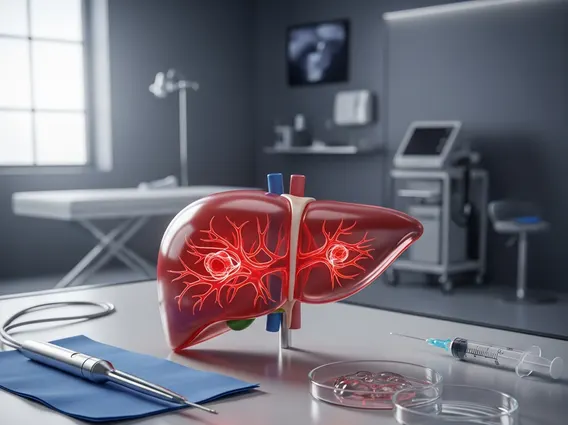
The hematogenous dissemination meaning for clinical practice is profound, as it dictates the severity, prognosis, and treatment strategies for numerous conditions. In oncology, hematogenous spread is the primary mechanism by which cancer metastasizes, leading to secondary tumors in organs like the lungs, liver, bones, and brain. This spread is a major cause of cancer-related mortality, with an estimated 90% of cancer deaths attributed to metastasis, according to the American Cancer Society.
In infectious diseases, hematogenous dissemination can transform a localized infection into a life-threatening systemic illness, such as bacteremia, viremia, or fungemia, potentially leading to sepsis and multi-organ failure. Early detection of pathogens or cancer cells in the blood is therefore critical for timely intervention. Diagnostic methods often involve blood cultures for infections or liquid biopsies for detecting circulating tumor cells, which can guide targeted therapies and improve patient outcomes.