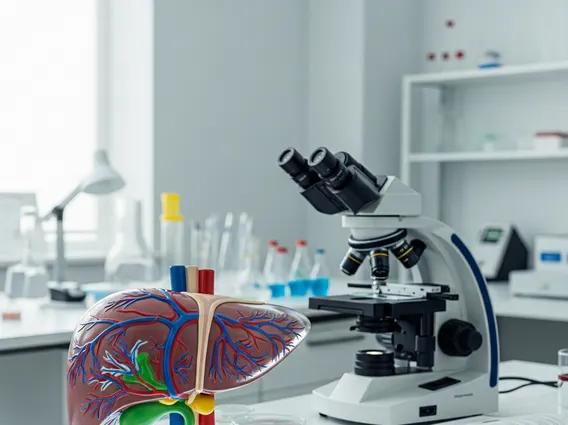
Hdgc
Hdgc is a complex medical condition that warrants a comprehensive understanding for effective management and patient care. This article aims to provide a clear overview of Hdgc, covering its fundamental nature, diagnostic approaches, and current treatment strategies.

Key Takeaways
- Hdgc is a specific medical condition requiring careful diagnosis and individualized treatment.
- Recognizing the signs and symptoms early is crucial for timely intervention and improved outcomes.
- Diagnosis typically involves a combination of clinical evaluation, laboratory tests, and imaging studies.
- Treatment strategies for Hdgc are multifaceted, often combining medication, lifestyle adjustments, and supportive care.
- Ongoing management and patient education are vital for living with Hdgc and maintaining quality of life.
What is Hdgc?
Hdgc refers to a distinct medical condition characterized by specific physiological changes within the body. While the exact prevalence can vary geographically, it is estimated to affect a significant portion of the population, with recent data suggesting that approximately 1 in 500 individuals may be diagnosed with a related condition globally, according to the World Health Organization (WHO).
Understanding Hdgc is essential for both patients and healthcare providers. The condition involves a disruption in normal cellular processes, leading to a cascade of effects that can impact various organ systems. This comprehensive explanation of Hdgc aims to clarify its underlying mechanisms and clinical presentation, providing a foundational understanding for those seeking to learn about Hdgc.
Signs, Symptoms, and Diagnosis of Hdgc
The manifestation of Hdgc can vary among individuals, but common signs and symptoms often provide the first indicators of the condition. Early recognition is paramount for prompt medical attention and can significantly influence the course of the disease. These symptoms are often subtle at first and may progress over time.
Common signs and symptoms associated with Hdgc include:
- Persistent fatigue and weakness, not relieved by rest.
- Unexplained weight changes, either gain or loss.
- Digestive disturbances such as nausea, abdominal pain, or changes in bowel habits.
- Neurological symptoms, including headaches, dizziness, or sensory changes.
- Skin manifestations, such as rashes or unusual discoloration.
Diagnosing Hdgc typically involves a multi-pronged approach to confirm the presence of the condition and assess its severity. A thorough medical history and physical examination are the initial steps, where healthcare providers gather information about the patient’s symptoms, lifestyle, and family history. This is often followed by a series of diagnostic tests:
- Laboratory Tests: Blood and urine tests can reveal specific biomarkers or abnormalities indicative of Hdgc.
- Imaging Studies: Techniques such as MRI, CT scans, or ultrasound may be used to visualize affected organs and tissues.
- Biopsy: In some cases, a tissue sample may be taken for microscopic examination to confirm the diagnosis and determine the extent of cellular changes.
The combination of these diagnostic tools allows clinicians to accurately identify Hdgc and formulate an appropriate treatment plan.
Treatment and Management Strategies for Hdgc
Treatment for Hdgc is highly individualized, tailored to the specific presentation of the condition, its severity, and the patient’s overall health. The primary goals of treatment are to alleviate symptoms, prevent disease progression, and improve the patient’s quality of life. Management strategies often involve a combination of medical interventions and supportive care.
Pharmacological treatments may include medications designed to target specific pathways involved in Hdgc, such as anti-inflammatory drugs, immunomodulators, or therapies aimed at correcting metabolic imbalances. In certain advanced cases, surgical intervention might be considered to address specific complications or affected organs. Beyond medication, lifestyle modifications play a crucial role in managing Hdgc. These can include dietary adjustments, regular physical activity as tolerated, and stress reduction techniques.
Supportive care is also a cornerstone of Hdgc management, focusing on symptom relief and maintaining overall well-being. This may involve pain management, nutritional support, and psychological counseling to help patients cope with the challenges of a chronic condition. While conventional medical treatments form the foundation of care, some individuals explore complementary therapies. It is important to note that information on alternative or complementary therapies is for supportive purposes only and does not replace professional medical treatment or advice.