Hcc
Hepatocellular Carcinoma (HCC) is the most prevalent form of primary liver cancer, originating in the liver’s main cells, known as hepatocytes. This article provides a comprehensive overview of HCC, covering its nature, contributing factors, symptoms, and the various approaches to diagnosis and treatment.
Key Takeaways
- Hepatocellular Carcinoma (HCC) is the most common primary liver cancer, often linked to chronic liver disease.
- Symptoms frequently appear late in the disease progression, making early detection challenging.
- Major risk factors include chronic hepatitis B or C infection, cirrhosis, and non-alcoholic fatty liver disease.
- Diagnosis relies on imaging techniques, blood tests, and sometimes biopsy.
- Treatment options vary widely, from surgery and transplantation to localized and systemic therapies, tailored to the patient’s condition and tumor stage.
What is HCC (Hepatocellular Carcinoma)?
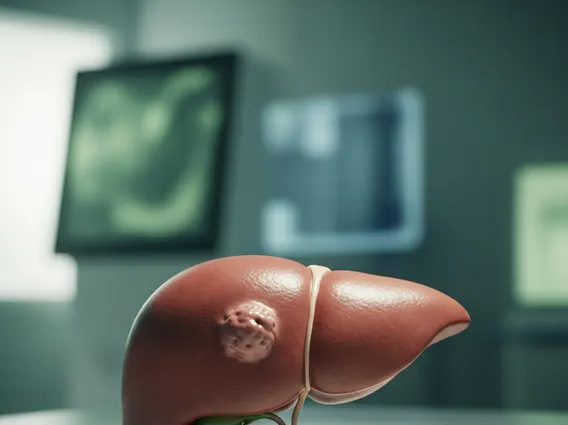
Hepatocellular Carcinoma (HCC) is a type of cancer that starts in the liver. It is the most common form of primary liver cancer, meaning it originates in the liver itself, rather than spreading from another part of the body. Understanding HCC liver cancer is essential due to its significant global health burden. It is often associated with chronic liver inflammation and damage, which can lead to cirrhosis.
Globally, HCC is a leading cause of cancer-related deaths. According to the World Health Organization (WHO), liver cancer, including HCC, is among the top causes of cancer mortality worldwide. The incidence of HCC varies geographically, with higher rates observed in regions where chronic hepatitis B and C infections are more prevalent.
Hepatocellular Carcinoma: Symptoms and Causes
The early stages of Hepatocellular carcinoma symptoms causes are often subtle or non-existent, making early detection challenging. When symptoms do appear, they can be non-specific and may include:
- Unexplained weight loss
- Loss of appetite
- Nausea or vomiting
- Abdominal pain or discomfort, especially in the upper right quadrant
- Fatigue and weakness
- Jaundice (yellowing of the skin and eyes)
- Swelling in the abdomen (ascites) or legs
- Dark urine and pale stools
The primary cause of HCC is chronic liver disease, which leads to cirrhosis in the majority of cases. Key risk factors for developing HCC include:
- Chronic Hepatitis B and C Virus Infection: These viral infections are major global contributors to liver inflammation and subsequent cirrhosis and HCC.
- Alcoholic Liver Disease: Long-term excessive alcohol consumption can lead to liver damage, cirrhosis, and increased HCC risk.
- Non-alcoholic Fatty Liver Disease (NAFLD) and Non-alcoholic Steatohepatitis (NASH): These conditions, often linked to obesity, type 2 diabetes, and metabolic syndrome, are increasingly recognized as significant risk factors.
- Aflatoxin Exposure: This is a toxin produced by certain molds found on crops like peanuts and corn, particularly in tropical regions.
- Hemochromatosis: A genetic disorder causing excessive iron absorption and accumulation in the liver.
Diagnosing and Treating HCC Liver Cancer
HCC diagnosis and treatment options involve a multi-faceted approach, tailored to the individual patient, the stage of the cancer, and the underlying liver function. Diagnosis typically begins with screening high-risk individuals, often involving regular imaging and blood tests.
Diagnosis
Diagnostic methods for HCC include:
| Method | Description |
|---|---|
| Imaging Tests | Ultrasound, CT scans, and MRI scans are used to detect tumors in the liver and assess their size and location. |
| Blood Tests | Alpha-fetoprotein (AFP) is a tumor marker that can be elevated in HCC, though it’s not always conclusive on its own. |
| Biopsy | A liver biopsy, where a small tissue sample is taken and examined under a microscope, can confirm the diagnosis, though it’s not always required if imaging is characteristic. |
Treatment
Treatment strategies for HCC range from curative options for early-stage disease to palliative care for advanced cases. Common treatment modalities include:
- Surgical Resection: Removal of the tumor along with a portion of healthy liver tissue, feasible for single tumors in patients with good liver function.
- Liver Transplantation: A curative option for select patients with early-stage HCC, replacing the diseased liver with a healthy donor liver.
- Locoregional Therapies: These target the tumor directly without affecting the entire body. Examples include radiofrequency ablation (RFA), transarterial chemoembolization (TACE), and stereotactic body radiation therapy (SBRT).
- Systemic Therapies: For advanced HCC, targeted therapies and immunotherapies are used to slow tumor growth and improve survival. These treatments work throughout the body.
The choice of treatment depends on various factors, including the size and number of tumors, the presence of vascular invasion, the patient’s overall health, and the severity of underlying liver disease. A multidisciplinary team of specialists typically collaborates to determine the most appropriate treatment plan.