Hbv
Hbv, commonly known as Hepatitis B virus, is a significant global health concern affecting millions worldwide. This article provides a comprehensive overview of the virus, its impact, and how it is managed.

Key Takeaways
- Hepatitis B virus (HBV) is a liver infection that can cause both acute and chronic disease.
- HBV spreads through contact with infected blood or other bodily fluids, not through casual contact.
- Symptoms can range from mild or absent in acute cases to severe liver damage in chronic infections.
- Effective vaccines are available for prevention, and antiviral medications can manage chronic HBV.
- Early diagnosis through blood tests is crucial for timely intervention and preventing complications.
What is HBV (Hepatitis B Virus)?
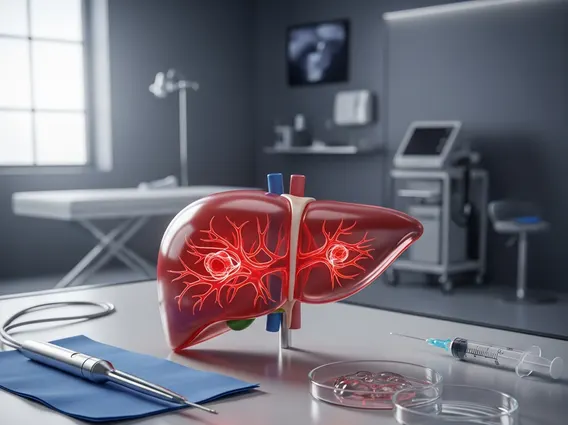
The Hepatitis B virus (HBV) is a viral infection that attacks the liver and can cause both acute and chronic disease. It is one of the most common liver infections globally, posing a serious public health challenge. According to the World Health Organization (WHO), an estimated 296 million people were living with chronic HBV infection in 2019, with 1.5 million new infections each year. This virus can lead to severe health issues, including cirrhosis and liver cancer, if not properly managed.
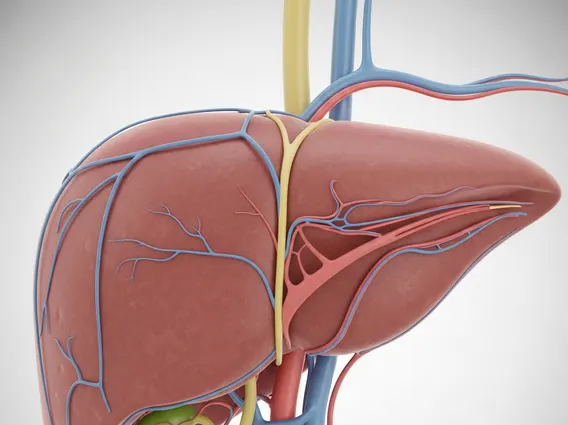
Understanding what is HBV hepatitis B involves recognizing it as a DNA virus that primarily targets liver cells, causing inflammation and damage. While many people experience an acute infection that resolves on its own, others develop a chronic infection, meaning the virus persists in the body for more than six months. Chronic HBV infection significantly increases the risk of developing life-threatening liver diseases over time.
Symptoms, Causes, and Transmission of HBV
Understanding hbv symptoms and causes is crucial for early detection and prevention. The infection is caused by the Hepatitis B virus itself. Symptoms can vary widely depending on whether the infection is acute or chronic. In acute HBV infection, symptoms typically appear 60 to 150 days after exposure and can last for several weeks. Many people, especially children, may not experience any symptoms at all, making it difficult to identify the infection without testing. When symptoms do occur, they often include:
- Fatigue and weakness
- Nausea and vomiting
- Abdominal pain, particularly in the upper right quadrant
- Dark urine
- Clay-colored stools
- Jaundice (yellowing of the skin and eyes)
- Joint pain
Chronic HBV infection often remains asymptomatic for many years, even decades, until serious liver damage has occurred. This silent progression underscores the importance of screening for at-risk individuals. The primary way how does HBV spread and prevention strategies are implemented revolves around understanding its transmission routes. HBV is transmitted through contact with infected blood or other bodily fluids, such as semen and vaginal fluids. Common routes of transmission include:
- Perinatal transmission (from an infected mother to her baby during birth)
- Sexual contact with an infected person
- Sharing needles, syringes, or other drug-injection equipment
- Sharing personal items like razors or toothbrushes that may have traces of blood
- Accidental needle sticks or exposure to blood in healthcare settings
HBV is not spread through casual contact like hugging, kissing, sharing food or drinks, or breastfeeding. Prevention is highly effective through vaccination. The Hepatitis B vaccine is safe and highly effective, offering long-term protection against the virus. Universal vaccination of infants, along with vaccination of at-risk adults, is a cornerstone of global HBV prevention efforts.
Diagnosing and Treating HBV Infection
Effective management of HBV relies on timely diagnosis and appropriate treatment. HBV diagnosis and treatment options have advanced significantly, allowing for better outcomes for those affected. Diagnosis typically involves blood tests that detect specific viral markers, such as Hepatitis B surface antigen (HBsAg), which indicates an active infection. Further tests can determine if the infection is acute or chronic, assess the extent of liver damage, and measure the viral load (amount of virus in the blood).
For acute HBV infection, treatment is usually supportive, focusing on managing symptoms, as most adults clear the virus naturally. However, chronic HBV infection often requires ongoing medical intervention. While there is no cure for chronic HBV, antiviral medications can suppress the virus, reduce liver inflammation, and prevent the progression of liver disease. These medications work by inhibiting viral replication, thereby minimizing damage to the liver. Treatment decisions are individualized, based on factors such as viral load, liver enzyme levels, and the presence of liver damage.
Individuals with chronic HBV require regular monitoring by a healthcare professional to assess liver function, viral activity, and screen for complications like cirrhosis and liver cancer. Adherence to treatment regimens and lifestyle modifications, such as avoiding alcohol, are crucial for managing the condition effectively and improving long-term health outcomes.