Grade III Ductal Carcinoma In Situ
Grade III Ductal Carcinoma In Situ (DCIS) represents a non-invasive form of breast cancer where abnormal cells are confined to the milk ducts. Understanding this condition is crucial for effective management and improved patient outcomes.
Key Takeaways
- Grade III DCIS is a high-grade, non-invasive breast condition where abnormal cells are contained within the milk ducts.
- It is often detected through mammography, as it typically presents without palpable symptoms.
- Diagnosis involves imaging and biopsy to confirm the presence and grade of DCIS.
- Treatment usually includes surgery (lumpectomy or mastectomy), often followed by radiation therapy.
- The prognosis for Grade III Ductal Carcinoma In Situ is generally excellent, especially with timely and appropriate treatment.
What is Grade III Ductal Carcinoma In Situ (DCIS)?
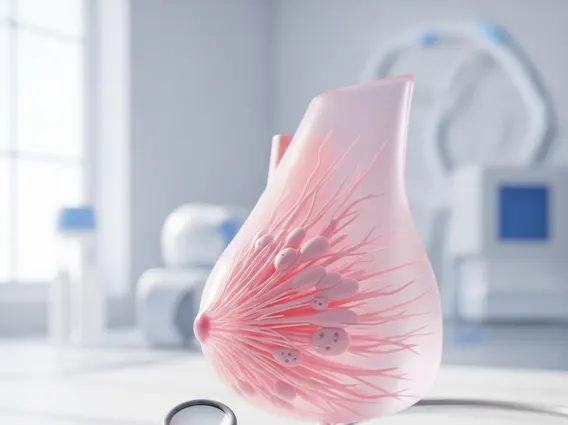
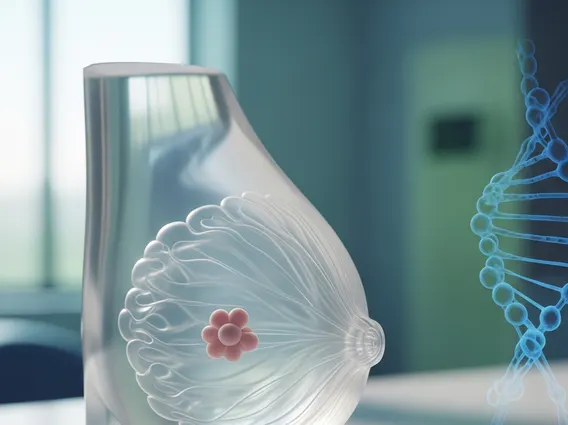
Grade III Ductal Carcinoma In Situ (DCIS) is a non-invasive breast condition characterized by the presence of abnormal cells within the milk ducts of the breast, without spreading into the surrounding breast tissue. The “in situ” designation means “in its original place,” indicating that these cells have not yet invaded beyond the duct walls. The “Grade III” classification signifies that the cells are high-grade, meaning they appear more abnormal and tend to grow more rapidly compared to lower-grade DCIS. This high-grade classification also suggests a higher potential, if left untreated, to progress to invasive breast cancer, though this progression is not guaranteed and can take years.
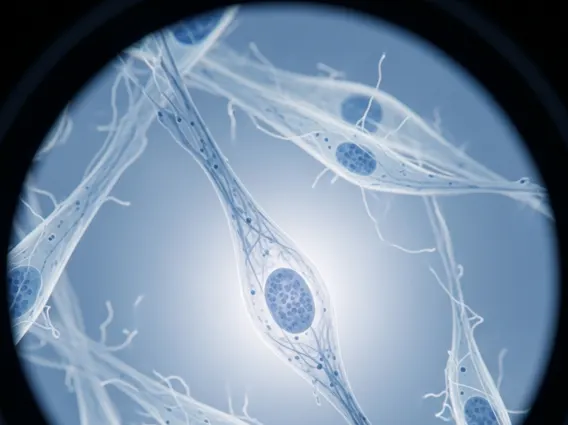
Understanding Grade III Ductal Carcinoma In Situ explained involves recognizing its nature as a precursor lesion. Unlike invasive cancer, DCIS does not have the ability to metastasize (spread to other parts of the body) because the abnormal cells are contained. However, its high-grade nature means that the cells have lost much of their normal appearance and architecture, exhibiting features like pleomorphism (variation in cell size and shape) and a high mitotic rate (rapid cell division). This aggressive cellular behavior within the duct makes careful management essential to prevent potential future invasion.
Symptoms and Diagnosis of High-Grade DCIS
One of the challenging aspects of high-grade DCIS is that it often presents without noticeable symptoms. Most cases are detected incidentally during routine mammography screenings. When symptoms do occur, they are typically subtle and may include a lump that can be felt, nipple discharge, or changes in the breast skin. However, these symptoms are more commonly associated with invasive breast cancer or benign conditions, making screening crucial for early detection of DCIS.
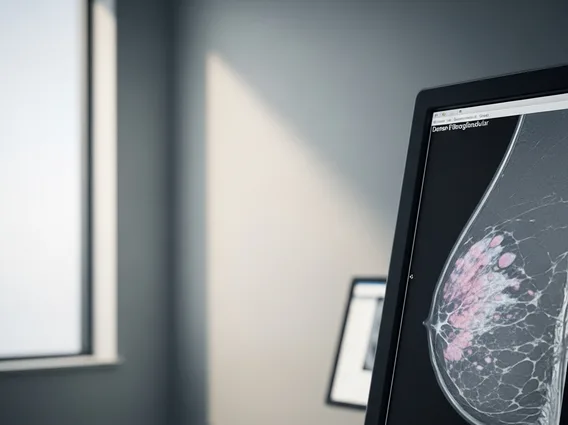
The symptoms and diagnosis of Grade 3 DCIS primarily rely on imaging techniques and biopsy. Mammography is the primary screening tool, often revealing microcalcifications—tiny calcium deposits—which can be a hallmark of DCIS. These microcalcifications may appear as clusters or linear patterns, prompting further investigation. If suspicious findings are noted on a mammogram, additional imaging such as diagnostic mammography, ultrasound, or MRI may be performed to better characterize the area.
Upon identifying a suspicious area, a biopsy is necessary to confirm the diagnosis and determine the grade of DCIS. Common biopsy methods include:
- Stereotactic biopsy: Uses mammography to guide a needle to the suspicious area.
- Ultrasound-guided biopsy: Utilizes ultrasound imaging for needle guidance.
- MRI-guided biopsy: Employed when the abnormality is only visible on MRI.
Pathological examination of the tissue sample confirms whether DCIS is present and assigns its grade (low, intermediate, or high). The presence of Grade III features, such as significant nuclear atypia and necrosis (cell death), confirms the high-grade classification, guiding subsequent treatment decisions.
Treatment Options and Prognosis for Grade III DCIS
The primary goal of treating Grade III DCIS is to remove the abnormal cells and prevent their progression to invasive cancer. Treatment options for high-grade DCIS typically involve surgery, often followed by radiation therapy. The choice of surgical procedure depends on factors such as the size and extent of the DCIS, breast size, and patient preference.
Common surgical approaches include:
- Lumpectomy (breast-conserving surgery): This involves removing only the area of DCIS and a margin of healthy tissue around it. It is often followed by radiation therapy to reduce the risk of recurrence in the remaining breast tissue.
- Mastectomy: In some cases, such as extensive DCIS, multiple areas of DCIS, or if a patient prefers, a mastectomy (removal of the entire breast) may be recommended. Radiation therapy is often not needed after a mastectomy for DCIS.
Hormone therapy, such as tamoxifen, may be considered for some patients with hormone receptor-positive DCIS to reduce the risk of recurrence in either breast. It’s important to note that chemotherapy is generally not used for DCIS because it is non-invasive and has not spread.
The prognosis Grade III Ductal Carcinoma In Situ is generally excellent, particularly with appropriate and timely treatment. When treated effectively, the vast majority of individuals with Grade III DCIS do not develop invasive breast cancer. Recurrence rates after lumpectomy and radiation are low, typically ranging from 5-15% over 10 years, with most recurrences being another DCIS or a new invasive cancer in the same breast. For those who undergo mastectomy, the recurrence risk is even lower. Regular follow-up, including clinical breast exams and mammograms, is crucial after treatment to monitor for any new developments. Early detection and comprehensive treatment strategies contribute significantly to these favorable outcomes.