Grade II Ductal Carcinoma In Situ
Grade II Ductal Carcinoma In Situ (DCIS) is a non-invasive form of breast cancer where abnormal cells are confined to the milk ducts and have not spread into surrounding breast tissue. Understanding this condition is crucial for effective management and peace of mind.
Key Takeaways
- Grade II Ductal Carcinoma In Situ (DCIS) is a non-invasive breast condition where abnormal cells are contained within the milk ducts.
- It is often asymptomatic, typically detected through routine mammograms.
- Diagnosis relies on imaging, followed by a biopsy to confirm the presence and grade of DCIS.
- Treatment options usually include surgery (lumpectomy or mastectomy), often followed by radiation therapy and sometimes hormone therapy.
- The prognosis for Grade II DCIS is generally excellent, especially with early detection and appropriate treatment.
What is Grade II Ductal Carcinoma In Situ (DCIS)?
Grade II Ductal Carcinoma In Situ (DCIS) refers to a condition where abnormal cells are found inside a milk duct in the breast but have not spread through the duct walls into the surrounding breast tissue. It is considered a non-invasive or pre-invasive form of breast cancer. The “Grade II” classification indicates that the cells are moderately abnormal, meaning they are more atypical than Grade I cells but less aggressive than Grade III cells. This grading helps determine the potential for recurrence or progression if left untreated.
DCIS accounts for approximately 20-25% of all breast cancers detected by mammography, highlighting the importance of regular screening for early detection. While not life-threatening in its current state, DCIS is considered a precursor to invasive breast cancer, meaning there is a risk that it could develop into an invasive form if not treated.
Identifying Grade II DCIS: Symptoms and Diagnostic Methods
Grade II DCIS symptoms are typically absent, as the condition usually does not cause a palpable lump or other noticeable signs. Most cases are discovered incidentally during routine mammography screenings, which can detect microcalcifications—tiny calcium deposits that may indicate the presence of abnormal cells within the ducts. In rare instances, DCIS might present as a lump or nipple discharge, but this is less common.
The diagnostic process for DCIS involves several steps to confirm the presence and characteristics of the abnormal cells:
- Mammography: This is the primary screening tool, often revealing suspicious microcalcifications.
- Ultrasound or MRI: These imaging techniques may be used to further evaluate suspicious areas identified on a mammogram, though DCIS is often best visualized with mammography.
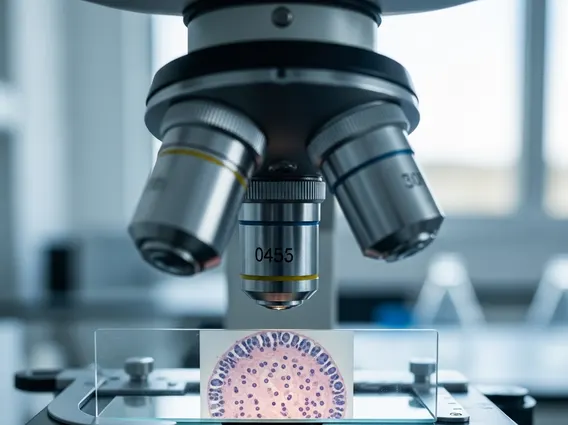
- Biopsy: If imaging suggests DCIS, a biopsy is performed to obtain tissue samples. This can be a core needle biopsy, stereotactic biopsy, or excisional biopsy. A pathologist then examines the tissue under a microscope to confirm the diagnosis of DCIS and determine its grade.
Treatment Approaches and Prognosis for Grade II DCIS
Grade II DCIS treatment options are primarily aimed at removing the abnormal cells and reducing the risk of recurrence or progression to invasive cancer. The choice of treatment depends on several factors, including the size and grade of the DCIS, the patient’s age, and personal preferences. Common treatment approaches include:
- Lumpectomy: This surgical procedure removes the DCIS and a small margin of healthy tissue around it, preserving most of the breast.
- Mastectomy: In cases of extensive DCIS, or if lumpectomy with clear margins is not achievable, a mastectomy (removal of the entire breast) may be recommended.
- Radiation Therapy: Often recommended after a lumpectomy to further reduce the risk of recurrence in the treated breast.
- Hormone Therapy: If the DCIS cells are hormone receptor-positive, medications like tamoxifen or aromatase inhibitors may be prescribed to reduce the risk of future breast cancer development.
The grade 2 dcis prognosis is generally excellent, especially with early detection and appropriate treatment. The vast majority of individuals treated for DCIS do not develop invasive breast cancer. For those who do, it is often a new primary cancer rather than a recurrence of the original DCIS. Regular follow-up care, including mammograms, is essential to monitor for any new developments. According to the American Cancer Society, the 10-year survival rate for women diagnosed with DCIS is close to 100% when treated effectively.