Grade II Dcis
Ductal Carcinoma In Situ (DCIS) represents a non-invasive form of breast cancer where abnormal cells are confined within the milk ducts. Among its classifications, Grade II DCIS denotes an intermediate stage of cellular abnormality, striking a balance between low-grade and high-grade forms.
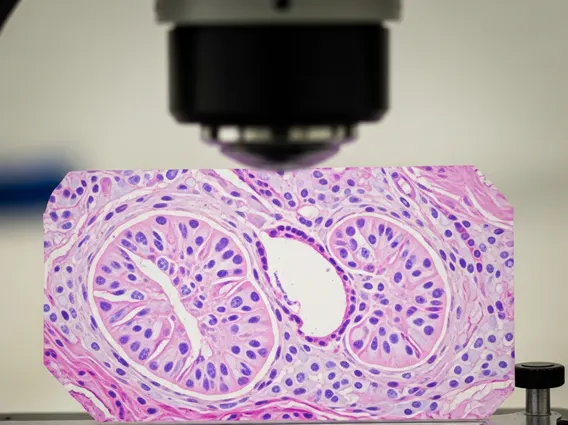
Key Takeaways
- Grade II DCIS is a non-invasive breast condition where abnormal cells are contained within milk ducts.
- It is typically asymptomatic and often detected through routine mammograms, appearing as microcalcifications.
- Prognosis for Grade II DCIS is generally excellent due to its non-invasive nature and high curability with appropriate treatment.
- Treatment options commonly include surgery (lumpectomy or mastectomy), often followed by radiation therapy.
- Individualized treatment plans are crucial, considering patient factors and tumor characteristics.
What is Grade Ii Dcis?
Grade II DCIS, or Ductal Carcinoma In Situ, refers to a condition where abnormal cells are found within the milk ducts of the breast but have not spread into the surrounding breast tissue. It is considered a non-invasive form of breast cancer, meaning the cells are “in situ” (in place) and lack the ability to metastasize. The “Grade II” designation indicates an intermediate level of cellular abnormality, falling between low-grade (Grade I) and high-grade (Grade III) DCIS based on the appearance of the cells under a microscope and their growth rate. These cells show some features of malignancy but are not as aggressive as those seen in Grade III DCIS.
DCIS is the most common type of non-invasive breast cancer, accounting for approximately 20-25% of all newly diagnosed breast cancers in the United States, largely due to increased mammography screening. (Source: American Cancer Society). While not life-threatening in itself, if left untreated, Grade II DCIS has the potential to progress to invasive breast cancer in a subset of cases.
Recognizing Grade II DCIS Symptoms and Prognosis
One of the most important aspects of grade 2 dcis symptoms is their typical absence. Most individuals with Grade II DCIS do not experience any noticeable symptoms such as a lump or pain. Instead, it is predominantly discovered during routine screening mammograms. On a mammogram, Grade II DCIS often appears as clusters of tiny calcium deposits, known as microcalcifications. These microcalcifications are usually the first, and often only, sign that prompts further investigation, such as a biopsy, to confirm the diagnosis.
The grade ii dcis prognosis and outlook are generally very favorable. Because the abnormal cells are confined to the milk ducts and have not invaded surrounding tissues, Grade II DCIS is highly curable with appropriate treatment. The risk of recurrence after treatment is low, and the vast majority of patients go on to live healthy, cancer-free lives. Factors influencing individual prognosis can include the size and extent of the DCIS, the presence of clear surgical margins, and the patient’s overall health. Regular follow-up after treatment is essential to monitor for any potential recurrence or the development of new breast issues.
Grade II DCIS Treatment Options and Management
The selection of grade ii dcis treatment options is highly individualized, taking into account the extent of the DCIS, its characteristics, and patient preferences. The primary goal of treatment is to remove the abnormal cells and prevent potential progression to invasive cancer. Common treatment approaches include:
- Lumpectomy: This surgical procedure involves removing only the area of the breast containing the DCIS and a small margin of healthy tissue around it. It is often followed by radiation therapy to reduce the risk of recurrence in the remaining breast tissue.
- Mastectomy: In cases where the DCIS is widespread within the breast, or if a lumpectomy cannot achieve clear margins, a total mastectomy (removal of the entire breast) may be recommended. Radiation therapy is typically not needed after a mastectomy for DCIS.
- Radiation Therapy: Often recommended after lumpectomy, radiation therapy uses high-energy rays to destroy any remaining abnormal cells in the breast. This significantly lowers the chance of DCIS returning or developing into invasive cancer.
- Hormone Therapy: For DCIS that is hormone receptor-positive, medications like tamoxifen or aromatase inhibitors may be prescribed after surgery to reduce the risk of recurrence. These therapies block the effects of hormones that can fuel cancer cell growth.
After initial treatment, ongoing surveillance, including regular mammograms and clinical breast exams, is crucial. While Grade II DCIS has an excellent prognosis, adherence to follow-up care is vital for long-term management and early detection of any new concerns.