Gout
Gout is a common and complex form of inflammatory arthritis characterized by sudden, severe attacks of pain, swelling, redness, and tenderness in one or more joints, most often the big toe. It occurs when urate crystals accumulate in a joint, causing inflammation and intense pain.
Key Takeaways
- Gout is a type of arthritis caused by the buildup of uric acid crystals in the joints, leading to sudden, severe pain and inflammation.
- Symptoms typically include intense joint pain, often in the big toe, accompanied by swelling, redness, and tenderness.
- Risk factors include diet high in purines, alcohol consumption, obesity, and certain medical conditions or medications.
- Treatment involves medications to manage acute attacks and lower uric acid levels, alongside significant dietary and lifestyle modifications.
- A balanced diet that limits purine-rich foods and promotes hydration is crucial for managing Gout and preventing future flares.
What is Gout and Its Symptoms?
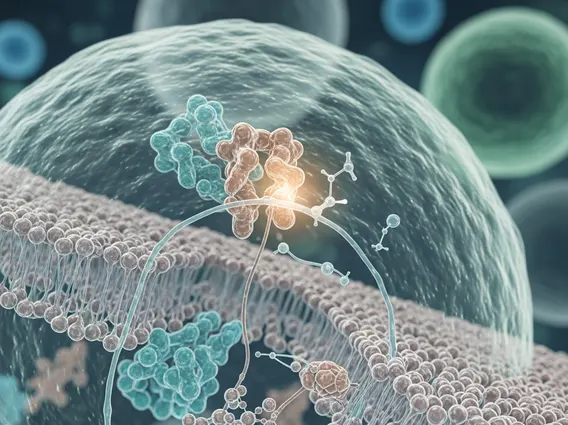
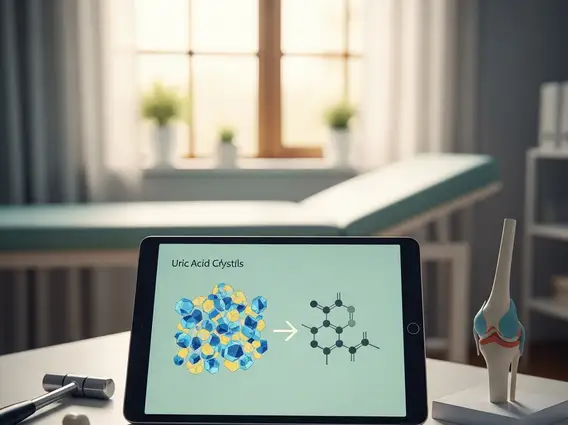
Gout is a form of arthritis that develops when there is an excess of uric acid in the body, a condition known as hyperuricemia. This excess uric acid can form sharp, needle-like crystals in a joint, leading to sudden and severe episodes of pain, swelling, and tenderness. While it can affect any joint, it most commonly impacts the joint at the base of the big toe.
Understanding what is gout and its symptoms is crucial for early diagnosis and management. The symptoms of a Gout attack, often called a flare, typically appear suddenly and can be debilitating. These symptoms often include:
- Intense joint pain: This is the most prominent symptom, often affecting the big toe, but can also occur in ankles, knees, elbows, wrists, and fingers. The pain is usually most severe within the first 4-12 hours after it begins.
- Inflammation and redness: The affected joint becomes swollen, tender, and red, indicating a strong inflammatory response.
- Tenderness: Even light touch or pressure on the affected joint can be excruciating.
- Limited range of motion: As Gout progresses, it may become difficult to move the affected joint normally.
These attacks can last for several days to weeks, even without treatment, and may recur over time if the underlying uric acid levels are not managed. According to the Centers for Disease Control and Prevention (CDC), Gout affects approximately 9.2 million adults in the United States, highlighting its prevalence and impact on public health.
Causes and Risk Factors of Gout
The primary cause of Gout is hyperuricemia, a condition where there are abnormally high levels of uric acid in the blood. Uric acid is a waste product formed when the body breaks down purines, substances found naturally in the body and in certain foods. Normally, uric acid dissolves in the blood and is excreted through the kidneys in urine. However, if the body produces too much uric acid or the kidneys excrete too little, it can accumulate and form urate crystals in the joints and surrounding tissues, triggering Gout attacks.
Several factors contribute to the development of Gout, making it important to understand the causes and risk factors of gout:
- Diet: Consuming a diet rich in purines, such as red meat, organ meats (liver, kidneys), and certain seafood (shellfish, anchovies, sardines), can increase uric acid levels.
- Alcohol consumption: Beer and spirits, in particular, can increase uric acid production and reduce its excretion by the kidneys.
- Sugary drinks: Beverages sweetened with fructose can also elevate uric acid levels.
- Obesity: Being overweight or obese increases the body’s production of uric acid and reduces its excretion.
- Medical conditions: Certain health issues like untreated high blood pressure, diabetes, metabolic syndrome, heart and kidney diseases are associated with an increased risk of Gout.
- Certain medications: Thiazide diuretics (used for hypertension) and low-dose aspirin can increase uric acid levels.
- Genetics: A family history of Gout increases an individual’s likelihood of developing the condition.
- Age and sex: Gout is more common in men, particularly between the ages of 30 and 50, and in women after menopause.
Treating Gout: Medications and Dietary Management
Effective management of Gout involves both treating acute attacks and preventing future flares by lowering uric acid levels. The best ways to treat gout pain typically involve a combination of medication and significant lifestyle adjustments. During an acute attack, the goal is to reduce pain and inflammation quickly.
Medications for acute Gout attacks include:
- Nonsteroidal anti-inflammatory drugs (NSAIDs): Such as ibuprofen or naproxen, often prescribed at higher doses to reduce pain and inflammation.
- Colchicine: This medication can effectively reduce Gout pain if taken within 24 hours of an attack’s onset.
- Corticosteroids: Medications like prednisone can reduce inflammation and pain, especially for individuals who cannot take NSAIDs or colchicine.
For long-term management and prevention of recurrent attacks, urate-lowering therapies (ULTs) are prescribed. These medications work by reducing the amount of uric acid in the body. Common ULTs include allopurinol and febuxostat, which decrease uric acid production, and probenecid, which helps the kidneys excrete more uric acid.
Alongside medication, diet for gout sufferers what to eat and avoid plays a critical role in managing the condition. Dietary management focuses on reducing purine intake and maintaining a healthy weight:
| Foods to Limit/Avoid | Foods to Encourage |
|---|---|
| Red meat and organ meats (liver, kidney) | Fruits and vegetables (most types) |
| Certain seafood (shellfish, anchovies, sardines) | Whole grains (oats, brown rice, whole-wheat bread) |
| Alcohol (especially beer and spirits) | Low-fat dairy products |
| Sugary drinks and foods high in fructose | Plenty of water and other non-alcoholic fluids |
Staying well-hydrated helps the kidneys excrete uric acid more efficiently. While dietary changes are crucial, they are supportive measures and do not replace prescribed medical treatment. Always consult with a healthcare professional for a personalized treatment plan.