Gonadotropin Releasing Hormone
Gonadotropin Releasing Hormone (GnRH) is a crucial hormone that plays a central role in the human reproductive system. Produced in the brain, it orchestrates a complex cascade of events essential for sexual development and fertility.
Key Takeaways
- GnRH is a hypothalamic hormone that regulates the release of other reproductive hormones.
- It stimulates the pituitary gland to produce luteinizing hormone (LH) and follicle-stimulating hormone (FSH).
- GnRH’s pulsatile release is critical for its proper function in both male and female reproductive processes.
- Dysregulation of GnRH can lead to various reproductive disorders and is targeted in some medical treatments.
What is Gonadotropin Releasing Hormone (GnRH)?
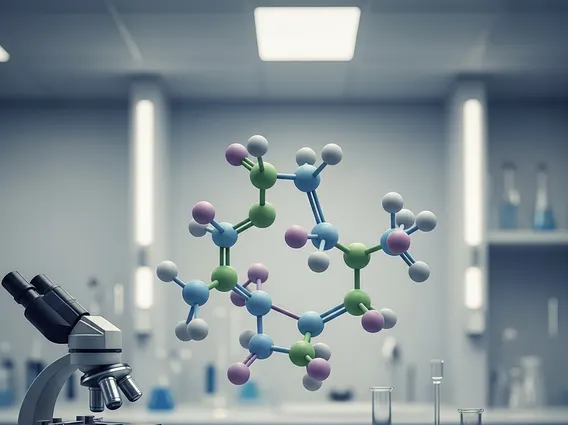
Gonadotropin Releasing Hormone (GnRH) is a decapeptide (a peptide consisting of ten amino acids) synthesized and released by specialized neurons located in the arcuate nucleus and preoptic area of the hypothalamus, a crucial region of the brain. This vital hormone acts as the primary regulator of the hypothalamic-pituitary-gonadal (HPG) axis, which is the central hormonal pathway controlling reproductive function in humans. The GnRH function in human body is to initiate the complex hormonal cascade necessary for sexual maturation, puberty, and ongoing fertility throughout an individual’s reproductive lifespan.
Once synthesized, GnRH is released in a pulsatile manner into the hypophyseal portal system, a specialized network of blood vessels that carries it directly to the anterior pituitary gland. Here, GnRH binds to specific G protein-coupled receptors on gonadotroph cells. This binding stimulates these cells to synthesize and release two other critical hormones: luteinizing hormone (LH) and follicle-stimulating hormone (FSH), collectively known as gonadotropins. This intricate process is fundamental to how Gonadotropin Releasing Hormone explained contributes to the body’s overall endocrine balance, ensuring proper reproductive health and development. Understanding this initial step is key to comprehending the broader mechanisms of human reproduction.
How GnRH Works in Reproduction
The mechanism by which GnRH orchestrates reproductive processes is highly sophisticated and critically dependent on its pulsatile release. Instead of continuous secretion, GnRH is released in discrete bursts, or pulses, at regular intervals. The frequency and amplitude of these pulses are precisely regulated, varying significantly based on factors such as sex, developmental stage, and the specific phase of the reproductive cycle. For instance, during the follicular phase of the female menstrual cycle, GnRH pulse frequency increases, while during the luteal phase, it slows down. This pulsatile pattern is absolutely essential for proper function; continuous, non-pulsatile GnRH stimulation paradoxically leads to desensitization of the pituitary gonadotroph cells, effectively shutting down LH and FSH release. This principle is utilized in certain medical treatments, such as for prostate cancer or precocious puberty, where continuous GnRH agonists are used to suppress gonadotropin production.
Upon stimulation by GnRH, the anterior pituitary releases LH and FSH, which then travel through the bloodstream to the gonads (testes in males, ovaries in females). Their specific roles in reproduction include:
- In Females:
- FSH: Stimulates the growth and development of ovarian follicles, which contain the eggs. It also promotes estrogen production by these follicles.
- LH: Triggers ovulation, the release of a mature egg from the ovary. It also stimulates the formation of the corpus luteum from the ruptured follicle and promotes its production of progesterone, essential for maintaining a potential pregnancy.
- In Males:
- LH: Acts on the Leydig cells within the testes, stimulating them to produce testosterone, the primary male sex hormone responsible for secondary sexual characteristics and libido.
- FSH: Targets the Sertoli cells in the seminiferous tubules, supporting spermatogenesis (the production and maturation of sperm).
This coordinated action of GnRH, LH, and FSH forms the backbone of the reproductive system, ensuring the cyclical changes in females necessary for fertility and the continuous production of sperm and testosterone in males. Disruptions in this delicate balance, whether due to genetic factors, environmental influences, or medical conditions, can lead to various reproductive disorders, highlighting the indispensable role of GnRH in both male and female reproductive health.