
Glycemia
Glycemia refers to the concentration of glucose (sugar) in the blood, a vital measure for understanding metabolic health. Maintaining balanced blood glucose levels is crucial for overall well-being, as both excessively high and low levels can lead to significant health complications.
Key Takeaways
- Glycemia is the medical term for blood glucose concentration, essential for energy.
- Both high (hyperglycemia) and low (hypoglycemia) glycemia can cause serious health issues.
- Symptoms vary widely, from increased thirst and fatigue to dizziness and confusion.
- Regular monitoring and lifestyle adjustments are key to understanding and managing glycemia levels.
- Effective glycemia management often involves diet, exercise, and sometimes medication, guided by healthcare professionals.
What is Glycemia and Its Meaning?
Glycemia is the scientific term used to describe the amount of glucose present in the bloodstream. Glucose, a simple sugar, is the primary source of energy for the body’s cells, particularly the brain. It is derived from the carbohydrates we consume through our diet. The body tightly regulates glycemia through hormones like insulin and glucagon, produced by the pancreas, to ensure cells receive a constant energy supply while preventing harmful fluctuations.
The meaning of glycemia extends beyond a simple number; it reflects the body’s ability to process and utilize glucose effectively. Normal glycemia levels are typically maintained within a narrow range, indicating a healthy metabolic balance. Deviations from this range, whether too high or too low, can signal underlying health conditions such as diabetes or other metabolic disorders, necessitating medical attention and management.
Glycemia Symptoms and Causes
Fluctuations in glycemia can manifest through a variety of symptoms, depending on whether blood glucose levels are too high (hyperglycemia) or too low (hypoglycemia). Recognizing these signs is crucial for timely intervention.
Symptoms of high glycemia (hyperglycemia) often develop gradually and can include:
- Increased thirst and frequent urination
- Fatigue and weakness
- Blurred vision
- Unexplained weight loss
- Slow-healing sores or frequent infections
Common causes of hyperglycemia include insufficient insulin production or resistance to insulin’s effects, often seen in type 1 and type 2 diabetes. Other factors can be diet high in carbohydrates, lack of physical activity, stress, certain medications, and illness.
Conversely, symptoms of low glycemia (hypoglycemia) can appear more suddenly and may include:
- Dizziness and lightheadedness
- Sweating and tremors
- Confusion and irritability
- Rapid heartbeat
- Extreme hunger
Hypoglycemia can be caused by taking too much insulin or other glucose-lowering medications, skipping meals, excessive physical activity without adequate carbohydrate intake, or alcohol consumption. In rare cases, certain medical conditions or tumors can also lead to low blood sugar.
Understanding Glycemia Levels and Management
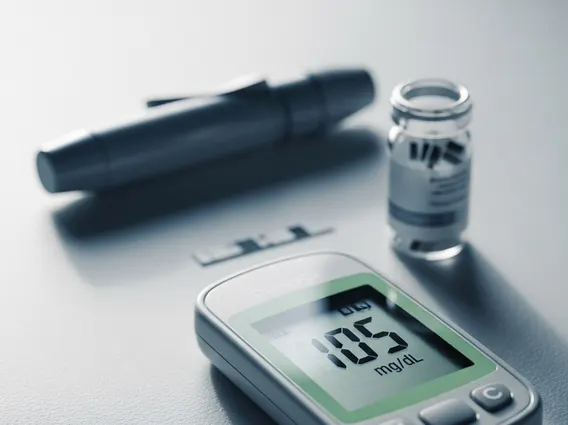
Understanding glycemia levels is fundamental for preventing and managing conditions like diabetes. Regular monitoring through blood tests is the primary method. A fasting blood glucose test measures blood sugar after an overnight fast, while a post-meal test checks levels after eating. The A1C test provides an average blood glucose level over the past two to three months, offering a broader picture of long-term control. According to the World Health Organization (WHO), diabetes affects over 422 million people globally, emphasizing the widespread need for effective glycemia monitoring and management.
Effective information about glycemia management typically involves a multi-faceted approach centered on lifestyle modifications and, when necessary, medication. Dietary changes, such as reducing intake of refined sugars and processed foods while increasing fiber and lean proteins, play a significant role. Regular physical activity helps improve insulin sensitivity and lowers blood glucose levels. For individuals with diabetes, prescribed medications, including insulin or oral hypoglycemic agents, are often essential to maintain target glycemia levels. Consistent communication with healthcare professionals is vital to tailor a management plan that suits individual needs and health goals, ensuring optimal control and minimizing the risk of complications.



















