
Glutathione S Transferase
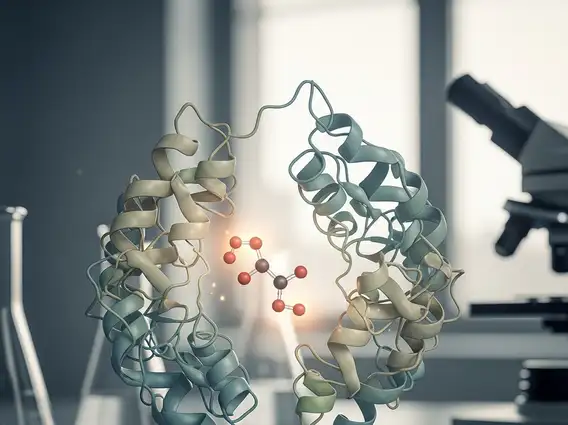
Glutathione S Transferase (GST) represents a crucial family of enzymes vital for cellular detoxification and protection against harmful compounds. These enzymes play a significant role in maintaining cellular health by neutralizing a wide array of toxic substances within the body.
Key Takeaways
- Glutathione S Transferase (GST) is a superfamily of enzymes essential for detoxification processes.
- GSTs catalyze the conjugation of reduced glutathione with various harmful electrophilic compounds, aiding their excretion.
- They protect cells from damage caused by environmental toxins, carcinogens, and products of oxidative stress.
- These enzymes are critical for drug metabolism, influencing the body’s response to therapeutic agents.
- Genetic variations in GSTs can impact an individual’s susceptibility to diseases and drug efficacy.
What is Glutathione S Transferase (GST)?
Glutathione S Transferase (GST) refers to a superfamily of multifunctional enzymes found in nearly all living organisms, from bacteria to humans. These enzymes are pivotal in the phase II detoxification pathway, primarily responsible for catalyzing the conjugation of reduced glutathione (GSH) with a diverse range of electrophilic compounds. This crucial biochemical reaction transforms potentially harmful, lipophilic substances into more water-soluble derivatives, significantly facilitating their excretion from the body via urine or bile.
GSTs are broadly categorized into several classes, including cytosolic (alpha, mu, pi, theta, zeta, omega, kappa), mitochondrial, and microsomal forms, each exhibiting distinct structural characteristics and substrate specificities. Their widespread presence throughout the body, particularly in high concentrations in the liver, kidneys, lungs, and intestines, underscores their critical role in protecting cells and tissues from a constant influx of endogenous and exogenous toxins. The detoxification process mediated by GSTs is a fundamental mechanism that safeguards cellular integrity against environmental pollutants, therapeutic drugs, and damaging products of oxidative stress, highlighting their indispensable contribution to overall physiological well-being.
Function and Role of Glutathione S Transferase Enzymes
The primary glutathione s transferase function involves detoxifying a vast array of harmful compounds. These enzymes achieve this by catalyzing the nucleophilic attack of the thiol group of glutathione on electrophilic centers of various substrates. This reaction, known as glutathione conjugation, effectively neutralizes the reactive electrophilic sites and significantly increases the compound’s hydrophilicity. This transformation makes the substances less toxic and much easier for the body to eliminate, preventing their accumulation and subsequent cellular damage.
The glutathione s transferase role in body extends beyond simple detoxification, encompassing several vital physiological processes that are crucial for maintaining health. These include:
- Protection against Oxidative Stress: GSTs play a direct role in neutralizing reactive oxygen species (ROS) and their damaging byproducts, thereby mitigating oxidative damage to cellular components.
- Drug Metabolism: A significant number of therapeutic drugs, including many anticancer agents, are metabolized by GSTs. This enzymatic activity influences drug efficacy, bioavailability, and the potential for adverse drug reactions.
- Carcinogen Detoxification: By conjugating with and neutralizing various carcinogens, GSTs serve as a critical defense mechanism, reducing the risk of DNA damage and subsequent cancer development.
- Endogenous Metabolite Regulation: Certain GSTs are involved in the metabolism and regulation of endogenous compounds, such as bile acids and hormones, contributing to metabolic balance.
The glutathione s transferase enzymes explained in the context of their broad impact highlight their profound importance in maintaining cellular homeostasis and overall systemic health. For instance, genetic variations (polymorphisms) in GST genes are well-documented to influence an individual’s susceptibility to certain diseases, their response to drug treatments, and their capacity to detoxify environmental toxins. Research consistently demonstrates the critical link between GST activity and individual health outcomes, emphasizing their role as key players in the body’s complex defense system.
These enzymes are indispensable components of the body’s defense system, acting as a frontline barrier against a constant influx of potentially harmful substances originating from both internal metabolic processes and external environmental exposures. Their multifaceted roles underscore their significance in protecting biological systems from chemical insults and maintaining physiological balance.



















