Glomerulonephritis
Glomerulonephritis is a serious kidney condition characterized by inflammation of the glomeruli, the tiny filtering units within the kidneys. This inflammation can impair the kidneys’ ability to effectively remove waste products and excess fluid from the blood.
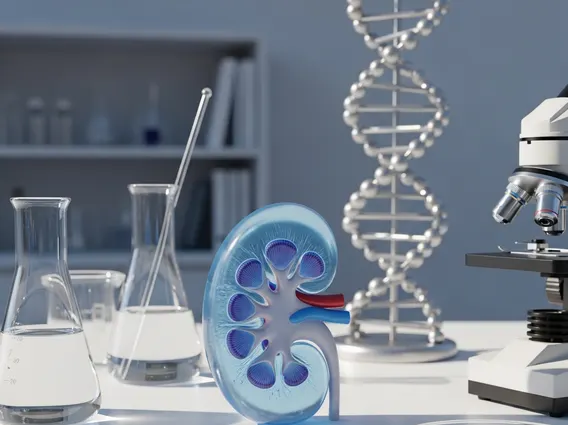
Key Takeaways
- Glomerulonephritis involves inflammation of the kidney’s glomeruli, essential for filtering blood.
- Symptoms can range from subtle (blood in urine, swelling) to severe (kidney failure).
- Causes include infections, autoimmune diseases, and genetic factors, leading to various types.
- Diagnosis typically involves urine tests, blood tests, and often a kidney biopsy.
- Treatment focuses on managing inflammation, controlling blood pressure, and addressing underlying causes to preserve kidney function.
What is Glomerulonephritis?
Glomerulonephritis is a group of kidney diseases characterized by inflammation of the glomeruli. These microscopic filters in the kidneys are responsible for removing waste products, excess salts, and water from the blood, which are then excreted as urine. When the glomeruli become inflamed, their filtering capacity is compromised, leading to a buildup of waste in the body and other complications. This condition can develop suddenly (acute) or gradually over time (chronic), potentially leading to kidney damage or even kidney failure if left untreated.
Glomerulonephritis: Symptoms, Causes, and Types
Understanding the manifestations and origins of this condition is crucial for timely intervention. Glomerulonephritis symptoms and causes vary widely depending on the type and severity of the disease.
Common symptoms may include:
- Hematuria: Blood in the urine, which may appear pink or cola-colored.
- Proteinuria: Excess protein in the urine, leading to foamy urine.
- Edema: Swelling in the face, hands, feet, and abdomen due to fluid retention.
- Hypertension: High blood pressure.
- Fatigue: Due to anemia or kidney dysfunction.
- Reduced urine output.
The causes of glomerulonephritis are diverse. It can be triggered by infections such as strep throat (post-streptococcal glomerulonephritis), viral infections like hepatitis B and C, or HIV. Autoimmune diseases, where the body’s immune system mistakenly attacks its own tissues, are another significant cause, including lupus, IgA nephropathy, and vasculitis. Genetic factors can also play a role in certain forms of the disease.
Types of glomerulonephritis explained often categorize the condition based on its onset and underlying cause:
- Acute Glomerulonephritis: Develops suddenly, often after an infection.
- Chronic Glomerulonephritis: Develops slowly over several years, often with few early symptoms, and can lead to progressive kidney damage.
- Primary Glomerulonephritis: The disease originates in the kidneys themselves, without an identifiable systemic cause (e.g., IgA nephropathy, membranous nephropathy).
- Secondary Glomerulonephritis: Occurs as a complication of another systemic disease, such as lupus or diabetes.
Diagnosing and Treating Glomerulonephritis
Early and accurate diagnosis is vital for managing glomerulonephritis and preventing further kidney damage. Glomerulonephritis diagnosis and treatment strategies are tailored to the specific type and severity of the condition.
Diagnosis typically involves:
- Urine Tests: To detect blood, protein, and white blood cells in the urine.
- Blood Tests: To measure kidney function (creatinine, urea nitrogen levels) and identify markers of inflammation or autoimmune activity.
- Imaging Tests: Ultrasound or CT scans may be used to visualize the kidneys.
- Kidney Biopsy: A definitive diagnostic tool where a small sample of kidney tissue is removed and examined under a microscope to determine the type and extent of damage.
Treatment aims to reduce inflammation, control symptoms, and prevent progression of kidney damage. Approaches may include:
- Medications: Corticosteroids and immunosuppressants to suppress the immune system and reduce inflammation. Diuretics to reduce fluid retention and blood pressure medications (ACE inhibitors or ARBs) to control hypertension and protect kidney function.
- Dietary Changes: Limiting salt, potassium, and protein intake may be recommended.
- Dialysis: If kidney function significantly declines, dialysis may be necessary to filter waste products from the blood.
- Kidney Transplant: In cases of end-stage kidney disease, a kidney transplant may be the ultimate treatment option.
Note: Information on alternative/complementary therapies is supportive only and does not replace conventional medical treatment. Always consult with a healthcare professional for diagnosis and treatment.