
Glandular Cell Of The Cervix
The cervix, a vital part of the female reproductive system, serves as the gateway between the uterus and the vagina. Its health and proper functioning are largely dependent on various cell types, among which glandular cells play a crucial role.
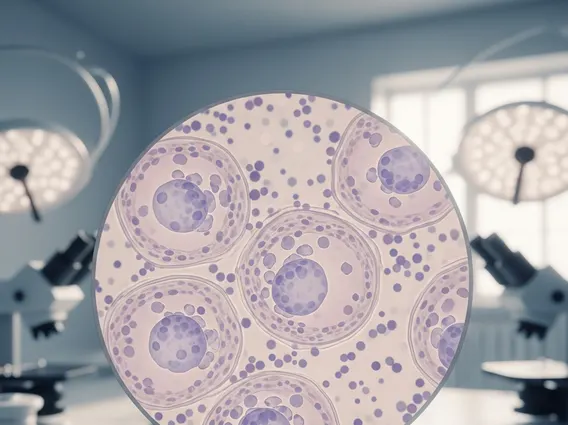
Key Takeaways
- A Glandular Cell Of The Cervix is a specialized cell primarily responsible for producing mucus that lubricates and protects the cervix.
- These cells are located in the endocervix, the canal lining the inside of the cervix, and are distinct from squamous cells.
- Their functions include forming a protective barrier against pathogens and facilitating sperm transport during ovulation.
- The consistency of cervical mucus changes throughout the menstrual cycle, adapting to different physiological needs.
- Different types of glandular cells, such as endocervical glandular cells and subcolumnar reserve cells, contribute to the overall health and function of the cervical environment.
What is a Glandular Cell Of The Cervix?
A Glandular Cell Of The Cervix refers to a specialized epithelial cell found lining the endocervical canal, the inner passage of the cervix. These cells are distinct from the squamous cells that cover the outer portion of the cervix (ectocervix). Understanding the glandular cells in cervix meaning is fundamental to comprehending cervical physiology and pathology. These cells are typically columnar in shape and are characterized by their ability to secrete substances, primarily mucus. The junction where the glandular cells of the endocervix meet the squamous cells of the ectocervix is known as the squamocolumnar junction, a critical area for cervical cancer screening due to its dynamic cellular changes and susceptibility to abnormalities.
Globally, cervical cancer is the fourth most common cancer in women, with an estimated 604,000 new cases and 342,000 deaths in 2020, according to the World Health Organization (WHO). A significant portion of these cancers, known as adenocarcinomas, originate from glandular cells, underscoring the importance of monitoring their health through regular gynecological examinations.
Function of Cervical Glandular Cells
The primary function of cervical glandular cells is the production and secretion of mucus. This cervical mucus is not static; its quantity and consistency change throughout the menstrual cycle in response to hormonal fluctuations. During most of the cycle, the mucus is thick and sticky, forming a plug that acts as a physical and chemical barrier, protecting the upper reproductive tract from bacteria and other pathogens ascending from the vagina. This protective barrier is crucial for maintaining a sterile environment in the uterus and fallopian tubes, preventing infections.
However, around ovulation, the mucus secreted by these glandular cells becomes thin, clear, and more alkaline. This change in consistency is vital for fertility, as it creates a favorable environment for sperm to travel through the cervix and into the uterus, facilitating fertilization. The mucus also provides a medium that nourishes and protects sperm from the acidic vaginal environment, enhancing their viability and motility. Therefore, the dynamic nature of mucus production by these cells is essential for both protection against infection and successful reproduction.
Types of Glandular Cells in the Cervix
While often referred to collectively, the glandular cells in the cervix can exhibit variations in their morphology and location, contributing to the diverse functions of the endocervical lining. These cells are generally columnar and may be ciliated or secretory. The main types are primarily classified by their location and specific secretory products within the endocervical canal.
- Endocervical Glandular Cells: These are the most common type, lining the entire endocervical canal. They are tall, columnar cells with basal nuclei and apical mucin vacuoles, primarily responsible for producing the bulk of cervical mucus. Their main role is to protect the upper reproductive tract and facilitate sperm transport.
- Subcolumnar Reserve Cells: Located beneath the columnar glandular cells, these are undifferentiated cells capable of differentiating into either glandular or squamous cells. They play a crucial role in the regeneration and repair of the cervical epithelium, particularly at the squamocolumnar junction, which is a zone of dynamic cellular change.
- Metaplastic Glandular Cells: These are glandular cells undergoing metaplasia, a process where one mature cell type is replaced by another mature cell type. In the cervix, this often involves glandular cells transforming into squamous cells, particularly in the transformation zone. While a normal physiological process, this area is also where most cervical cancers originate.
Understanding these different types is important for pathologists when interpreting cervical screening results, as abnormalities can arise from any of these cell populations, indicating various conditions from inflammation to precancerous changes or cancer.



















