
Gland
A gland is a vital organ in the body responsible for producing and secreting substances that perform specific functions. These substances, ranging from hormones to digestive enzymes, play crucial roles in maintaining overall health and regulating various bodily processes.
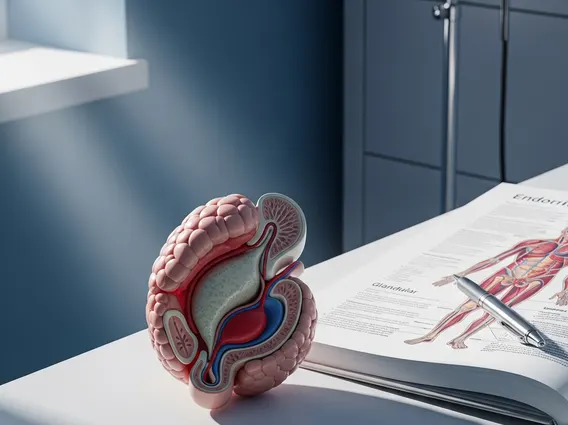
Key Takeaways
- Glands are specialized organs that produce and secrete substances essential for bodily functions.
- They are broadly categorized into endocrine glands (secreting hormones directly into the bloodstream) and exocrine glands (secreting substances into ducts).
- Endocrine glands regulate metabolism, growth, and reproduction, while exocrine glands aid in digestion, lubrication, and protection.
- Disorders can arise from overactivity or underactivity of glands, leading to a range of symptoms affecting multiple body systems.
- Early recognition of symptoms like fatigue, weight changes, or skin issues is crucial for timely diagnosis and management of glandular conditions.
What is a Gland and Its Essential Functions?
Gland refers to an organ in the body that synthesizes substances, such as hormones or enzymes, for secretion. These specialized structures are fundamental to maintaining physiological balance, growth, and reproduction. The essential functions of a gland involve producing and releasing specific chemical messengers or other vital fluids that regulate various bodily processes. For instance, some glands produce hormones that control metabolism, while others generate digestive juices necessary for nutrient absorption. The primary role of a gland is secretion, which can be either internal (into the bloodstream) or external (onto a surface or into a cavity). This activity is meticulously regulated by the nervous system and other hormones, ensuring the body responds appropriately to internal and external changes. Understanding what is a gland and its function is crucial for comprehending how the body maintains homeostasis and responds to various stimuli.
Types of Glands: Endocrine vs. Exocrine Systems
The types of glands in human body are broadly classified into two main categories based on their method of secretion: endocrine glands and exocrine glands. Each type plays distinct roles in maintaining bodily functions.
Endocrine glands are ductless glands that secrete their products, primarily hormones, directly into the bloodstream. These hormones then travel to target cells or organs throughout the body, regulating a wide array of processes such as metabolism, growth, development, reproduction, and mood. Examples include the thyroid gland, pituitary gland, and adrenal glands.
Exocrine glands, conversely, secrete their substances into ducts that lead to an external surface or into an internal cavity. Their secretions typically have a localized effect. Examples include sweat glands, salivary glands, and mammary glands.
To highlight the endocrine and exocrine gland differences, here is a comparative table:
| Feature | Endocrine Glands | Exocrine Glands |
|---|---|---|
| Secretion Method | Directly into bloodstream | Into ducts leading to surfaces/cavities |
| Secretory Products | Hormones | Enzymes, sweat, mucus, saliva, milk, etc. |
| Target Effect | Distant target cells/organs (systemic) | Local effect at the site of secretion |
| Examples | Thyroid, Pituitary, Adrenal, Pancreas (endocrine part) | Sweat, Salivary, Mammary, Pancreas (exocrine part), Liver |
Common Symptoms of Glandular Disorders
Disorders affecting glands can arise from either overactivity (hyperfunction) or underactivity (hypofunction), leading to an imbalance in hormone or substance production. Recognizing common gland disorders symptoms is vital for early diagnosis and effective management. These symptoms can be varied and often affect multiple body systems, making diagnosis challenging.
Some general symptoms that may indicate a glandular disorder include:
- Fatigue and Weakness: Persistent tiredness, even after adequate rest, can be a sign of thyroid issues (hypothyroidism) or adrenal insufficiency.
- Weight Changes: Unexplained weight gain or loss can point to thyroid problems, with hypothyroidism often causing weight gain and hyperthyroidism leading to weight loss.
- Skin and Hair Changes: Dry skin, brittle hair, hair loss, or excessive sweating can be linked to imbalances in thyroid hormones or other endocrine glands.
- Mood Swings and Cognitive Issues: Hormonal fluctuations can significantly impact mood, leading to irritability, anxiety, depression, or difficulty concentrating.
- Digestive Problems: Issues like constipation or diarrhea can sometimes be related to thyroid dysfunction or pancreatic exocrine insufficiency.
- Changes in Blood Pressure or Heart Rate: Adrenal gland disorders or thyroid imbalances can affect cardiovascular function, leading to hypertension or irregular heartbeats.
These symptoms can also indicate other health conditions. Therefore, consulting a healthcare professional for proper diagnosis and treatment is essential if any of these symptoms are experienced persistently. According to the World Health Organization (WHO), endocrine disorders, such as diabetes and thyroid conditions, are among the most prevalent non-communicable diseases globally, underscoring the importance of awareness and timely medical intervention.



















