Gi
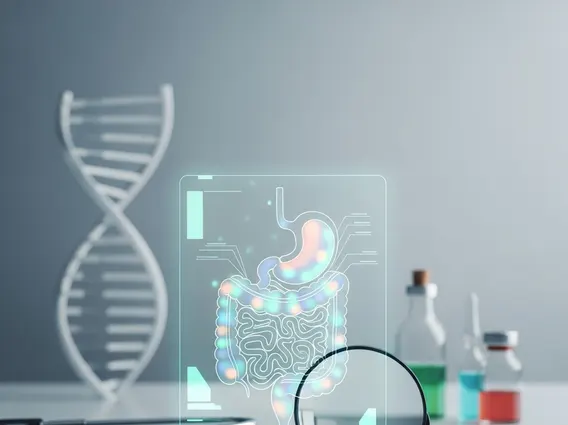
The Gi (Gastrointestinal) system is a complex and vital network of organs responsible for processing food, extracting nutrients, and eliminating waste from the body. Understanding its structure and function is crucial for maintaining overall health and recognizing potential issues.
Key Takeaways
- The Gastrointestinal (GI) system, also known as the digestive tract, is a long, winding tube extending from the mouth to the anus.
- Its primary function involves the digestion of food, absorption of nutrients, and elimination of waste products.
- Key organs include the esophagus, stomach, small intestine, and large intestine, supported by accessory organs like the liver and pancreas.
- Common GI problems range from mild discomforts like constipation to chronic conditions such as Irritable Bowel Syndrome (IBS) and Inflammatory Bowel Disease (IBD).
- Maintaining a healthy GI system is essential for nutrient uptake, immune function, and overall well-being.
What is the Gastrointestinal (GI) System and Its Anatomy?
The Gastrointestinal (GI) system refers to the organ system responsible for consuming food, digesting it to extract energy and nutrients, and expelling the remaining waste material. It is often referred to as the digestive system or the GI tract. The **GI tract** is essentially a long, continuous tube that starts at the mouth and ends at the anus, passing through the chest and abdomen.
The **anatomy of the GI tract** involves a series of hollow organs joined in a long, twisting tube, along with several solid accessory organs. The main components of the GI tract include:
- Mouth: Where digestion begins with chewing and saliva mixing.
- Esophagus: A muscular tube that transports food from the mouth to the stomach.
- Stomach: A muscular organ that churns food and mixes it with digestive juices.
- Small Intestine: The primary site for nutrient absorption, divided into the duodenum, jejunum, and ileum.
- Large Intestine: Absorbs water and electrolytes, forming stool for elimination. It includes the cecum, colon, rectum, and anal canal.
- Anus: The opening at the end of the GI tract through which waste exits the body.
Accessory organs, while not part of the direct GI tract, play crucial roles in digestion. These include the liver, which produces bile; the gallbladder, which stores bile; and the pancreas, which produces digestive enzymes and hormones.
Functions of the GI System
The **GI system function** is multifaceted, primarily focusing on the breakdown of food and the absorption of essential nutrients. This complex process ensures the body receives the energy and building blocks it needs to thrive. The main functions can be categorized into three key stages:
- Digestion: This involves both mechanical and chemical processes. Mechanical digestion includes chewing and the churning action of the stomach, while chemical digestion uses enzymes to break down complex food molecules (carbohydrates, proteins, fats) into simpler forms.
- Absorption: Once food is broken down, nutrients like vitamins, minerals, amino acids, fatty acids, and simple sugars are absorbed primarily in the small intestine into the bloodstream or lymphatic system.
- Elimination: Undigested food material, waste products, and excess water are processed in the large intestine, where water is reabsorbed, and the remaining waste is compacted into stool for excretion through the anus.
Beyond these primary roles, the GI system also plays a significant part in immune function, housing a vast network of immune cells and beneficial bacteria (the gut microbiota) that protect against pathogens and influence overall health.
Common GI Problems and Conditions
A wide range of **common GI problems** can affect the digestive system, leading to discomfort, impaired nutrient absorption, and reduced quality of life. These conditions can vary in severity and impact different parts of the GI tract. According to the National Institute of Diabetes and Digestive and Kidney Diseases (NIDDK), millions of Americans are affected by digestive diseases annually.
Here are some prevalent GI conditions:
| Condition | Brief Description | Common Symptoms |
|---|---|---|
| Gastroesophageal Reflux Disease (GERD) | A chronic condition where stomach acid frequently flows back into the esophagus, irritating its lining. | Heartburn, regurgitation, chest pain, difficulty swallowing. |
| Irritable Bowel Syndrome (IBS) | A common disorder affecting the large intestine, causing abdominal pain, cramping, bloating, gas, and changes in bowel habits. | Abdominal pain, bloating, diarrhea, constipation (or alternating). |
| Inflammatory Bowel Disease (IBD) | A group of chronic inflammatory conditions, primarily Crohn’s disease and ulcerative colitis, that affect the GI tract. | Abdominal pain, severe diarrhea, fatigue, weight loss, malnutrition. |
| Constipation | Infrequent bowel movements or difficulty passing stools, often due to slow movement of food through the large intestine. | Infrequent stools, straining, hard stools, feeling of incomplete evacuation. |
| Diarrhea | Frequent, loose, watery stools, often caused by infections, food intolerances, or underlying conditions. | Frequent watery stools, abdominal cramps, nausea, fever. |
Effective management of these conditions often involves lifestyle modifications, dietary changes, and medical interventions. Consulting a healthcare professional for diagnosis and treatment is essential for anyone experiencing persistent GI symptoms.