Genital
The term Genital refers to the external and internal reproductive organs of humans and other animals. These organs are crucial for reproduction, sexual function, and various physiological processes.
Key Takeaways
- Genitals encompass both external and internal reproductive organs, vital for reproduction and sexual health.
- Understanding genital anatomy explained is essential for recognizing their diverse functions in male and female bodies.
- Awareness of common genital health issues, from infections to functional disorders, is key to early detection and treatment.
- Practicing good genital hygiene tips and regular medical check-ups are fundamental for maintaining overall genital health.
What are Genitals? Anatomy and Function
Genitals are the primary organs involved in sexual reproduction and are broadly categorized into external and internal structures. These organs are fundamental to human biology, facilitating procreation and contributing to sexual identity and sensation. Understanding their structure and function is crucial for overall health awareness.
The intricate design of these organs allows for the production and transport of gametes (sperm and eggs), the process of fertilization, and the development of offspring. Additionally, they play a significant role in hormonal regulation and sexual response. For instance, the testes in males produce testosterone, while the ovaries in females produce estrogen and progesterone, hormones vital for reproductive health and secondary sexual characteristics.
Genital Anatomy Overview
The specific structures of the genitals vary significantly between sexes, each designed for specialized roles. Here is a simplified overview of the key components:
| Sex | External Genitalia | Internal Genitalia |
|---|---|---|
| Male | Penis, Scrotum (containing testes) | Testes, Epididymis, Vas Deferens, Seminal Vesicles, Prostate Gland, Bulbourethral Glands |
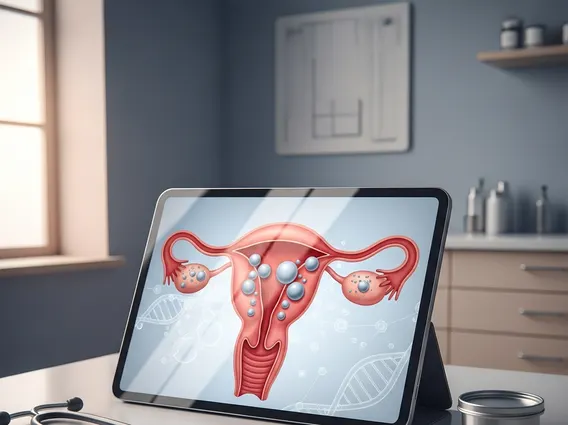
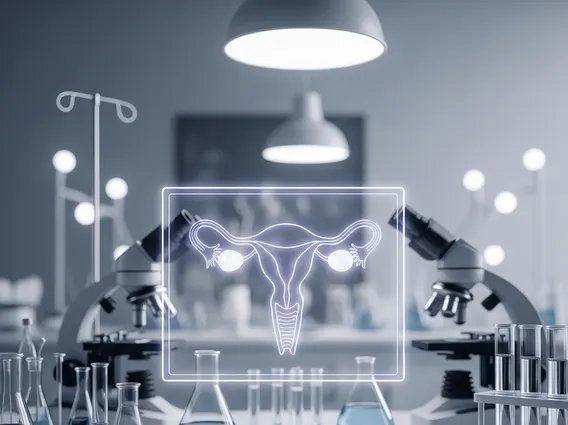
| Female | Vulva (labia majora, labia minora, clitoris, vaginal opening) | Vagina, Uterus, Fallopian Tubes, Ovaries |
Common Genital Health Conditions
A range of conditions can affect the genitals, impacting reproductive health, sexual function, and overall well-being. Recognizing the signs and symptoms of common genital health issues is vital for timely diagnosis and effective treatment. These conditions can arise from infections, hormonal imbalances, anatomical abnormalities, or lifestyle factors.
Sexually transmitted infections (STIs), such as chlamydia, gonorrhea, herpes, and HPV, are prevalent globally, with the World Health Organization (WHO) estimating over 1 million STIs are acquired every day worldwide. Other common issues include yeast infections, bacterial vaginosis in females, and urinary tract infections (UTIs) which can affect both sexes but are more common in females. For males, conditions like erectile dysfunction, benign prostatic hyperplasia (BPH), and testicular issues are also significant concerns. Early detection through regular screenings and prompt medical consultation can prevent complications and improve outcomes.
Genital Hygiene and Care Tips
Maintaining proper hygiene is fundamental to preventing infections and promoting long-term genital health. Good practices can significantly reduce the risk of developing various conditions and ensure comfort. It’s important to use gentle methods and avoid harsh chemicals that can disrupt the natural balance of the genital area.
Beyond daily cleaning, safe sexual practices, including consistent and correct condom use, are crucial for preventing STIs. Regular medical check-ups and open communication with healthcare providers about any concerns are also integral components of comprehensive genital care. Here are some practical genital hygiene tips:
- Wash daily with mild, unscented soap and warm water. Avoid harsh soaps, douches, or perfumed products, especially for female external genitalia, as these can irritate and disrupt natural pH levels.
- For uncircumcised males, gently retract the foreskin and clean underneath it.
- Wear breathable underwear, preferably cotton, to reduce moisture buildup and prevent bacterial or fungal growth.
- After using the toilet, wipe from front to back (for females) to prevent bacteria from the anus entering the urethra or vagina.
- Change tampons or pads regularly during menstruation.
- Stay hydrated and maintain a balanced diet to support overall health, which indirectly benefits genital health.
- Seek medical advice promptly if you notice unusual discharge, odor, itching, pain, or sores.