Gastrointestinal
The Gastrointestinal (GI) system is a complex and vital organ system responsible for processing food, extracting nutrients, and eliminating waste. Understanding its intricate functions and potential health challenges is crucial for maintaining overall well-being.
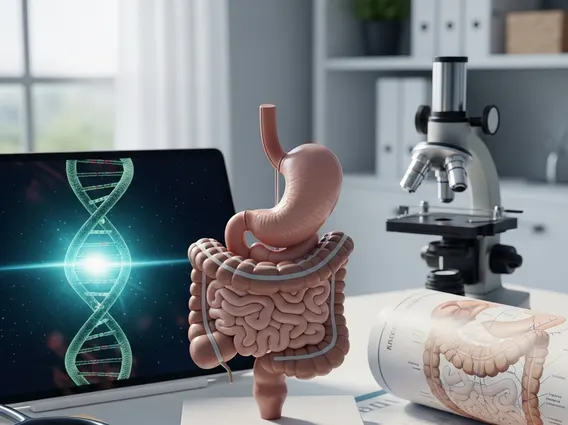
Key Takeaways
- The Gastrointestinal system, also known as the digestive system, is responsible for breaking down food, absorbing nutrients, and expelling waste.
- It comprises the gastrointestinal tract (mouth to anus) and accessory organs like the liver and pancreas.
- The process involves mechanical and chemical digestion, nutrient absorption, and waste elimination through a coordinated effort of various organs.
- Common gastrointestinal problems include conditions like GERD, IBS, and inflammatory bowel diseases.
- Symptoms of gastrointestinal diseases can range from abdominal pain and bloating to changes in bowel habits.
What is the Gastrointestinal System?
The gastrointestinal system, often referred to as the digestive system, is a group of organs working together to convert food into energy and basic nutrients to feed the entire body. It is an extensive system that begins at the mouth and ends at the anus, encompassing a series of hollow organs joined in a long, twisting tube, along with several solid organs.
The primary components of the gastrointestinal tract include the mouth, pharynx, esophagus, stomach, small intestine, large intestine, and anus. Additionally, accessory organs such as the salivary glands, liver, gallbladder, and pancreas play crucial roles by producing enzymes and other substances essential for digestion. This intricate network ensures that ingested food is efficiently processed to support bodily functions.
How the Gastrointestinal Tract Works
The process of digestion, which illustrates how the gastrointestinal tract works, is a remarkable journey that begins the moment food enters the mouth. Mechanical digestion starts with chewing, while chemical digestion begins with enzymes in saliva. Food then travels down the esophagus via a process called peristalsis—wave-like muscle contractions that push food toward the stomach.
In the stomach, food mixes with strong acids and digestive enzymes, breaking it down further into a semi-liquid substance called chyme. This chyme then moves into the small intestine, where the majority of nutrient absorption occurs. The small intestine is lined with villi and microvilli, which significantly increase its surface area for efficient absorption of carbohydrates, fats, proteins, vitamins, and minerals. Finally, the remaining undigested material and water pass into the large intestine, where water is absorbed, and waste products are compacted into stool for elimination through the anus. This entire process is finely regulated by hormones and nerves, ensuring optimal digestion and nutrient uptake.
Common Gastrointestinal Diseases and Symptoms
A wide range of conditions can affect the gastrointestinal system, leading to various health issues. Understanding common gastrointestinal problems and their associated symptoms is vital for early detection and management. These conditions can significantly impact quality of life, ranging from mild discomfort to severe, chronic illnesses.
Some of the most prevalent gastrointestinal conditions include gastroesophageal reflux disease (GERD), irritable bowel syndrome (IBS), inflammatory bowel disease (IBD) such as Crohn’s disease and ulcerative colitis, celiac disease, diverticulitis, and peptic ulcers. According to the National Institute of Diabetes and Digestive and Kidney Diseases (NIDDK), millions of Americans are affected by digestive diseases annually, highlighting their widespread impact.
The gastrointestinal diseases symptoms can vary greatly depending on the specific condition but often include a combination of the following:
- Abdominal pain or cramping
- Bloating and gas
- Nausea and vomiting
- Diarrhea or constipation
- Heartburn or indigestion
- Changes in bowel habits
- Unexplained weight loss
- Blood in stool
If you experience persistent or severe gastrointestinal symptoms, it is important to consult a healthcare professional for an accurate diagnosis and appropriate treatment plan. While some conditions can be managed with lifestyle changes, others may require medication or other medical interventions.