Gastric Feeding Tube
A gastric feeding tube, often referred to as a G-tube, is a medical device designed to provide nutrition, fluids, and medication directly into the stomach. It is a vital intervention for individuals unable to meet their nutritional needs orally due to various medical conditions.
Key Takeaways
- A Gastric Feeding Tube delivers essential nutrients, fluids, and medications directly to the stomach.
- It is indicated for patients who cannot safely or adequately consume food and liquids by mouth.
- Common types include Percutaneous Endoscopic Gastrostomy (PEG) tubes and low-profile “button” tubes, each suited for different long-term needs.
- Proper care involves regular cleaning of the insertion site, flushing the tube, and monitoring for complications.
- Effective management and maintenance are crucial for preventing infections and ensuring patient well-being.
What is a Gastric Feeding Tube?
A Gastric Feeding Tube (G-tube) is a flexible tube inserted through the abdominal wall directly into the stomach. This medical device serves as an alternative route for delivering nutrition, hydration, and medications when an individual cannot consume these orally. Conditions necessitating a G-tube can include severe swallowing difficulties (dysphagia) due to neurological disorders like stroke or Parkinson’s disease, head and neck cancers, severe malnutrition, or congenital abnormalities that impair oral intake. The tube ensures that patients receive adequate caloric and fluid intake, preventing dehydration and malnutrition, which are critical for recovery and overall health.
How Gastric Feeding Tubes Work and Their Types
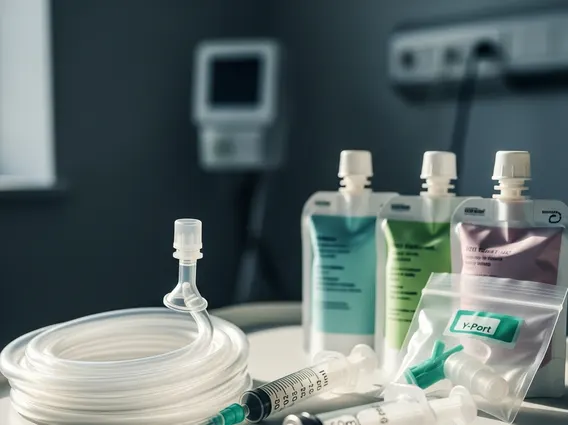
Gastric feeding tubes work by bypassing the mouth and esophagus, allowing liquid formulas, water, and crushed medications to be administered directly into the stomach. This process ensures that the digestive system can still absorb nutrients effectively, even when oral intake is compromised. The method of administration typically involves a syringe or a feeding pump, depending on the volume and rate required. Understanding the different types of gastric feeding tubes is important, as each is designed for specific patient needs and durations of use.
Here is a comparison of common gastric feeding tube types:
| Type of Tube | Description | Typical Use |
|---|---|---|
| Percutaneous Endoscopic Gastrostomy (PEG) Tube | A standard, longer tube inserted endoscopically through the abdominal wall. It has an external port and an internal bumper or balloon to secure it. | Initial placement for long-term feeding, often for several months to years. |
| Low-Profile Gastrostomy Tube (Button) | A shorter, less conspicuous tube that sits flush with the skin. It requires an extension set for feeding and medication administration. | Long-term feeding, particularly for active individuals or children, offering greater comfort and discretion. |
While the fundamental principle of nutrient delivery remains consistent across types, the choice of tube depends on factors such as the anticipated duration of use, patient anatomy, lifestyle, and comfort preferences.
Gastric Feeding Tube Care and Maintenance
Proper gastric feeding tube care and maintenance are essential to prevent complications such as infection, leakage, dislodgement, and tube blockage. Diligent care ensures the tube remains functional and minimizes discomfort for the patient. Healthcare providers typically provide detailed instructions, but general guidelines apply to most G-tubes.
- Site Care: The skin around the tube insertion site must be kept clean and dry. It should be washed daily with mild soap and water, and any dressings should be changed as instructed by a healthcare professional. Look for signs of infection such as redness, swelling, pain, or discharge.
- Flushing: The tube should be flushed with water before and after each feeding and medication administration to prevent blockages. This also helps ensure adequate hydration.
- Monitoring: Regularly check the tube for kinks, cracks, or signs of wear. Ensure the external bumper or balloon is properly positioned to prevent the tube from moving in or out.
- Medication Administration: Medications should be in liquid form or crushed finely and mixed with water before administration. Administer each medication separately, flushing the tube between each dose.
- Dietary Management: Follow the prescribed feeding schedule and formula type. Ensure the formula is at room temperature before administration to prevent gastrointestinal upset.
Any concerns, such as persistent pain, leakage around the site, fever, or difficulty flushing the tube, should be reported to a healthcare provider immediately. Regular follow-up appointments are crucial to assess the tube’s condition and the patient’s nutritional status.