Gastric Cardia Cancer
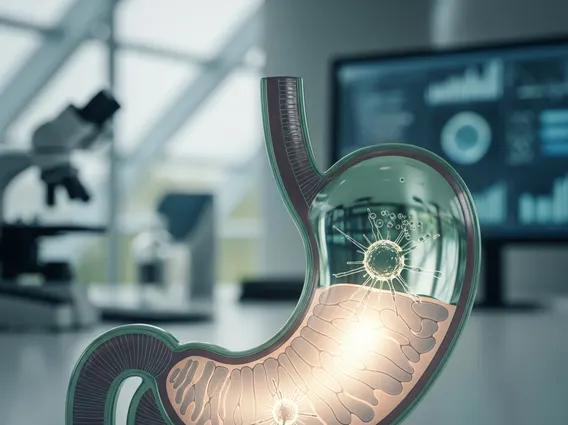
Gastric cardia cancer is a specific type of stomach cancer that originates in the cardia, the upper part of the stomach closest to the esophagus. Understanding this condition is crucial for early detection and effective management.
Key Takeaways
- Gastric cardia cancer develops in the stomach’s upper region, near the esophagus.
- Symptoms often include difficulty swallowing, unexplained weight loss, and persistent indigestion.
- Risk factors can involve chronic acid reflux, obesity, and smoking.
- Diagnosis typically involves endoscopy and biopsy, followed by staging scans.
- Treatment approaches vary but often combine surgery, chemotherapy, and radiation therapy.
What is Gastric Cardia Cancer?
Gastric cardia cancer is a malignancy that arises in the cardia, the uppermost section of the stomach. This area is situated at the junction where the esophagus connects to the stomach, known as the gastroesophageal junction (GEJ). Cancers originating here are often classified based on their precise location relative to the GEJ, with some sharing characteristics of esophageal adenocarcinomas due to their proximity and similar risk factors. The incidence of gastric cardia cancer has been observed to be rising in some Western populations, distinct from other types of stomach cancer whose rates may be declining globally, according to data from organizations like the American Cancer Society.
Recognizing Symptoms and Risk Factors of Gastric Cardia Cancer
Identifying the symptoms of gastric cardia cancer early is crucial for improving prognosis, though many signs can be subtle or mimic less serious conditions. As the disease progresses, symptoms tend to become more pronounced. Common symptoms of gastric cardia cancer include:
- Dysphagia (difficulty swallowing), which may worsen over time.
- Unexplained weight loss and loss of appetite.
- Persistent indigestion, heartburn, or abdominal discomfort.
- Nausea and vomiting, especially after eating.
- Early satiety, feeling full after consuming only a small amount of food.
- Anemia due to chronic blood loss from the tumor.
Several factors contribute to the development of this cancer, influencing the causes of gastric cardia cancer. Key risk factors include chronic gastroesophageal reflux disease (GERD), which can lead to Barrett’s esophagus—a precancerous condition. Obesity is another significant risk factor, as it is often associated with GERD. Other contributing factors include smoking, excessive alcohol consumption, and a diet high in processed foods and low in fruits and vegetables. While not a direct cause, infection with Helicobacter pylori (H. pylori) is a known risk factor for other types of gastric cancer, though its role in cardia cancer is less clear-cut compared to non-cardia gastric cancers.
Gastric Cardia Cancer Treatment Options
The approach to treating gastric cardia cancer treatment options is highly individualized, depending on the cancer’s stage, location, and the patient’s overall health. A multidisciplinary team of specialists typically collaborates to develop a comprehensive treatment plan. The primary goal is to remove the tumor and prevent recurrence, while managing symptoms and improving quality of life.
Common treatment modalities include:
- Surgery: Often the cornerstone of treatment, involving partial or total gastrectomy (removal of part or all of the stomach) along with removal of nearby lymph nodes. The extent of surgery depends on the tumor’s size and spread.
- Chemotherapy: Used before surgery (neoadjuvant) to shrink the tumor, after surgery (adjuvant) to kill remaining cancer cells, or as a primary treatment for advanced or metastatic disease.
- Radiation Therapy: May be used in combination with chemotherapy, especially before or after surgery, to target and destroy cancer cells in the tumor area.
- Targeted Therapy: These drugs focus on specific molecules involved in cancer growth and spread, often used for advanced cancers with particular genetic mutations.
- Immunotherapy: Utilizes the body’s immune system to fight cancer cells, becoming an increasingly important option for certain patients with advanced gastric cardia cancer.
For patients considering complementary or alternative therapies, it is crucial to discuss these with their healthcare team. Such therapies should be viewed as supportive measures and do not replace conventional medical treatment for gastric cardia cancer.