Gastric
Gastric refers to anything pertaining to the stomach, a vital organ in the digestive system. Understanding its anatomy, functions, and common conditions is crucial for maintaining overall health and well-being.
Key Takeaways
- Gastric pertains to the stomach, a key component of the digestive system responsible for initial food breakdown.
- The gastric system utilizes strong acids and enzymes to process food before it moves to the intestines.
- Common gastric conditions include GERD, ulcers, and gastritis, often presenting with symptoms like pain, heartburn, and nausea.
- Effective treatment of gastric issues ranges from lifestyle modifications and medications to surgical interventions in severe cases.
- Prioritizing gastric health through diet, lifestyle, and regular check-ups is essential for optimal digestion and nutrient absorption.
What is Gastric: Anatomy and Function of the System
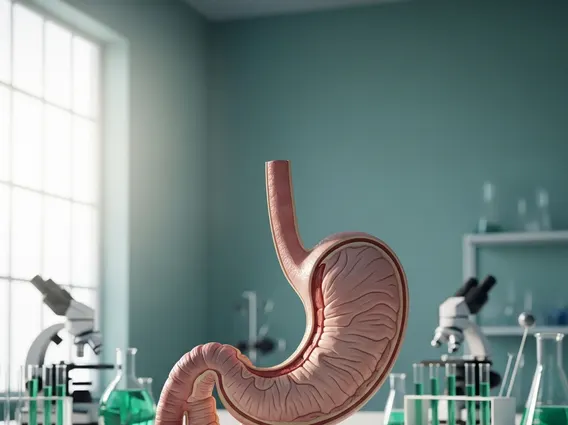
Gastric specifically relates to the stomach, a muscular, J-shaped organ located in the upper abdomen. The gastric system is a critical part of the digestive tract, primarily responsible for the mechanical and chemical breakdown of food before it passes into the small intestine. This process begins when food enters the stomach from the esophagus through a muscular valve called the lower esophageal sphincter.
Once inside, the stomach churns the food, mixing it with gastric juices. These juices contain hydrochloric acid and enzymes, such as pepsin, which are vital for protein digestion. The highly acidic environment (pH 1.5 to 3.5) not only aids in breaking down food but also kills most bacteria and other pathogens ingested with food, providing a protective barrier. After several hours, the stomach transforms the food into a semi-liquid mixture called chyme, which is then gradually released into the duodenum, the first part of the small intestine, for further digestion and nutrient absorption.
Common Gastric Conditions: Symptoms, Causes, and Treatments
Various common gastric conditions can affect the stomach, leading to discomfort and impaired digestion. These conditions often share similar symptoms but have distinct underlying causes and require specific treatments. Understanding these can help in early diagnosis and effective management.
Some prevalent gastric conditions include:
- Gastroesophageal Reflux Disease (GERD): Characterized by frequent acid reflux, where stomach acid flows back into the esophagus, causing heartburn and irritation. Causes often include a weakened lower esophageal sphincter, obesity, or certain foods.
- Gastritis: Inflammation of the stomach lining, which can be acute or chronic. It may be caused by bacterial infection (e.g., Helicobacter pylori), excessive alcohol use, prolonged use of nonsteroidal anti-inflammatory drugs (NSAIDs), or stress.
- Peptic Ulcers: Open sores that develop on the inside lining of the stomach (gastric ulcers) or the upper part of the small intestine (duodenal ulcers). The most common causes are H. pylori infection and long-term NSAID use.
The symptoms of these conditions can range from abdominal pain, bloating, nausea, and vomiting to heartburn, indigestion, and loss of appetite. For instance, approximately 20% of the adult population in Western countries experiences GERD symptoms weekly, according to the American College of Gastroenterology. The causes and treatment of gastric issues vary widely. Treatments often involve lifestyle modifications (dietary changes, weight management), medications (antacids, proton pump inhibitors, antibiotics for H. pylori), and in severe cases, surgical intervention.
Understanding Gastric Health and Optimal Digestion
Maintaining good gastric health is fundamental for overall well-being, as the stomach plays a central role in nutrient absorption and immune function. Optimal digestion ensures that the body efficiently breaks down food and absorbs essential vitamins, minerals, and energy. Several factors contribute to a healthy gastric environment and efficient digestive processes.
Key strategies for promoting gastric health include:
| Aspect | Recommendation |
|---|---|
| Diet | Consume a balanced diet rich in fiber, fruits, and vegetables. Limit processed foods, excessive fats, spicy foods, and acidic beverages. |
| Hydration | Drink plenty of water throughout the day to aid digestion and prevent constipation. |
| Lifestyle | Manage stress effectively, engage in regular physical activity, and avoid smoking and excessive alcohol consumption. |
| Eating Habits | Eat smaller, more frequent meals, chew food thoroughly, and avoid eating late at night. |
| Medication Use | Use NSAIDs and other medications that can irritate the stomach lining cautiously and under medical guidance. |
Regular medical check-ups and prompt attention to persistent digestive symptoms are also vital. Early detection and management of gastric issues can prevent complications and improve long-term digestive function. By adopting these practices, individuals can support their gastric system, ensuring efficient digestion and contributing to a healthier life.