Garden Valerian
Garden Valerian is a perennial flowering plant known for its distinctive root, which has been traditionally used for centuries. It is recognized for its potential calming properties and is a common ingredient in various herbal preparations.
Key Takeaways
- Garden Valerian is a perennial plant primarily cultivated for its root.
- It has a long history of traditional use, particularly for its calming effects.
- Cultivation requires well-drained soil and ample sunlight for optimal growth.
- Its benefits are often associated with promoting relaxation and supporting sleep.
- While used medicinally, it’s considered a complementary therapy and does not replace conventional medical treatment.
What is Garden Valerian?
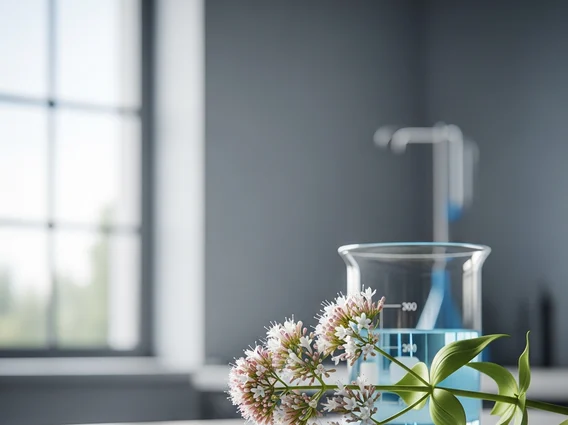
Garden Valerian (scientific name: Valeriana officinalis) refers to a perennial herbaceous plant native to Europe and Asia, now naturalized in North America. It is characterized by its tall, hollow stems, pinnate leaves, and clusters of small, fragrant pink or white flowers. The plant’s common name often refers to the species Valeriana officinalis, which is the primary source of the valerian root used in herbal medicine. The root, rather than the aerial parts, is the most valued component due to its concentration of active compounds. Historically, its use dates back to ancient Greek and Roman times, where it was employed for various ailments.
Cultivation, Benefits, and Medicinal Uses of Garden Valerian
How to grow Garden Valerian
Cultivating Garden Valerian is relatively straightforward, making it a popular choice for herb gardens. It thrives in full sun to partial shade and prefers moist, well-drained soil with a pH between 6.0 and 7.0. Propagation is typically done by seed in spring or by dividing established plants in autumn. The plant can reach heights of 4 to 6 feet, producing flowers in its second year. For medicinal purposes, the roots are usually harvested in the autumn of the second or third year, when their active compounds are most concentrated. After harvesting, the roots are cleaned, dried, and stored for later use.
Garden Valerian plant benefits
The benefits associated with Garden Valerian are primarily linked to its potential effects on the nervous system. While research is ongoing, traditional use and some studies suggest it may contribute to a sense of calm and relaxation. It is often sought after for:
- Supporting restful sleep patterns.
- Helping to alleviate mild anxiety and nervous tension.
- Promoting overall relaxation without significant sedative effects in some individuals.
These benefits are attributed to various compounds found in the root, including valerenic acid, iridoids, and flavonoids, which are believed to interact with gamma-aminobutyric acid (GABA) receptors in the brain.
Garden Valerian medicinal uses
The primary Garden Valerian medicinal uses revolve around its application as a natural aid for sleep and relaxation. It is commonly found in teas, tinctures, and capsules. For instance, a 2020 review published in Phytotherapy Research noted Valerian’s historical use and continued interest in its anxiolytic and sedative properties, although it emphasized the need for more robust clinical trials to confirm efficacy and optimal dosages across diverse populations. It is important to note that while Garden Valerian is widely available as a dietary supplement, it is not approved by the U.S. Food and Drug Administration (FDA) for treating any specific medical condition. Individuals considering its use should consult with a healthcare professional, especially if they are taking other medications or have underlying health conditions. This information is for supportive purposes only and does not replace professional medical treatment or advice.