Gardasil
Gardasil is a vaccine designed to protect against infections caused by certain types of human papillomavirus (HPV). These infections can lead to various cancers and diseases, making vaccination a critical public health measure.
Key Takeaways
- Gardasil is an HPV vaccine that helps prevent infections from specific human papillomavirus types.
- It targets HPV types known to cause cervical, anal, vaginal, vulvar, and oropharyngeal cancers, as well as genital warts.
- The vaccine works by introducing virus-like particles (VLPs) to stimulate an immune response without causing infection.
- Common side effects are generally mild and temporary, such as pain or redness at the injection site.
- Vaccination is recommended for adolescents and young adults to provide protection before potential exposure to HPV.
What is Gardasil: HPV Vaccine Overview
Gardasil refers to a vaccine developed to prevent diseases caused by the human papillomavirus (HPV). Specifically, the most widely used version, Gardasil 9, protects against nine types of HPV: two low-risk types (HPV-6 and HPV-11) that cause approximately 90% of genital warts, and seven high-risk types (HPV-16, HPV-18, HPV-31, HPV-33, HPV-45, HPV-52, and HPV-58) that are responsible for about 90% of cervical cancers and a significant percentage of other HPV-related cancers, including anal, vaginal, vulvar, and oropharyngeal cancers. The Centers for Disease Control and Prevention (CDC) recommends routine HPV vaccination for adolescents aged 11 or 12 years, though it can be given starting at age 9 and up to age 26 for those not adequately vaccinated previously.
Comprehensive Gardasil HPV vaccine information highlights its role in public health by significantly reducing the incidence of HPV infections and related diseases. It is a recombinant vaccine, meaning it is produced using genetic engineering techniques and contains no live virus, making it incapable of causing an HPV infection. The vaccine is administered as a series of injections, typically two or three doses depending on the recipient’s age at the time of the first dose. According to the World Health Organization (WHO), HPV vaccination is a highly effective primary prevention strategy against cervical cancer and other HPV-related diseases.
Mechanism of Action: How Gardasil Protects
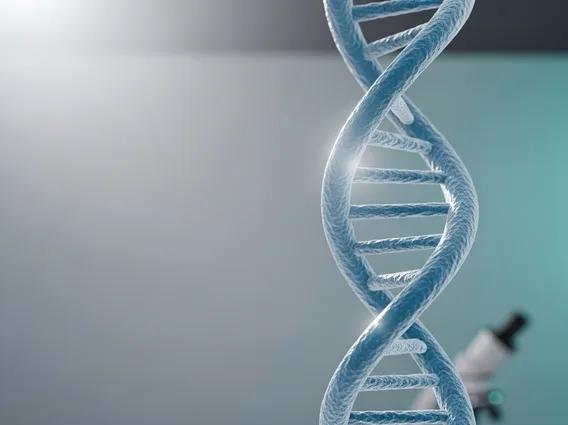
Gardasil works by stimulating the body’s immune system to produce antibodies against specific HPV types. The vaccine contains virus-like particles (VLPs), which are proteins that resemble the outer shell of the HPV virus but do not contain any viral DNA. Because they lack genetic material, VLPs cannot replicate or cause an actual HPV infection. When these VLPs are introduced into the body, the immune system recognizes them as foreign and mounts an immune response, producing antibodies that can neutralize real HPV if the individual is exposed to it in the future.
This mechanism ensures that the vaccinated individual develops immunity without ever being infected with the virus. The antibodies generated by the vaccine provide long-lasting protection, preventing the targeted HPV types from infecting cells and subsequently causing precancerous lesions or cancers. This proactive approach is crucial because HPV infections are often asymptomatic, meaning individuals may not know they are infected until serious health issues arise.
Gardasil Vaccine Side Effects
Like all vaccines, Gardasil can cause side effects, though most are mild and temporary. The most common Gardasil vaccine side effects are typically localized to the injection site. These reactions indicate that the immune system is responding to the vaccine and building protection. Serious side effects are rare, and the benefits of vaccination in preventing HPV-related diseases far outweigh the potential risks.
Common side effects include:
- Pain, redness, or swelling in the arm where the shot was given.
- Headache.
- Fever (low-grade).
- Nausea or dizziness.
Fainting can occur after any injection, including Gardasil, particularly among adolescents. For this reason, it is recommended that individuals remain seated or lying down for about 15 minutes after vaccination. More severe reactions, such as allergic reactions, are extremely rare but can occur. Healthcare providers are prepared to manage such reactions. The safety of Gardasil has been extensively studied and monitored by health authorities worldwide, including the CDC and the U.S. Food and Drug Administration (FDA).