Gamma Irradiation
Gamma Irradiation is a widely utilized process in various medical and industrial fields, leveraging high-energy electromagnetic radiation. This technique is crucial for sterilization and modification of materials, ensuring safety and efficacy in numerous applications.
Key Takeaways
- Gamma Irradiation uses ionizing radiation to sterilize medical devices, pharmaceuticals, and food products.
- It works by damaging the DNA of microorganisms, preventing their reproduction and rendering them inactive.
- Key applications include sterilizing single-use medical equipment and reducing pathogens in food.
- Benefits include high penetration and effectiveness, while risks involve potential material degradation and safety protocols for handling radioactive sources.
What is Gamma Irradiation?
Gamma Irradiation refers to a process that utilizes gamma rays, a form of ionizing electromagnetic radiation, to achieve sterilization or material modification. These high-energy photons are emitted from radioactive isotopes, typically Cobalt-60, and possess significant penetrating power. The primary goal of this process in medical and clinical contexts is to eliminate microorganisms, such as bacteria, viruses, and fungi, from products without significantly raising their temperature, making it a “cold” sterilization method. This ensures the safety and sterility of critical items, particularly those sensitive to heat or chemicals.
How Gamma Irradiation Works
The mechanism of gamma irradiation involves the interaction of high-energy gamma photons with the molecular structure of microorganisms. When gamma rays pass through a material, they transfer energy to electrons within the atoms, leading to ionization. This ionization creates free radicals and other reactive species, which then cause damage to the cellular components of microorganisms, most critically their DNA and RNA. By disrupting the genetic material, gamma irradiation effectively prevents microbial reproduction and renders the organisms inactive or dead. The dose of radiation applied is carefully controlled to achieve the desired level of sterilization while minimizing any potential impact on the product itself. The effectiveness of the process depends on factors such as the initial microbial load, the material’s density, and the absorbed radiation dose.
Applications, Benefits, and Risks of Gamma Irradiation
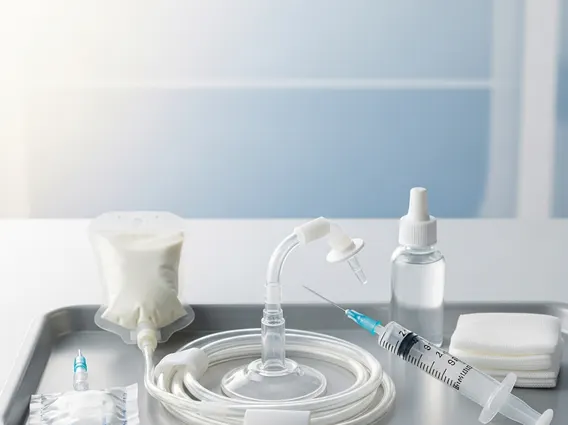
The uses of gamma irradiation are extensive, particularly within the healthcare and pharmaceutical industries. It is widely employed for sterilizing single-use medical devices, such as syringes, surgical gloves, catheters, and implants, where heat or chemical sterilization methods might be unsuitable. Beyond medical applications, gamma irradiation is also used for sterilizing pharmaceuticals, cosmetics, and packaging materials. In the food industry, it helps reduce pathogens, extend shelf life, and control insect infestations in certain products, adhering to strict regulatory guidelines from bodies like the FDA.
- Sterilization of medical devices (e.g., syringes, surgical instruments, implants).
- Decontamination of pharmaceuticals and active pharmaceutical ingredients.
- Reduction of microbial load in food products (e.g., spices, poultry, fruits).
- Sterilization of laboratory equipment and animal feed.
- Cross-linking of polymers to enhance material properties.
Gamma irradiation benefits and risks are important considerations. Benefits include its high penetrating power, allowing for sterilization of packaged products, and its effectiveness against a broad spectrum of microorganisms. It is a reliable and well-established method that leaves no chemical residues. The process can be precisely controlled, ensuring consistent results.
However, there are also risks. Some materials may undergo degradation, such as discoloration or changes in mechanical properties, depending on the radiation dose and material composition. For instance, certain plastics can become brittle. Additionally, the handling and storage of radioactive sources (like Cobalt-60) require stringent safety protocols and regulatory oversight to protect personnel and the environment. The public perception of “radiation” can also be a challenge, despite the safety and efficacy demonstrated over decades of use. Regulatory bodies like the World Health Organization (WHO) and the Centers for Disease Control and Prevention (CDC) provide guidelines and support for the safe implementation of irradiation technologies.