Gamete
Gametes are fundamental biological cells that play a crucial role in sexual reproduction, serving as the vehicles for transmitting genetic information from parents to offspring. Understanding these specialized cells is essential for comprehending the intricate processes of human development, heredity, and the mechanisms of genetic diversity.
Key Takeaways
- Gametes are reproductive cells (sperm and egg) that carry a single set of chromosomes (haploid).
- Their primary function is to fuse during fertilization, forming a diploid zygote that develops into a new organism.
- In humans, male gametes are sperm, characterized by motility, while female gametes are ova (eggs), which are larger and non-motile.
- Gamete formation, known as gametogenesis, involves meiosis, a specialized cell division that reduces the chromosome number by half.
- Spermatogenesis in males continuously produces sperm, whereas oogenesis in females produces a limited number of eggs over a lifetime.
What is a Gamete? Definition and Function
A Gamete is a reproductive cell, or sex cell, that contains a single set of unpaired chromosomes, making it haploid. These specialized cells are indispensable for sexual reproduction, as they carry the genetic material from each parent. The primary gamete definition and function centers on their capacity to fuse during fertilization, combining their haploid sets of chromosomes to restore the diploid state and form a zygote. This newly formed zygote then undergoes successive cell divisions and differentiation to develop into a new organism. Gametes are vital for ensuring genetic diversity within a species, as they facilitate the recombination of genetic information from two distinct individuals, thereby contributing to evolutionary adaptability.
Types of Gametes in Humans
In humans, there are two distinct types of gametes in humans, each possessing specialized structures and fulfilling specific roles in reproduction:
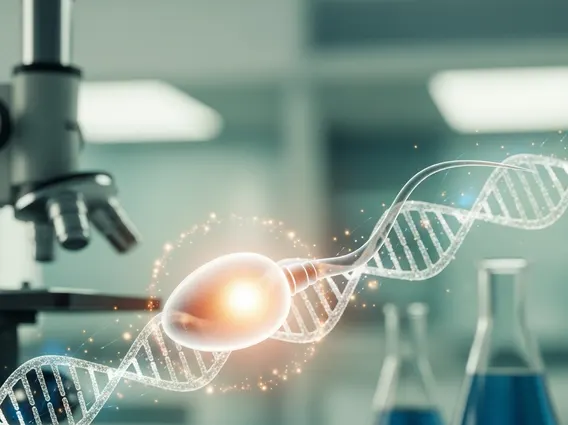
- Sperm (Male Gamete): Produced continuously in the testes from puberty, sperm are remarkably small and highly motile cells. Their structure is optimized for efficient transport towards the egg, comprising a head that houses the haploid nucleus, a midpiece rich in mitochondria to provide energy for movement, and a long tail (flagellum) for propulsion.
- Ovum (Egg, Female Gamete): Developed within the ovaries, the ovum is a significantly larger, non-motile cell. It contains the haploid nucleus along with a substantial amount of cytoplasm packed with nutrients, which are crucial for supporting the initial stages of embryonic development post-fertilization. Females are born with a finite number of primary oocytes, which mature and are released typically one at a time during each menstrual cycle following puberty.
The contrasting characteristics of sperm and ova are perfectly adapted to their respective roles in the complex process of fertilization.
Gamete Formation Process
The gamete formation process, scientifically termed gametogenesis, is a sophisticated biological mechanism underpinned by meiosis, a specialized type of cell division. Meiosis is critical because it reduces the number of chromosomes in a parent cell by half, resulting in four haploid cells. This chromosomal reduction is absolutely essential; when two haploid gametes fuse during fertilization, the resulting zygote correctly restores the species-specific diploid number of chromosomes.
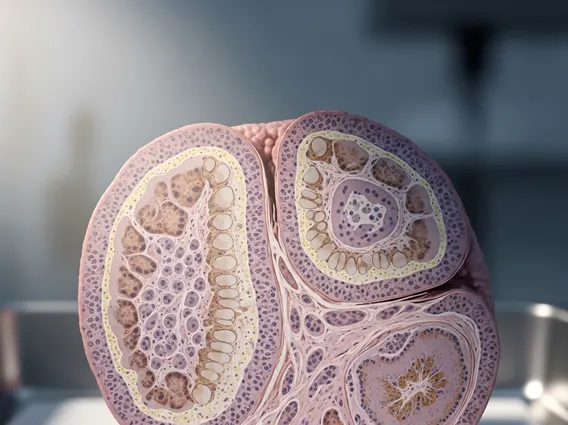
In males, this process is known as spermatogenesis and occurs within the seminiferous tubules of the testes. It commences with diploid spermatogonia, which first undergo mitosis to proliferate, followed by meiosis to produce haploid spermatids. These spermatids then undergo a maturation phase, transforming into fully functional spermatozoa (sperm). Spermatogenesis is a continuous and prolific process that begins at puberty and continues throughout a male’s reproductive life.
In females, the process is called oogenesis and takes place in the ovaries. It begins during fetal development, where diploid oogonia develop into primary oocytes. These primary oocytes then enter meiosis I but arrest at a specific stage until puberty. From puberty until menopause, typically one primary oocyte matures each month, completing meiosis I and initiating meiosis II. Crucially, meiosis II is only completed upon successful fertilization by a sperm, yielding a mature ovum and smaller polar bodies. Unlike the continuous nature of spermatogenesis, oogenesis produces a limited and finite number of mature eggs over a female’s reproductive lifespan.