Gallstone
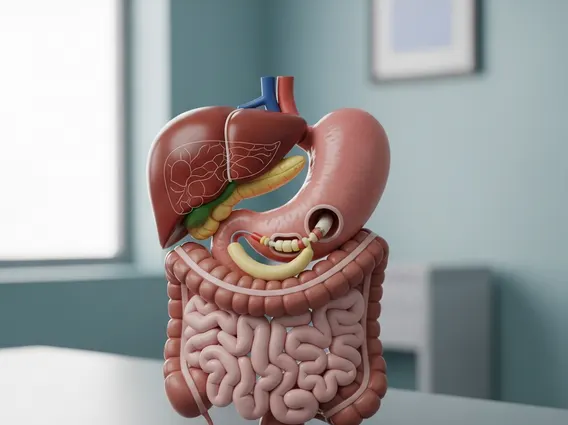
Gallstones are hardened deposits of digestive fluid that can form in your gallbladder, a small, pear-shaped organ on the right side of your abdomen, just beneath your liver. They are a common medical condition that can range from asymptomatic to causing significant pain and complications.

Key Takeaways
- Gallstones are solid particles that form in the gallbladder, primarily composed of cholesterol or bilirubin.
- Symptoms often include sudden and intensifying pain in the upper right abdomen, back pain, or pain between shoulder blades.
- Risk factors for gallstone formation include obesity, rapid weight loss, certain medications, and genetics.
- Treatment options range from watchful waiting for asymptomatic cases to medication or surgical removal of the gallbladder (cholecystectomy).
- Prevention strategies focus on maintaining a healthy weight, adopting a balanced diet, and avoiding rapid weight loss.
Understanding What is Gallstone
A Gallstone refers to a solid particle that forms from bile in the gallbladder. Bile is a digestive fluid produced by the liver and stored in the gallbladder, which helps in the digestion of fats in the small intestine. When substances in bile, such as cholesterol or bilirubin, become too concentrated, they can crystallize and harden into stones.
There are two main types of gallstones: cholesterol gallstones and pigment gallstones. Cholesterol gallstones are the most common type, often appearing yellowish-green, and are primarily made of hardened cholesterol. Pigment gallstones, which are smaller and darker, are made of bilirubin. According to the National Institute of Diabetes and Digestive and Kidney Diseases (NIDDK), an estimated 10-15% of the adult population in developed countries has gallstones, though many remain asymptomatic.
Gallstone Symptoms and Causes
Understanding gallstone symptoms and causes is crucial for early detection and management. Many individuals with gallstones, known as asymptomatic gallstones, may never experience symptoms. However, when a gallstone blocks a bile duct, it can trigger a “gallstone attack,” characterized by sudden and rapidly intensifying pain. Common symptoms include:
- Sudden and rapidly intensifying pain in the upper right portion of your abdomen.
- Pain in your back, between your shoulder blades.
- Pain in your right shoulder.
- Nausea or vomiting.
- Jaundice (yellowing of the skin and eyes), if the bile duct is severely blocked.
- Fever and chills, indicating a potential infection.
The causes of gallstones are not always clear, but they often result from imbalances in the chemical composition of bile. Risk factors contribute significantly to their formation. These include obesity, rapid weight loss, being female, increasing age, certain ethnic backgrounds, a family history of gallstones, pregnancy, and certain medications like oral contraceptives or cholesterol-lowering drugs. Conditions such as diabetes, Crohn’s disease, and cirrhosis also increase the risk.
Gallstone Treatment and Prevention
When considering how to treat gallstones, the approach depends on the severity of symptoms and the presence of complications. For asymptomatic gallstones, watchful waiting may be recommended. For symptomatic cases, treatment options typically include medication or surgery. Medications, such as ursodeoxycholic acid, can sometimes dissolve cholesterol gallstones, but this process can take months or years and is only effective for certain types of stones. The most common and effective treatment for symptomatic gallstones is a cholecystectomy, which is the surgical removal of the gallbladder. This procedure is often performed laparoscopically, allowing for a quicker recovery.
Effective gallstone diet and prevention strategies focus on lifestyle modifications. While not all gallstones can be prevented, adopting healthy habits can significantly reduce the risk. This includes maintaining a healthy weight through a balanced diet and regular exercise. Rapid weight loss should be avoided, as it can increase the risk of gallstone formation; instead, aim for gradual and sustainable weight loss. A diet rich in fiber, fruits, and vegetables, and low in refined carbohydrates and unhealthy fats, is generally recommended. Staying adequately hydrated also supports overall digestive health.
| Prevention Strategy | Description |
|---|---|
| Maintain a Healthy Weight | Obesity is a major risk factor; aim for a healthy BMI through diet and exercise. |
| Eat a Fiber-Rich Diet | Include plenty of fruits, vegetables, and whole grains to support digestive health. |
| Avoid Rapid Weight Loss | Losing weight too quickly can increase gallstone risk; opt for gradual, steady weight loss. |
| Limit High-Fat Foods | Reduce intake of saturated and trans fats, which can trigger gallbladder contractions. |