Gallbladder
The gallbladder is a small, pear-shaped organ located just beneath the liver, playing a crucial role in the digestive system. While not essential for life, its proper functioning is vital for efficient fat digestion.
Key Takeaways
- The gallbladder stores and concentrates bile, a digestive fluid produced by the liver, which helps break down fats.
- Common gallbladder problems often involve gallstones, leading to symptoms like severe abdominal pain, nausea, and vomiting.
- Factors contributing to gallbladder issues include diet, genetics, obesity, and rapid weight loss.
- Gallbladder removal surgery (cholecystectomy) is a common treatment for symptomatic gallbladder disease.
- Recovery from gallbladder removal typically involves a short hospital stay and a gradual return to normal activities and diet.
What is the Gallbladder and What Does It Do?
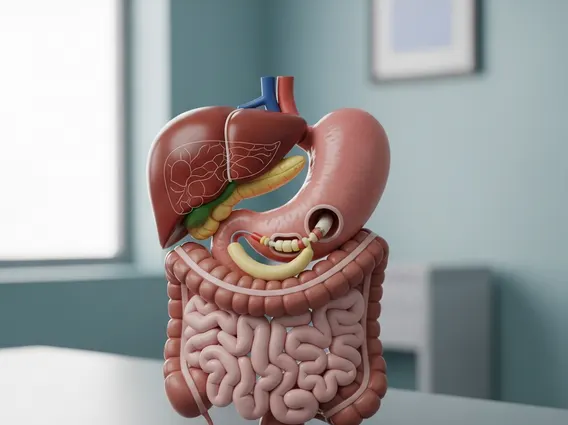
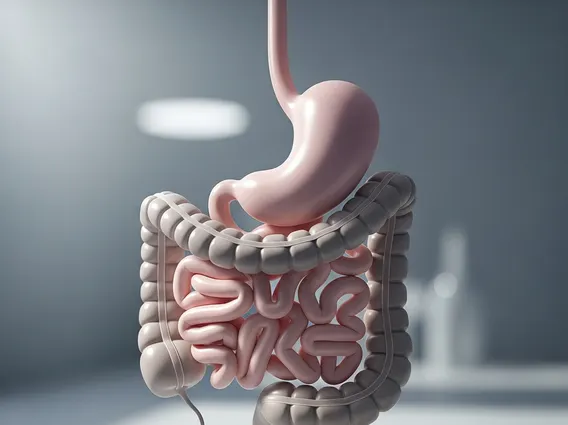
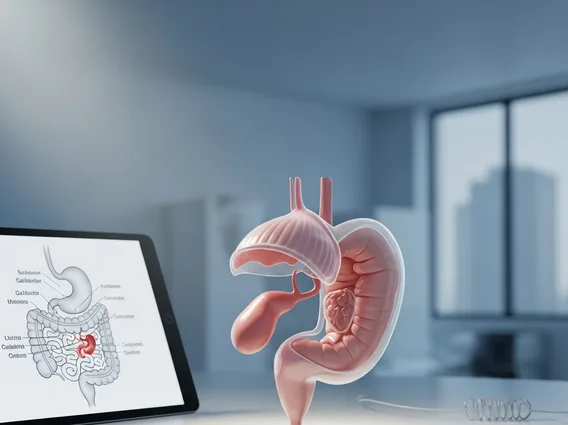
The Gallbladder is a small, pear-shaped organ situated on the upper right side of the abdomen, tucked beneath the liver. Its primary role in the digestive system is to store and concentrate bile, a greenish-yellow fluid produced by the liver. Bile is essential for digesting fats in the small intestine.
When food, particularly fatty food, enters the small intestine, the gallbladder contracts and releases concentrated bile through the bile ducts into the small intestine. This process helps emulsify fats, breaking them down into smaller particles that can be more easily absorbed by the body. Without the gallbladder, bile would continuously drip into the small intestine, potentially leading to less efficient fat digestion, especially after large, fatty meals.
Gallbladder Problems: Symptoms and Causes
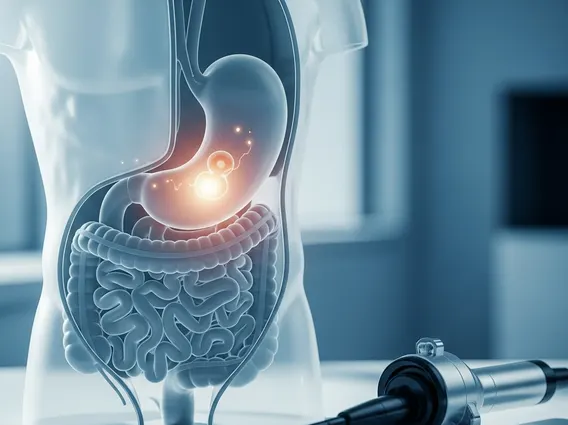
Gallbladder problems can arise from various conditions, with gallstones being the most common. Gallstones are hardened deposits of digestive fluid that can form in the gallbladder, ranging in size from a grain of sand to a golf ball. When these stones block the bile ducts, they can cause significant discomfort and lead to inflammation.
Common gallbladder pain symptoms often include sudden and rapidly intensifying pain in the upper right abdomen, which can radiate to the back or right shoulder. Other symptoms may include nausea, vomiting, fever, chills, and jaundice (yellowing of the skin or eyes) if a bile duct is severely blocked. These symptoms often occur after eating fatty meals.
Several factors contribute to gallbladder problems. These can include:
- Diet: High-fat, high-cholesterol, and low-fiber diets can increase the risk of gallstone formation.
- Obesity: Being overweight or obese is a significant risk factor.
- Rapid Weight Loss: Quick weight loss can disrupt bile chemistry and lead to gallstone formation.
- Genetics: A family history of gallstones can increase susceptibility.
- Gender and Age: Women, especially those who have been pregnant, and individuals over 40 are more prone to developing gallstones.
- Certain Medical Conditions: Diabetes, Crohn’s disease, and liver disease can also increase risk.
Gallbladder Removal Surgery and Recovery
When gallbladder problems, particularly symptomatic gallstones, become recurrent or severe, surgical removal of the gallbladder, known as a cholecystectomy, is often recommended. This is one of the most common surgical procedures performed worldwide. The body can function adequately without a gallbladder, as the liver will still produce bile, which then flows directly into the small intestine.
Most cholecystectomies are performed laparoscopically, a minimally invasive procedure involving small incisions, a camera, and specialized surgical tools. In some cases, an open cholecystectomy, which requires a larger incision, may be necessary. Understanding gallbladder removal surgery recovery is crucial for patients to manage expectations and ensure a smooth return to health.
Recovery times vary, but typically, patients can expect:
| Aspect of Recovery | Typical Timeline/Expectation |
|---|---|
| Hospital Stay | Usually 1-2 days for laparoscopic surgery; longer for open surgery. |
| Pain Management | Mild to moderate pain at incision sites, managed with prescribed pain relievers for a few days. |
| Diet | Start with clear liquids, then soft foods, gradually returning to a normal diet. Some may need to avoid high-fat foods initially. |
| Activity | Light activities can resume within a few days. Avoid heavy lifting or strenuous exercise for 2-4 weeks. |
| Return to Work | Most can return to light work within 1-2 weeks; physically demanding jobs may require longer. |
Full recovery from laparoscopic surgery typically takes about 1-2 weeks, while open surgery may require 4-6 weeks. Patients are advised to follow their surgeon’s post-operative instructions carefully, including wound care and dietary recommendations, to prevent complications and promote healing.