Frontal Sinus
The frontal sinus is one of the four pairs of paranasal sinuses, which are air-filled cavities located within the bones of the skull and face. These sinuses play a crucial role in various physiological functions, contributing to both the structure and health of the head.
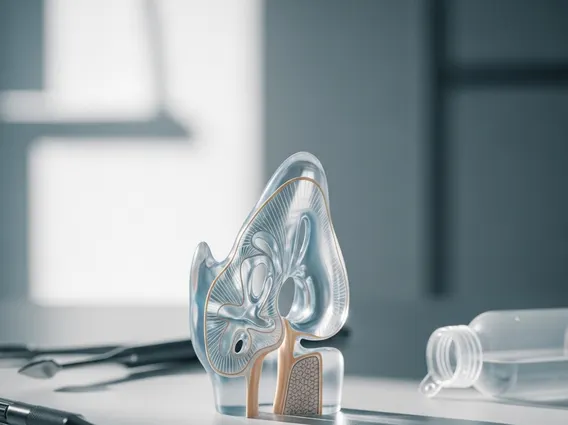
Key Takeaways
- The Frontal Sinus is an air-filled cavity located in the frontal bone, above the eyes.
- It contributes to lightening the skull, resonating the voice, and protecting the brain.
- Understanding frontal sinus anatomy explained is vital for diagnosing related conditions.
- Common issues include sinusitis, characterized by inflammation and pressure.
- Maintaining sinus health is important for overall well-being and preventing discomfort.
What is the Frontal Sinus?
The Frontal Sinus refers to a pair of air-filled cavities situated within the frontal bone, which is the bone that forms the forehead and the upper part of the eye sockets. These sinuses are lined with a mucous membrane that produces mucus, helping to humidify inhaled air and trap foreign particles. They are typically asymmetrical, varying in size and shape between individuals, and are not fully developed until late adolescence.
Frontal Sinus Anatomy, Location, and Function
The frontal sinus location and function are integral to understanding its role in the human body. Anatomically, these sinuses are positioned directly above the eyes, extending upward into the forehead. They drain into the nasal cavity via a narrow passageway known as the frontonasal duct, which opens into the middle meatus.
The primary functions of the frontal sinuses include:
- Lightening the Skull: The air-filled spaces reduce the overall weight of the skull, making the head lighter.
- Voice Resonance: They act as resonance chambers, contributing to the unique sound and tone of an individual’s voice.
- Air Humidification: The mucous lining helps to warm and humidify the air we breathe before it reaches the lungs.
- Protection: They provide a buffer against facial trauma, absorbing impact and protecting the brain.
Understanding the precise frontal sinus anatomy explained is crucial for medical professionals when diagnosing and treating conditions affecting this area. Their close proximity to the brain and eyes means that infections or inflammation can have significant implications.
Common Frontal Sinus Issues
Several common frontal sinus issues can arise, with the most prevalent being frontal sinusitis. Sinusitis is an inflammation or infection of the sinus lining, often caused by viruses, bacteria, or fungi, or triggered by allergies. When the frontonasal duct becomes blocked, mucus can accumulate, leading to pressure and pain.
Symptoms of frontal sinusitis often include:
- Pain and pressure in the forehead, especially above the eyes.
- Headache, often worse when bending forward.
- Nasal congestion and discharge, which may be discolored.
- Fever and fatigue in more severe cases.
According to the Centers for Disease Control and Prevention (CDC), sinusitis affects millions of people annually in the United States, with frontal sinusitis being a significant component of these cases. Treatment typically involves managing symptoms with pain relievers, decongestants, and sometimes antibiotics if a bacterial infection is suspected. In chronic or recurrent cases, surgical intervention may be considered to improve drainage and ventilation of the sinus.