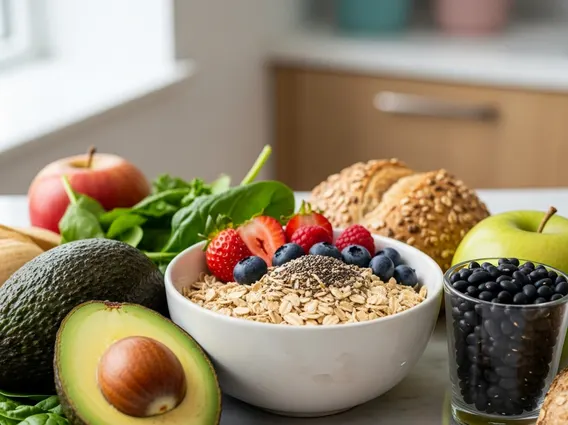
Fortified Food
Fortified Food refers to the practice of adding essential vitamins and minerals to food products to improve their nutritional value. This public health strategy aims to address and prevent nutrient deficiencies within populations.

Key Takeaways
- Fortified Food involves adding specific micronutrients like vitamins and minerals to commonly consumed foods.
- The primary purpose is to combat widespread nutrient deficiencies and enhance public health.
- Benefits include reducing deficiency-related diseases, improving maternal and child health, and boosting overall well-being.
- Common examples range from iodized salt and vitamin D-fortified milk to iron-fortified cereals.
- Food fortification is a cost-effective intervention recognized globally by health organizations.
What is Fortified Food?
Fortified Food is a category of food products that have had essential micronutrients, such as vitamins and minerals, deliberately added to them. This process, known as food fortification, is a public health intervention designed to improve the nutritional quality of the food supply and address specific nutrient deficiencies prevalent in a population. Unlike dietary supplements, which are consumed separately, fortified foods integrate these vital nutrients directly into staple items that are regularly part of people’s diets.
The objective is not to create a new food item but to enhance the nutritional profile of existing ones without significantly altering their taste, texture, or appearance. This makes it an accessible and sustainable method for delivering critical nutrients to a large number of individuals, particularly those who may not have access to a diverse diet or who have increased nutritional needs.
Purpose and Benefits of Food Fortification
The primary purpose of food fortification is to prevent or correct nutrient deficiencies within a population, thereby improving public health outcomes. This strategy is particularly effective in regions where specific micronutrient deficiencies are common due to dietary habits, limited food access, or increased physiological demands. For instance, iron deficiency anemia remains a significant global health problem, affecting an estimated 1.2 billion people worldwide, according to the World Health Organization (WHO). Fortifying staple foods with iron can significantly reduce its prevalence.
The benefits of fortified food are extensive and impact various aspects of health and development:
- Reduced Micronutrient Deficiencies: It directly addresses deficiencies like iodine deficiency (leading to goiter and cognitive impairment), vitamin A deficiency (causing vision problems and weakened immunity), and iron deficiency anemia.
- Improved Maternal and Child Health: Fortification with folic acid, for example, has been instrumental in reducing the incidence of neural tube defects in newborns. Iron and iodine fortification also support healthy fetal development and reduce maternal mortality.
- Enhanced Cognitive Function and Productivity: Adequate intake of essential nutrients, particularly iron and iodine, is crucial for cognitive development in children and maintaining mental acuity and productivity in adults.
- Cost-Effectiveness: Food fortification is often considered one of the most cost-effective public health interventions, yielding significant returns on investment by preventing disease and improving human capital.
Common Examples of Fortified Foods
Many everyday food items are examples of fortified foods, often without consumers realizing their enhanced nutritional value. These products play a crucial role in delivering essential micronutrients to the general population. The specific nutrients added vary depending on the public health needs of a region and regulatory guidelines.
Here are some common examples:
- Iodized Salt: Fortified with iodine to prevent iodine deficiency disorders, including goiter and cretinism.
- Milk and Dairy Alternatives: Often fortified with vitamin D and sometimes calcium to support bone health.
- Cereals and Grains: Breakfast cereals, flour, and bread are frequently fortified with B vitamins (like folic acid, thiamine, niacin, riboflavin) and iron to combat anemia and support neurological function.
- Margarine and Cooking Oils: Can be fortified with vitamin A and vitamin D, especially in regions where these deficiencies are prevalent.
- Plant-based Beverages: Soy milk, almond milk, and oat milk are commonly fortified with calcium, vitamin D, and vitamin B12 to match the nutritional profile of dairy milk.
These examples highlight how fortification integrates seamlessly into the food supply, making vital nutrients accessible through regular dietary patterns. Regulatory bodies, such as the FDA in the United States, set standards for fortification to ensure safety and efficacy, preventing both under- and over-fortification.