Ferritin
Ferritin is a crucial protein found inside cells that plays a vital role in storing iron, releasing it in a controlled manner when the body needs it. Understanding ferritin levels is essential for assessing the body’s iron stores and overall iron metabolism.

Key Takeaways
- Ferritin is the primary protein responsible for storing iron within cells, making it a key indicator of the body’s iron reserves.
- Normal ferritin levels vary, and deviations can signal underlying health issues related to iron deficiency or overload.
- Low ferritin often indicates iron deficiency, leading to symptoms like fatigue and weakness.
- High ferritin can be a sign of inflammation, liver disease, or iron overload conditions such as hemochromatosis.
- A ferritin test is a common diagnostic tool used to evaluate iron status and guide appropriate medical interventions.
What is Ferritin?
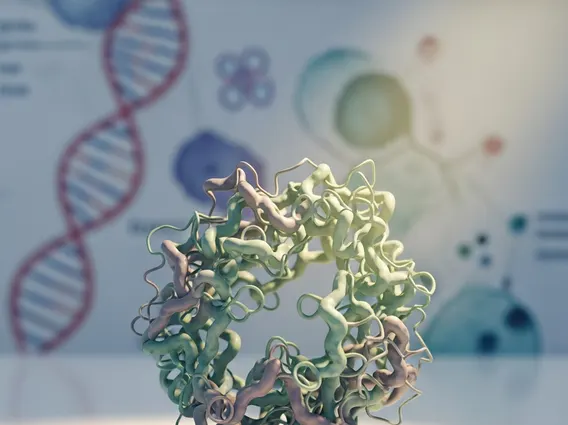
Ferritin is a globular protein complex that functions as the primary intracellular iron-storage protein in both prokaryotes and eukaryotes. It is found in most tissues, particularly in the liver, spleen, bone marrow, and skeletal muscles. Its main role is to store iron in a non-toxic form and release it in a controlled manner when the body requires it for essential functions, such as red blood cell production, oxygen transport, and cellular metabolism. A small amount of ferritin also circulates in the blood, and this serum ferritin is directly proportional to the total amount of iron stored in the body, making it a valuable diagnostic marker.
The body carefully regulates iron levels, as both too little and too much iron can be detrimental to health. Ferritin acts as a buffer against iron deficiency and iron overload, ensuring a stable supply of iron for physiological processes. When the body has sufficient iron, it is stored within ferritin molecules; when iron is needed, ferritin releases it. This intricate balance is vital for maintaining overall health and preventing various iron-related disorders.
Interpreting Ferritin Levels
Understanding Ferritin levels explained is critical for diagnosing iron-related conditions. A simple blood test measures the amount of ferritin in the serum. Normal ferritin ranges can vary based on age, sex, and the specific laboratory performing the test, but general guidelines exist. These levels provide insight into the body’s iron stores, helping clinicians determine if a person has an iron deficiency, iron overload, or an inflammatory condition.
It’s important to note that ferritin is also an acute phase reactant, meaning its levels can rise in response to inflammation, infection, or certain chronic diseases, even if iron stores are normal or low. Therefore, interpreting ferritin levels often requires considering other markers, such as C-reactive protein (CRP), transferrin saturation, and complete blood count (CBC), to get a comprehensive picture of iron status and differentiate between iron deficiency and inflammation-induced high ferritin.
| Condition | Ferritin Level Indication | Common Associated Factors |
|---|---|---|
| Low Ferritin | Below normal range | Iron deficiency, chronic blood loss, poor dietary intake, malabsorption |
| Normal Ferritin | Within typical range | Adequate iron stores |
| High Ferritin | Above normal range | Inflammation, liver disease, hemochromatosis, certain cancers |
Symptoms and Causes of Abnormal Ferritin
Abnormal ferritin levels can manifest through various symptoms, depending on whether the levels are too low or too high. Recognizing these signs is crucial for timely diagnosis and management.
Low Ferritin
Symptoms of low ferritin typically reflect iron deficiency, which can progress to iron deficiency anemia if left untreated. When ferritin stores are depleted, the body lacks sufficient iron to produce healthy red blood cells, leading to reduced oxygen transport. Common symptoms include:
- Persistent fatigue and weakness
- Pale skin
- Shortness of breath
- Dizziness or lightheadedness
- Brittle nails
- Hair loss
- Restless legs syndrome
- Pica (cravings for non-nutritive substances like ice or dirt)
The primary causes of low ferritin include inadequate dietary iron intake, chronic blood loss (e.g., heavy menstrual periods, gastrointestinal bleeding), malabsorption issues (e.g., celiac disease, inflammatory bowel disease), and increased iron requirements (e.g., during pregnancy or rapid growth in children).
High Ferritin
Elevated ferritin levels, while sometimes indicative of sufficient iron, more often point to underlying health issues. Causes of high ferritin are diverse and can include:
- Inflammation: As an acute phase reactant, ferritin levels can rise significantly during acute or chronic inflammatory conditions, infections, and autoimmune diseases.
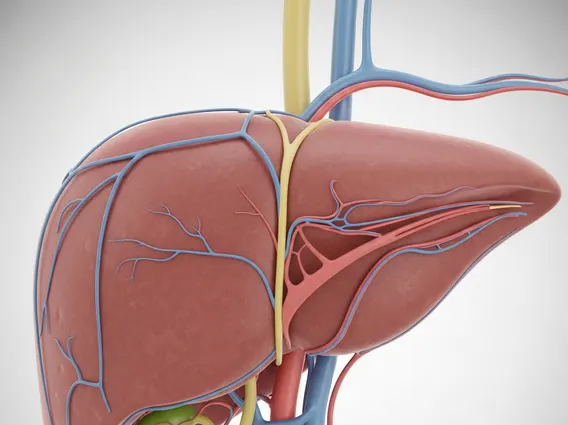
- Liver disease: Conditions like fatty liver disease, hepatitis, and cirrhosis can lead to elevated ferritin, as the liver is a major site of iron storage and metabolism.
- Hemochromatosis: This is a genetic disorder where the body absorbs too much iron from the diet, leading to iron overload in organs like the liver, heart, and pancreas.
- Alcohol abuse: Chronic excessive alcohol consumption can damage the liver and lead to increased ferritin levels.
- Certain cancers: Some malignancies, particularly lymphomas and leukemias, can cause ferritin levels to rise.
- Metabolic syndrome: Conditions like type 2 diabetes, obesity, and insulin resistance are often associated with higher ferritin.
Symptoms associated with high ferritin are often related to the underlying condition causing the elevation, such as joint pain, abdominal pain, fatigue, and heart problems in hemochromatosis, or general malaise and fever in inflammatory states. It is crucial to consult a healthcare professional for proper diagnosis and management of abnormal ferritin levels.