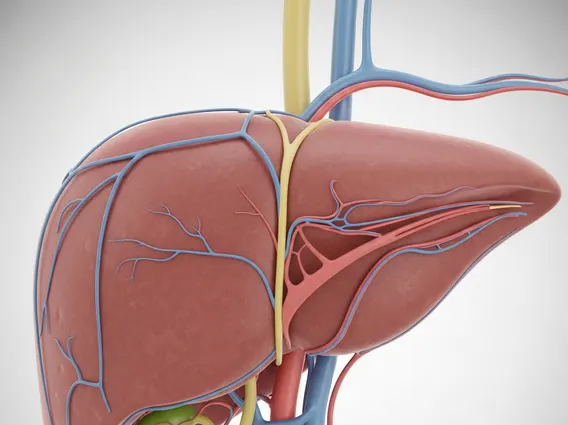
Fenofibrate
Fenofibrate is a medication primarily used to manage high cholesterol and triglyceride levels in the blood. It belongs to a class of drugs known as fibrates, which play a crucial role in preventing cardiovascular diseases associated with lipid disorders.

Key Takeaways
- Fenofibrate is a fibrate medication used to lower high triglyceride and cholesterol levels.
- It works by activating PPAR-alpha receptors, which helps break down fats and increase “good” cholesterol.
- Primary uses include treating severe hypertriglyceridemia and mixed dyslipidemia to reduce cardiovascular risk.
- Dosage is individualized, typically taken once daily with food, and requires medical supervision.
- Common side effects include digestive upset, while more serious ones can involve muscle pain or liver issues.
What is Fenofibrate and How It Works
Fenofibrate is a lipid-lowering agent prescribed to help reduce elevated levels of triglycerides and low-density lipoprotein (LDL) cholesterol, often referred to as “bad” cholesterol, while simultaneously increasing high-density lipoprotein (HDL) cholesterol, or “good” cholesterol. This medication is particularly effective in patients with severe hypertriglyceridemia, a condition characterized by dangerously high triglyceride levels that can lead to pancreatitis.
The mechanism of action for how fenofibrate work involves its role as an agonist for peroxisome proliferator-activated receptor alpha (PPAR-alpha). By activating PPAR-alpha, fenofibrate influences the expression of genes involved in lipid metabolism. This activation leads to several beneficial effects:
- Increased breakdown of triglycerides: It enhances the activity of lipoprotein lipase, an enzyme responsible for breaking down triglycerides in the blood.
- Reduced production of very low-density lipoprotein (VLDL): Fenofibrate decreases the liver’s production of VLDL particles, which are precursors to LDL cholesterol and a major source of triglycerides.
- Increased HDL cholesterol levels: It promotes the synthesis of apolipoproteins A-I and A-II, key components of HDL particles, thereby raising HDL levels.
These actions collectively contribute to a more favorable lipid profile, reducing the risk of complications associated with dyslipidemia.
Fenofibrate Uses and Benefits
Fenofibrate is primarily used for the management of various lipid disorders. Specifically, what is fenofibrate used for includes treating severe hypertriglyceridemia, which is defined by triglyceride levels often exceeding 500 mg/dL, to prevent acute pancreatitis. It is also indicated for the treatment of primary hypercholesterolemia and mixed dyslipidemia, where it helps to lower LDL-C, total cholesterol, and triglycerides, and increase HDL-C.
The primary fenofibrate benefits extend beyond just improving lipid numbers. By effectively managing these lipid imbalances, fenofibrate plays a significant role in reducing the overall risk of cardiovascular disease. For instance, according to the Centers for Disease Control and Prevention (CDC), nearly 1 in 3 American adults has high LDL cholesterol, a major risk factor for heart disease and stroke. Fenofibrate contributes to a comprehensive strategy for cardiovascular risk reduction, especially in patients who also have elevated triglycerides.
Furthermore, fenofibrate can be beneficial for individuals with type 2 diabetes who often experience dyslipidemia characterized by high triglycerides and low HDL cholesterol. Its ability to normalize these lipid parameters can help mitigate the heightened cardiovascular risk associated with diabetes.
Fenofibrate Dosage and Side Effects
Regarding fenofibrate dosage information, it is crucial that the medication is prescribed and monitored by a healthcare professional, as dosage varies based on the patient’s specific condition, lipid levels, and response to treatment. Fenofibrate is typically taken once daily, often with a meal to enhance absorption. Available in various strengths and formulations, such as micronized and non-micronized forms, the choice depends on individual patient needs and physician recommendations. Adherence to the prescribed dosage and regular follow-up appointments are essential to ensure efficacy and monitor for potential adverse effects.
Like all medications, fenofibrate can cause fenofibrate side effects. While many individuals tolerate the drug well, some may experience adverse reactions. Common side effects often include:
- Gastrointestinal disturbances (e.g., nausea, abdominal pain, constipation, diarrhea)
- Headache
- Back pain
- Nasal inflammation
More serious, though less common, side effects can include muscle pain, tenderness, or weakness (which could indicate myopathy or rhabdomyolysis), liver enzyme elevations, and gallstones. Patients should report any unusual symptoms to their doctor immediately. Regular blood tests are typically required to monitor liver function and lipid levels during treatment with fenofibrate to ensure safety and effectiveness.