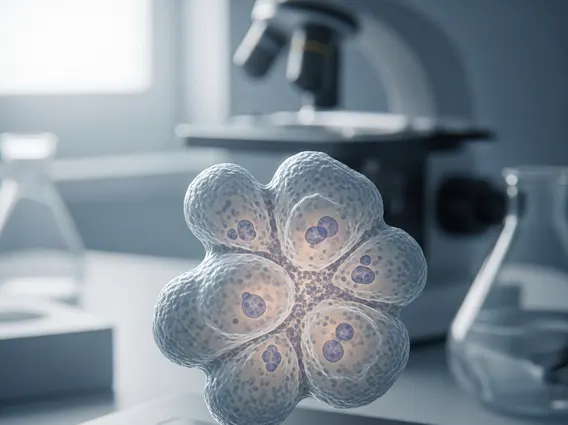
Ethyol
Ethyol, also known by its generic name amifostine, is a medication primarily used in oncology to protect healthy cells from the damaging effects of certain cancer treatments. This cytoprotective agent plays a crucial role in managing treatment-related toxicities, enhancing patient tolerability and treatment adherence.

Key Takeaways
- Ethyol (amifostine) is a cytoprotective drug reducing toxicity from chemotherapy and radiation therapy.
- It selectively protects healthy tissues by scavenging free radicals and aiding DNA repair, without compromising cancer treatment efficacy.
- Administered intravenously before treatment, Ethyol mitigates side effects like xerostomia and nephrotoxicity.
- Common side effects include transient hypotension, nausea, vomiting, and flushing.
- Benefits include improved patient quality of life and enabling completion of full cancer treatment courses.
What is Ethyol? Uses and Mechanism of Action
Ethyol, generically known as amifostine, is a cytoprotective agent designed to reduce the harmful side effects of specific cancer treatments on healthy cells. It allows therapeutic agents to continue targeting cancerous cells effectively, a vital aspect for patients undergoing aggressive therapies.
Ethyol is primarily used to mitigate toxicities from certain cancer treatments. Its main applications include reducing xerostomia (dry mouth) in patients receiving radiation therapy for head and neck cancer, and decreasing cumulative renal toxicity from cisplatin chemotherapy in patients with advanced ovarian cancer or non-small cell lung cancer. By protecting normal tissues, Ethyol helps patients better tolerate their treatment regimens.
Its mechanism of action involves conversion by alkaline phosphatase in normal tissues into an active free thiol metabolite. This metabolite acts as a free radical scavenger, neutralizing reactive oxygen species generated by radiation and certain chemotherapeutic agents. It also binds to and detoxifies reactive metabolites of chemotherapy drugs and facilitates DNA repair in healthy cells. Tumor cells typically have lower alkaline phosphatase activity, leading to selective protection of normal tissues without reducing the anti-tumor effects of cancer therapy.
Ethyol Drug Information, Side Effects, and Benefits
Comprehensive Ethyol drug information is crucial for its safe and effective use. Ethyol is administered intravenously, typically as a short infusion, 15 to 30 minutes before chemotherapy or radiation. Dosage and schedule are determined by the physician based on the specific cancer treatment and patient condition. Close monitoring of blood pressure is crucial during and immediately after infusion due to potential transient hypotension. Patients are often pre-medicated with antiemetics to manage potential nausea and vomiting.
While providing significant protective benefits, Ethyol can cause side effects. Understanding Ethyol side effects and benefits helps manage patient expectations and outcomes. Common side effects include:
- Transient hypotension: A temporary drop in blood pressure, often managed by slowing infusion or administering fluids.
- Nausea and vomiting: Often mitigated with prophylactic antiemetic medication.
- Flushing: A sensation of warmth and redness, particularly in the face and neck.
- Drowsiness or dizziness: Patients should avoid driving or operating heavy machinery until they know their reaction.
- Allergic reactions: Rare but require immediate medical attention.
Despite these potential side effects, Ethyol offers substantial benefits. By reducing the severity of treatment-induced toxicities, it significantly improves a patient’s quality of life during cancer treatment. It allows patients to receive and complete prescribed doses of chemotherapy and radiation, which is critical for optimal therapeutic outcomes. For example, preventing severe xerostomia preserves a patient’s ability to eat, speak, and maintain oral hygiene, while preventing nephrotoxicity protects vital kidney function.